All Nikon 80-200 and 70-200mm f/2.8 Lenses Compared
Introduction Basics, AF & Ergonomics Optics & Mechanics Distortion Details & Timeline
This free website's biggest source of support is when you use any of these links when you get anything, regardless of the country in which you live. Thank you! Ken.
April 2026 Nikon Reviews Nikon Lenses All Reviews
Introduction top
Nikon has made about a dozen different f/2.8 tele zooms. Click any below to get to their detailed reviews.
Every pro used to have at least one of these. Today with digital I prefer 100-400mm lenses over these 70-200mm; I don't need f/2.8 on digital and I really do love the 200-400mm added range.
Since these have been so popular with pros, its limitations have been what set the limits of performance of the Nikon system. Therefore Nikon redesigns it about every five years to stay competitive.
All of these use ED glass and have supreme image quality. Most of the AF lenses take standard 77mm filters.
Thank goodness the zoom rings all turn in the same direction.
See Nikon Lens Compatibility for details of which will work with your camera.

Basics, Autofocus & Ergonomics top
Lens |
Dates |
Zoom |
AF Speed |
AF Lock or Fn Buttons |
AF/MF Switch |
VR Switch |
Focus Limiter |
Tripod Collar |
Number Made |
AI 80-200mm f/2.8 ED (prototype) |
1978 |
Ring |
none |
none |
n/a |
n/a |
none |
comes off |
prototype only |
|
1982-1988 |
Push-pull |
none |
none |
n/a |
n/a |
Friction
clutch on focus/zoom ring |
fixed |
1,600 |
|
1988-1992 |
Push-pull |
slow |
none |
clunky rotating atrocity |
n/a |
Ring, Full |
none |
175,000 |
|
1993-1997 |
Push-pull |
slow |
none |
clunky rotating atrocity |
n/a |
slide switch |
none |
170,000 |
|
1997- 2020 |
Ring |
fast |
none |
clunky rotating atrocity |
n/a |
slide switch |
not removable |
325,000 |
Lens |
Dates |
Zoom |
AF Speed |
AF Lock or Fn Buttons |
AF/MF Switch |
VR Switch |
Focus Limiter |
Tripod Collar |
Number Made |
|
1999-2004 |
Ring |
fast |
3 |
yes |
n/a |
Electronic switch: Full or 2.5m-∞ |
comes off completely |
65,000 |
|
2003- 2009 |
Ring |
fast |
3 |
yes |
yes |
Electronic switch: Full or 2.5m-∞ |
Foot comes off |
275,000 |
|
2009- 2016 |
Ring |
fast |
none |
yes |
yes |
Electronic switch: Full or 5m-∞ |
Foot comes off |
490,000 |
|
2012- c. 2024 |
Ring |
fast |
none |
yes |
yes |
Electronic switch: Full or 3m-∞ |
90,000 |
|
Lens |
Dates |
Zoom |
AF Speed |
AF Lock or Fn Buttons |
AF/MF Switch |
VR Switch |
Focus Limiter |
Tripod Collar |
Number Made |
|
2016- today |
Ring |
fast |
FOUR ! |
yes |
yes |
Electronic switch: Full or 5m-∞ |
Foot comes off |
160,000 still in production |
|
2020- today |
Ring |
slow |
FOUR + ONE!
|
yes |
NO! |
Electronic switch: Full or 5m-∞ |
Foot comes off |
150,000 still in production |
|
2023- today |
Ring |
fast |
none |
NO! |
n/a |
none |
none needed |
17,000 still in production |
|
2026- today |
Ring |
fast |
FOUR + TWO! |
yes |
NO! |
Electronic switch: Full or 5m-∞ |
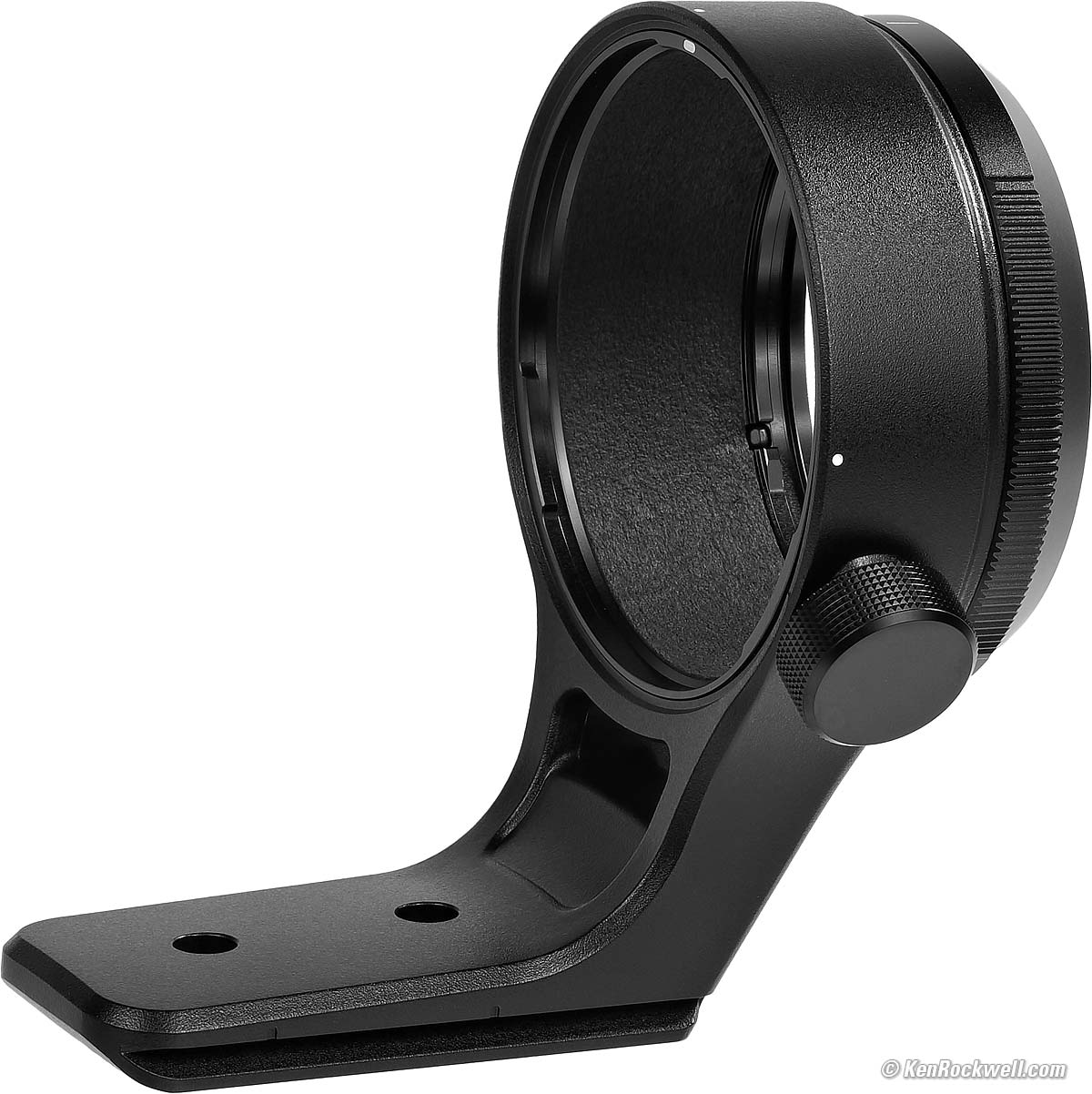
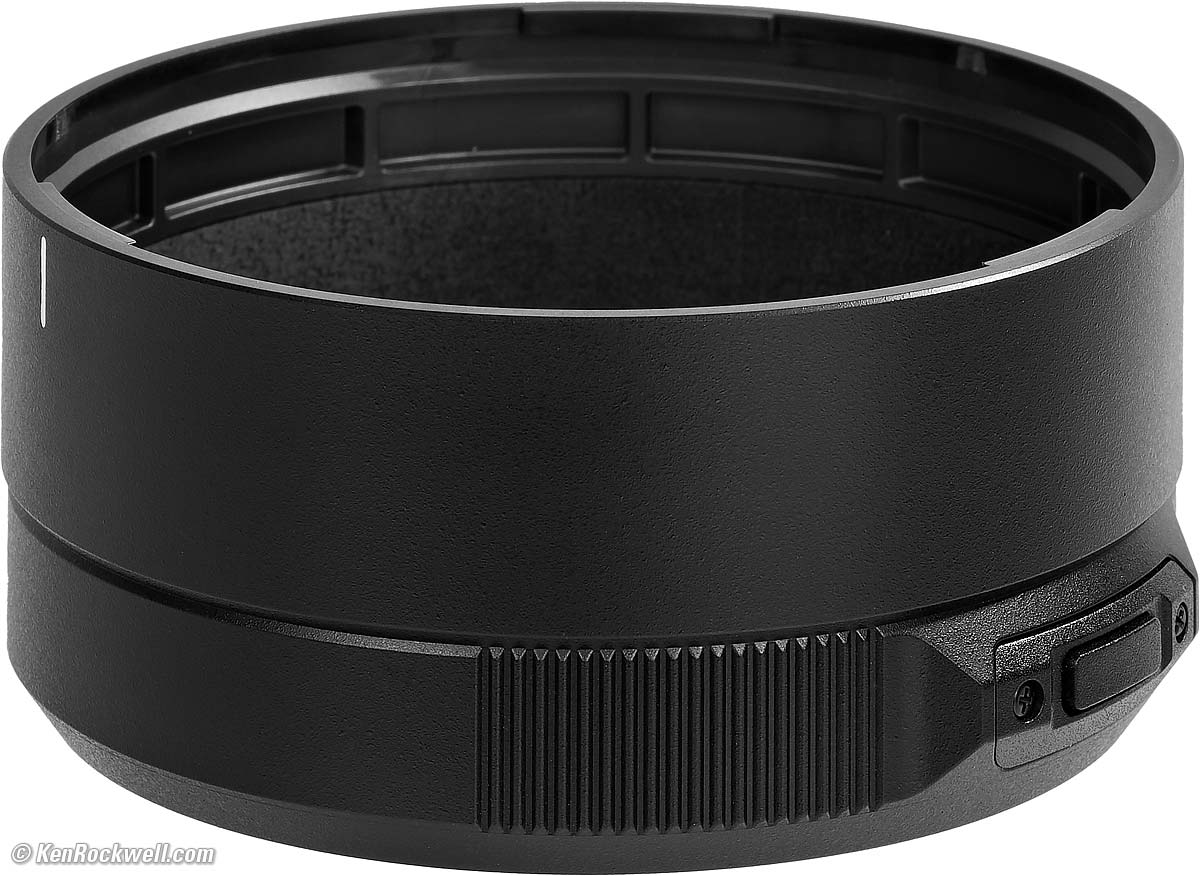
completely removable, and for the very first time includes a Polyprophylactic Sleeve to cover the lens' nubs when the collar is removed! |
new |
Optics & Mechanics top
Lens |
Dates |
Optics |
Diaphragm Blades |
Close Focus |
Max Repro |
f/min |
Filter |
Length |
Weight* |
AI 80-200mm f/2.8 ED (prototype) |
1978 |
12/9 |
8.2' 2.5m |
1:11? |
f/32 |
86mm |
196mm |
1,700g |
|
|
1982-1988 |
15/11 |
9 |
8.2' 2.5m |
1:11? |
f/32 |
95mm |
223mm |
1,900g |
|
1988-1992 |
16/11 |
9 |
5' 1.5m |
1:5.9 |
f/22 |
77mm |
176mm |
1,270g |
|
1993-1997 |
16/11 |
9 |
5' 1.5m |
1:5.9 |
f/22 |
77mm |
187mm |
1,300g |
|
1997- 2020 |
16/11 |
9 |
5' 1.5m |
1:5.9 |
f/22 |
77mm |
188mm |
1,275g |
Lens |
Dates |
Optics |
Diaphragm Blades |
Close Focus |
Max Repro Ratio |
f/min |
Filter |
Length |
Weight |
|
1999-2004 |
18/14 |
9 |
5' 1.5m |
1:6.3 |
f/22 |
77mm |
207mm |
1,550g 1,470g w/o collar |
|
2003- 2009 |
21/15 5 ED |
9 |
5' 1.5m |
1:5.6 |
f/22 |
77mm |
215mm |
1,468g |
|
2009- 2016 |
21/16 7 ED |
9 |
4.6' 1.4m |
1:8.3 |
f/22 |
77mm |
205.5mm |
1,532g 1,452g w/o foot. |
|
2012- c. 2024 |
20/14 1 HRI 3 ED |
9 |
3.3' 1m |
1:3.65 |
f/32 |
67mm plastic |
178.5mm |
846g w/o foot |
Lens |
Dates |
Optics |
Diaphragm Blades |
Close Focus |
Max Repro Ratio |
f/min |
Filter |
Length |
Weight |
|
2016- today |
22/18 1 Fluorite 1 HRI 6 ED |
9 |
3.6' 1.1m |
1:4.76 |
f/22 |
77mm metal |
202.5mm |
1,425 g with collar |
|
2020- today |
21/18 1 Fluorite 1 SR 6 ED |
9 |
1.6'/0.5m @ 70mm 3.3'/1m @ 200mm |
1:5 |
f/22 |
77mm |
220mm |
1,440 g with collar |
|
2023- today |
19/18 1 Super ED 5 ED |
9 |
0.9'/0.27m @ 70mm 2¾'/0.85m @ 180mm |
1:2.1 !!! |
f/22 |
67mm |
151mm |
795 g !!! |
|
2026- today |
18/16 1 Fluorite 1 SR 2 Aspherical 1 Aspherical ED 1 Super ED 1 ED |
11 |
1.25'/0.38m @ 70mm 2⅔'/0.8m @ 200mm |
1:3.3 |
f/22 |
77mm |
208mm |
41.5 oz./1,177g with tripod collar 36.2 oz. / 1,025g w/ prophylactic ring |
* actual measured weight.
Distortion top
Lens |
Dates |
Distortion at short end |
Distortion at 200mm |
AI 80-200mm f/2.8 ED (prototype) |
1978 |
||
|
1982-1988 |
||
|
1988-1992 |
||
|
1993-1997 |
||
|
1997- 2020 |
||
Lens |
Dates |
||
|
1999-2004 |
||
|
2003- 2009 |
||
|
2009- 2016 |
||
|
2012- c. 2024 |
||
Lens |
|||
|
2016- today |
||
|
2020- today |
||
|
2023- today |
||
|
2026- today |
* With non-defeatable distortion correction ON.
Details & Timeline top
1978
Nikon showed its prototype of the world's first 80-200mm f/2.8 lens, with exotic ED glass.
It was never sold or seen again.
It took an 86mm filter, as did the 18mm f/4 of its day.
1982 - 1988 top

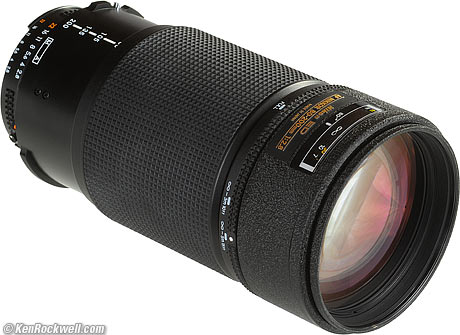
Nikon AI-s 80-200mm f/2.8 ED. enlarge.
Nikon offered the world's first production manual-focus AI-s 80-200mm f/2.8 ED, the world's fastest zoom for a 35mm camera. It takes a huge 95mm filter, and weighs over 4 pounds (1.9kg)! It takes the HN-25 screw-in spun anodized aluminum hood.
The tripod collar rotates but doesn't come off. There is also a clutch lock on the focus/zoom ring to lock the lens at any combination of focus and zoom. It's Nikon's only production f/2.8 zoom that stops down to f/32.
Nikon sold very few of these because it cost four times as much, and weighed over twice as much, as the 80-200mm f/4 AI-s. Another very significant reason you probably will never see one of these is that the 80-200mm f/4 was just as sharp, and focused twice as close.
The 80-200mm f/2.8 ED AI-s is an extraordinary lens, but the 80-200mm f/4 was far more practical.
In January of 1987, B&H Photo Video advertised it for $2,350, which is over $4,500 in 2008 corrected for inflation. For you collectors, the 58mm f/1.2 Noct, which sells today among collectors for over $3,000 used, sold for only $830 new. Nikon sold over 10,000 of the relatively common (among collectors) Noct-NIKKOR, but made less than 1,600 of these.
Don't worry, you don't want one of these beasts. They only focus to 8.2 feet (2.5m)!
1988 - 1992 top
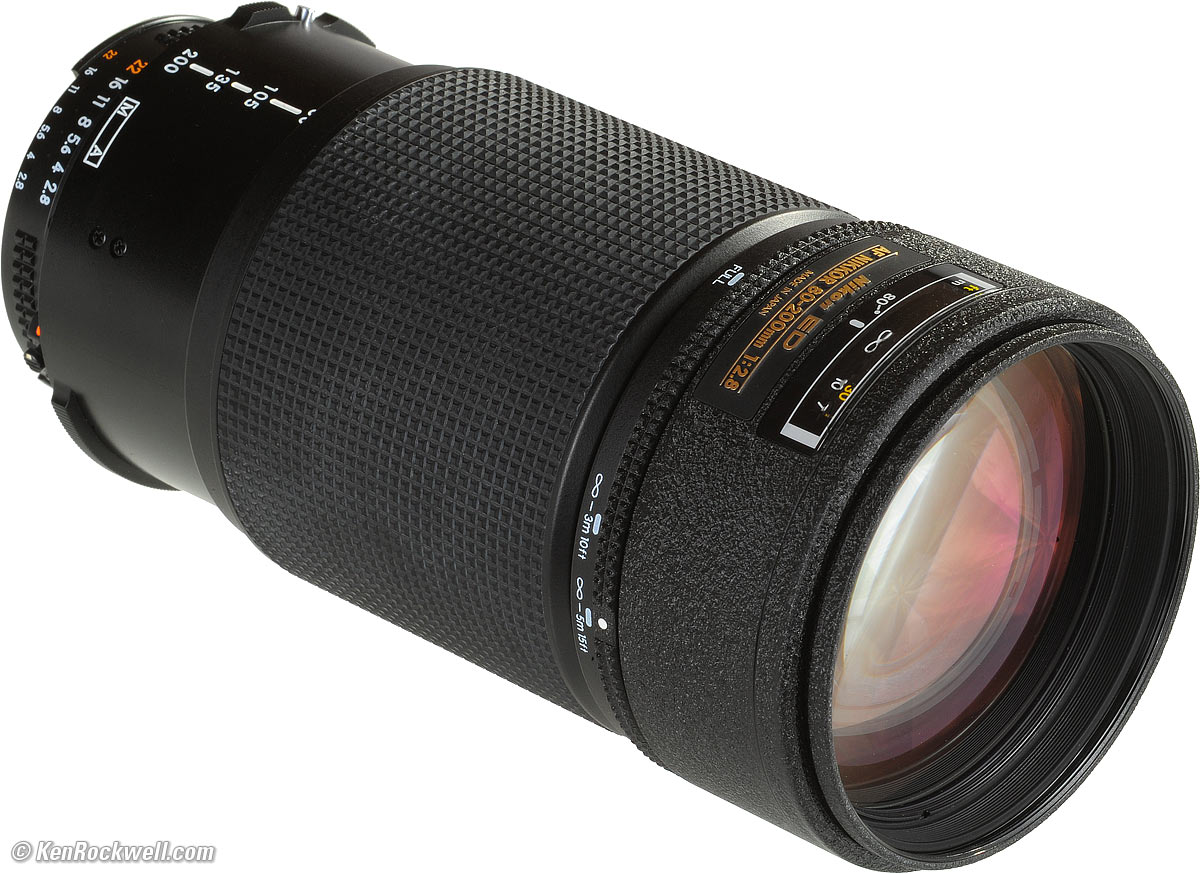
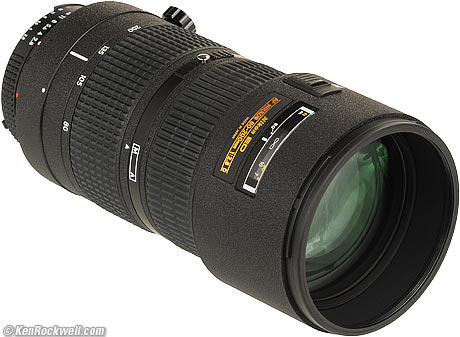
Nikon 80-200mm f/2.8 ED AF. enlarge.
Nikon introduced its first autofocus pro zoom, the 80-200mm f/2.8 ED AF. You can identify this version by its big multi-position focus-limiter ring. It takes the HN-28 screw-in metal crinkle-coat hood.
It is optically excellent, but autofocus is slow. This lens and the F4 of its time just couldn't focus anywhere near as fast as the Canon EOS system, so sports pros went to Canon and have only started coming back in 2007 with the new D3.
The last few of these to leave the production line were updated to "D," as seen on their identity plates.
1993 - 1997 top
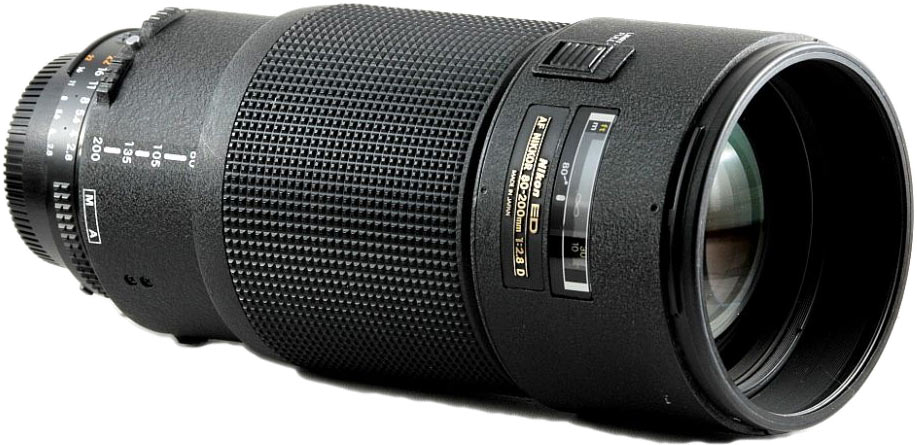
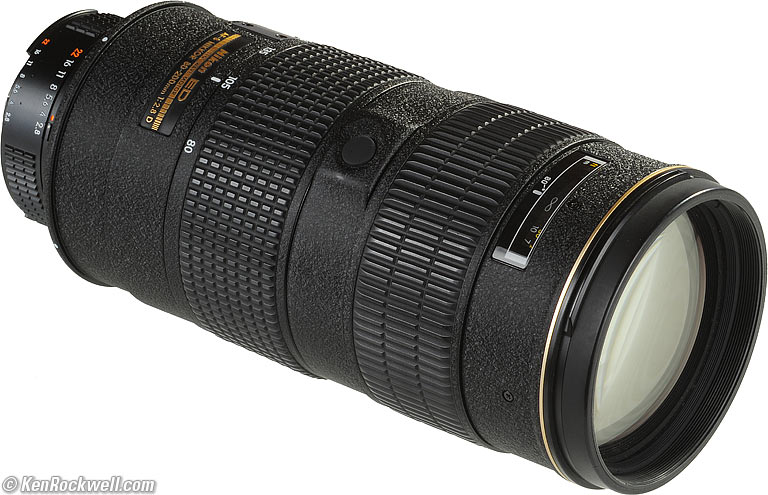
Nikon 80-200mm f/2.8 D. enlarge.
Nikon updated the mechanics and added the "D" feature, which like all modern Nikon lenses couples the focus distance to the camera for even better 3-D Matrix metering. It is especially effective for use with flash. The N90 was the first camera to use this distance information, and all Nikons use it today. It takes the HB-7 bayonet hood.
It looks the same as the original AF version above, differing only that:
1.) The aft barrel (the rear part with the focal length markings) is crinkle-coat instead of smooth.
2.) The multi-position focus limiter ring is replaced with a simpler and easier to use Limit/Full slide switch. Many of these switches fell off, leaving a hole in the lens which otherwise works swell throughout the entire focus range.
3.) The forebarrel is extended so the overall length is longer, and filters now screw into the fixed, extended front barrel. With the original AF lens, the front group and filter ring rotated and extended as focused. With this first AF-D lens, the filter stays put while the front group wiggles around inside the lens barrel.
4.) Says 1:2.8D on the identity plate instead of just 1:2.8.
This lens was Nikon product number 1985 NAS.
1997 - 2020 top
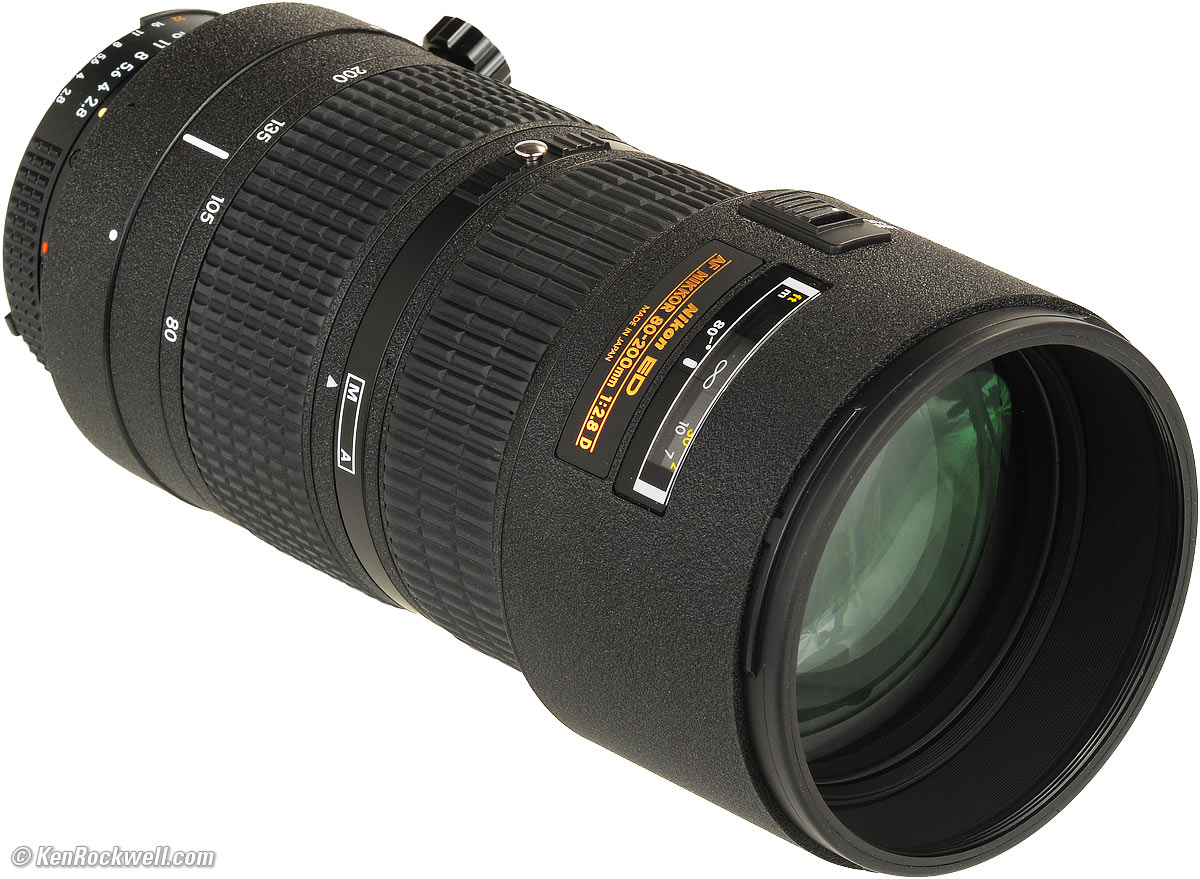
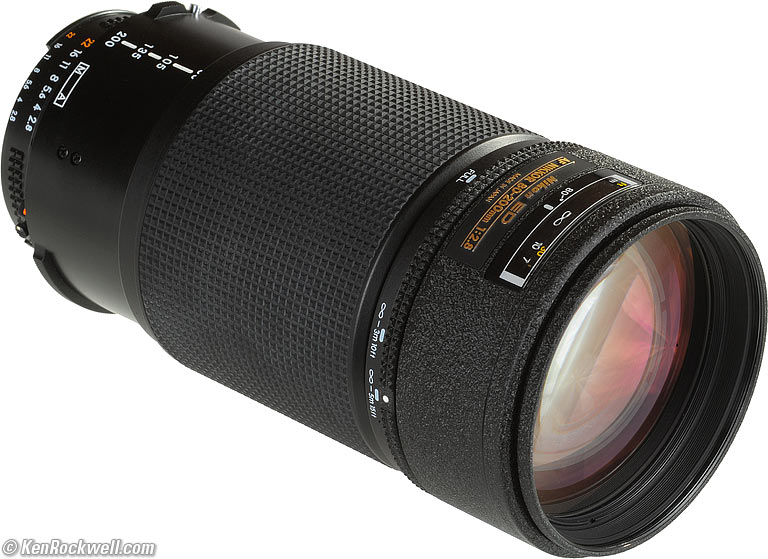
Nikon 80-200mm f/2.8 ED AF-D (New).
In this new AF-D version, Nikon added:
1.) Much faster autofocusing.
2.) A built-in, non-removable tripod collar.
3.) Zoom is now a separate ring instead of push-pull combined with focus as every previous production lens has been.
The optics are still the same as the excellent original AF version of 1988, and used the same HB-7 bayonet hood as the previous D version.
Unless you want VR or shoot a D40, D40x, D60 or D5000, everyone ought to have one of these, since you can buy them brand-new for only about $1,100.
1999 - 2004 top
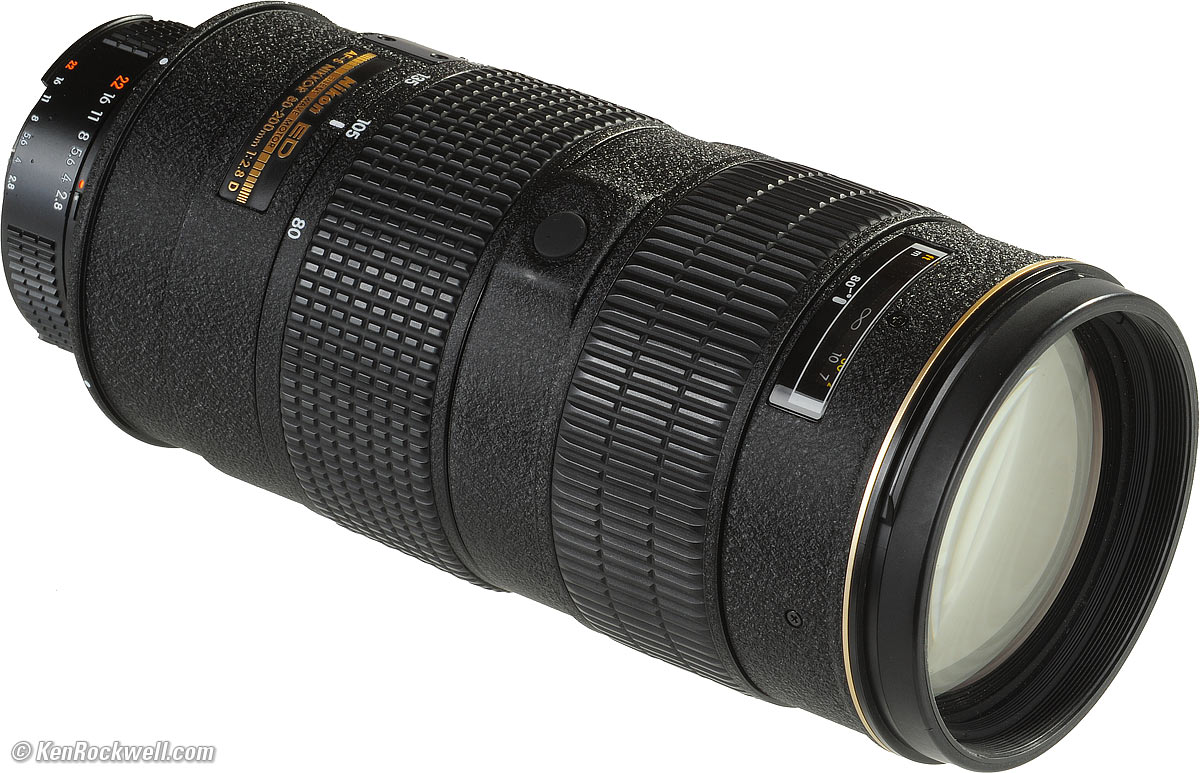
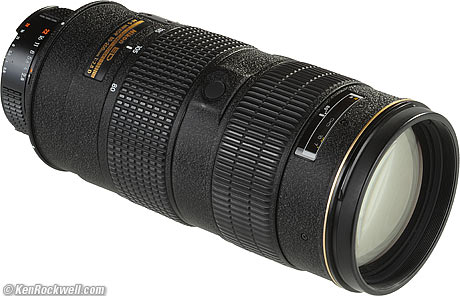
Nikon 80-200mm ED-IF AF-S (tripod collar removed). enlarge.
Nikon completely redid the optics and added an internal AF motor in this AF-S version. It sold for $1,500 when new. As an AF-S lens, it works great on even the D40, D40x, D60 and D5000, since it has an aperture ring, all manual focus Nikons made since 1977, and all of them back to 1959 if you have a coupling prong added. It takes the HB-17 plastic bayonet hood.
Nikon also added focus lock buttons, which are a huge convenience.
It has a removable tripod collar, which most people remove for hand-holding as shown above.
2003 - 2009 top
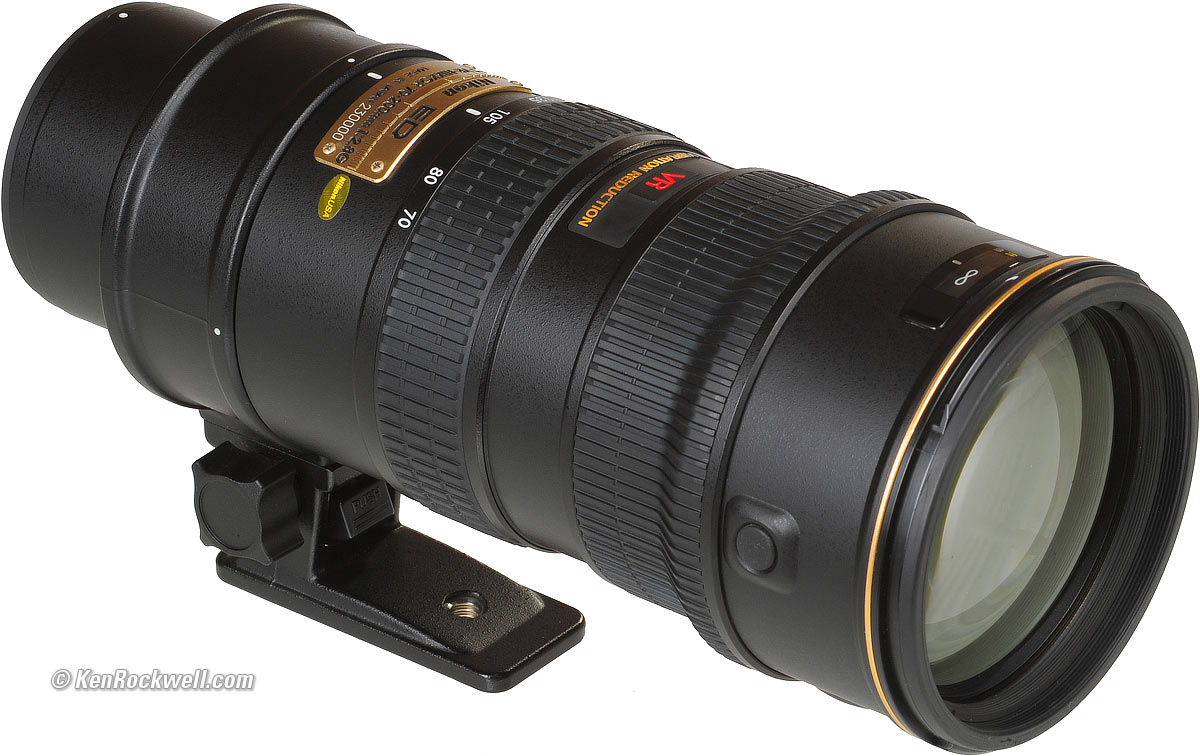
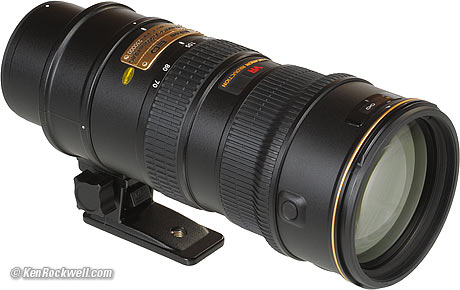
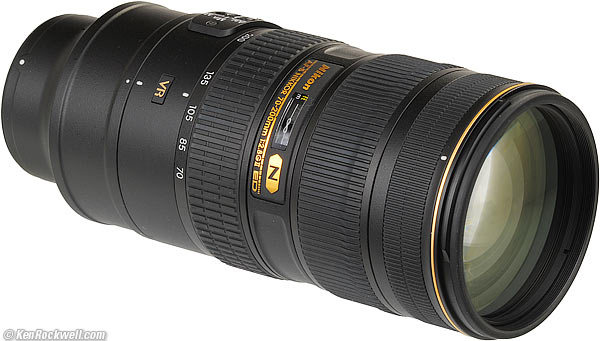
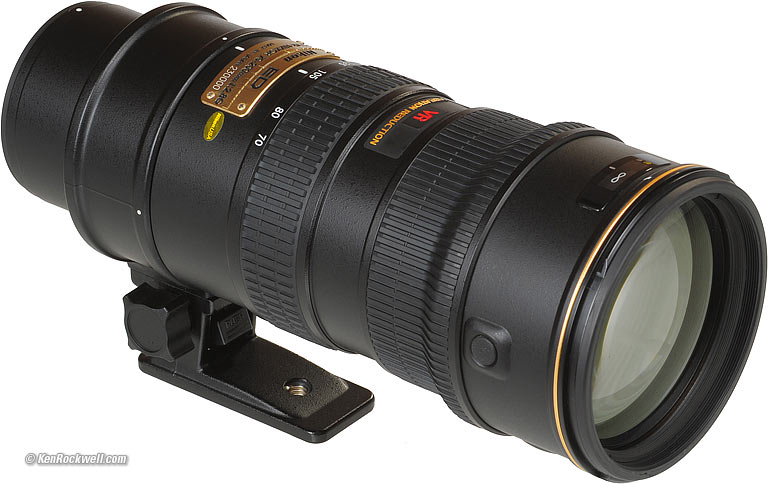
Nikon 70-200mm f/2.8 ED IF VR G AF-S. enlarge.
Another completely new design, this 70-200mm lens adds:
1.) Slightly expanded zoom range to 70mm.
2.) Image Stabilization (VR) for sharp hand-held shots in dimmer light.
Nikon gelded (removed) the aperture ring to save money, which renders this lens useless with manual-focus cameras. That's the "G" in the model name, and it's a handicap, not a feature.
Its only vice is that the corners are never super-duper sharp for landscape photographers at the 200mm end, but these lenses have always been for sports, low light and portraits, not tripods.
It takes the HB-29 plastic bayonet hood.
2009 - 2016 top
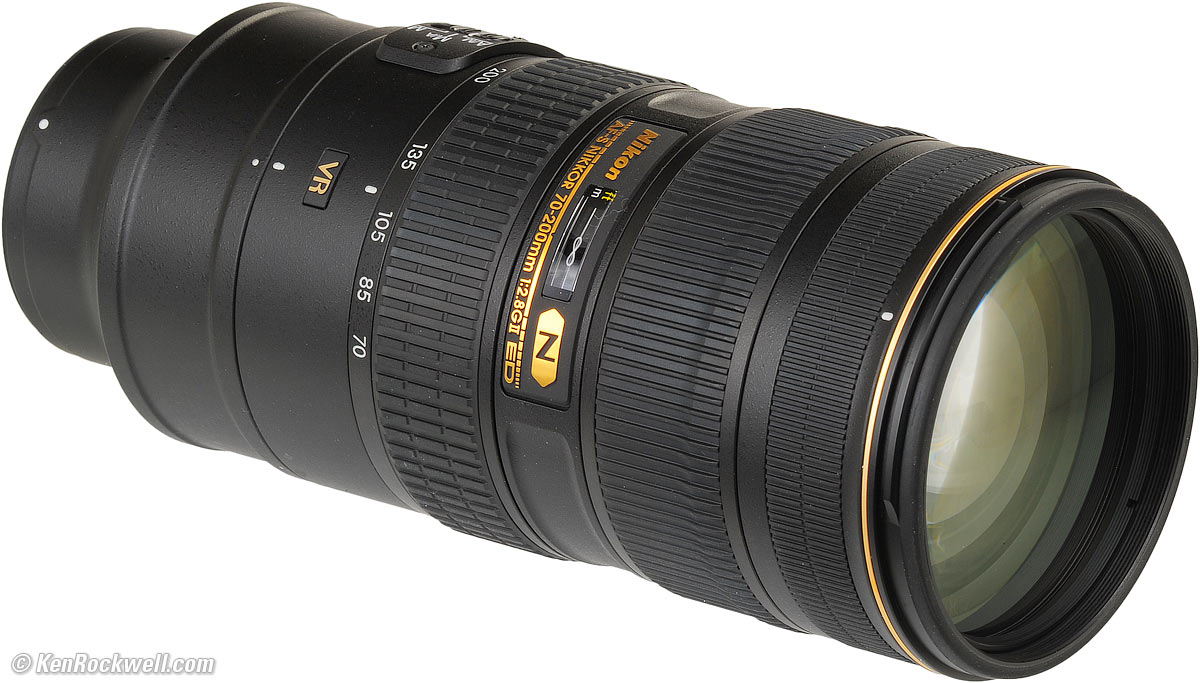
Nikon 70-200mm f/2.8 ED IF VR II AF-S. enlarge.
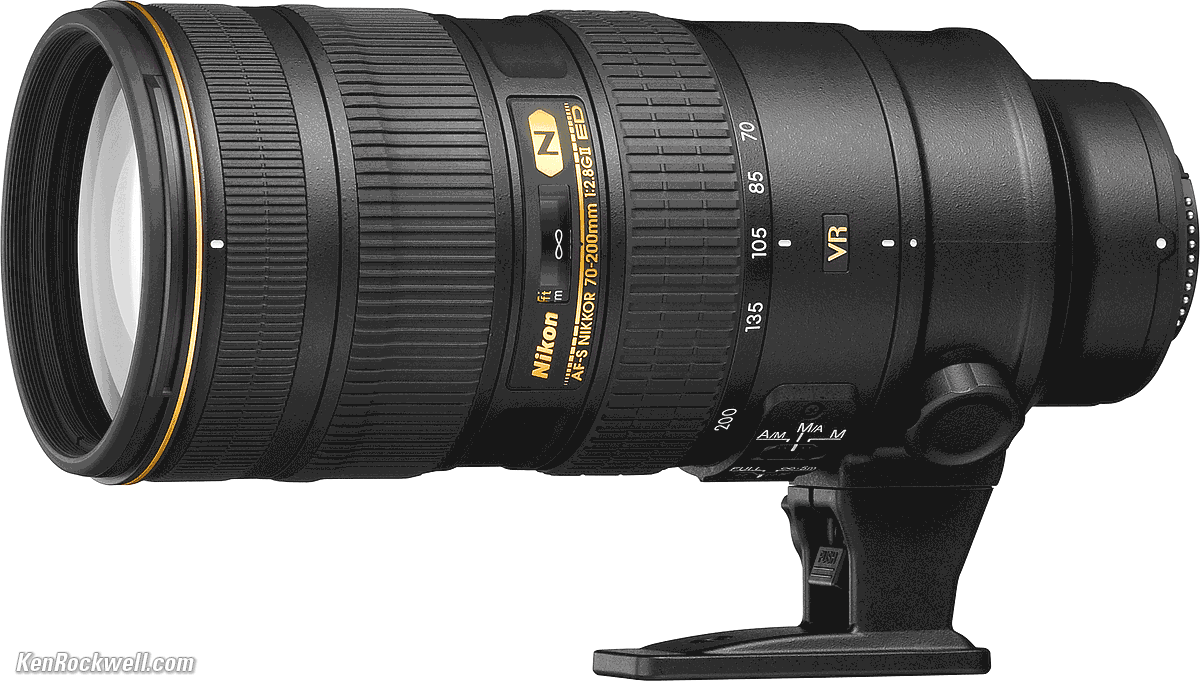
Another completely new design, this 70-200mm lens adds slightly closer focus and Nano-Crystal coating as it's gee-whiz features.
What's really important is that the corners are now as super-sharp as all the other lenses, not slightly duller as was the previous VR lens at 200mm.
I can't see any AF Lock buttons at the front, but I do see a ribbed plastic ring. I don't know if Nikon took that critical feature out, or got clever and made that entire ring a touch-strip for AF lock.
Image Stabilization (VR) is spiffed up, now claiming 4 stops, instead of 3 stops, improvement.
2012 - c. 2024 top
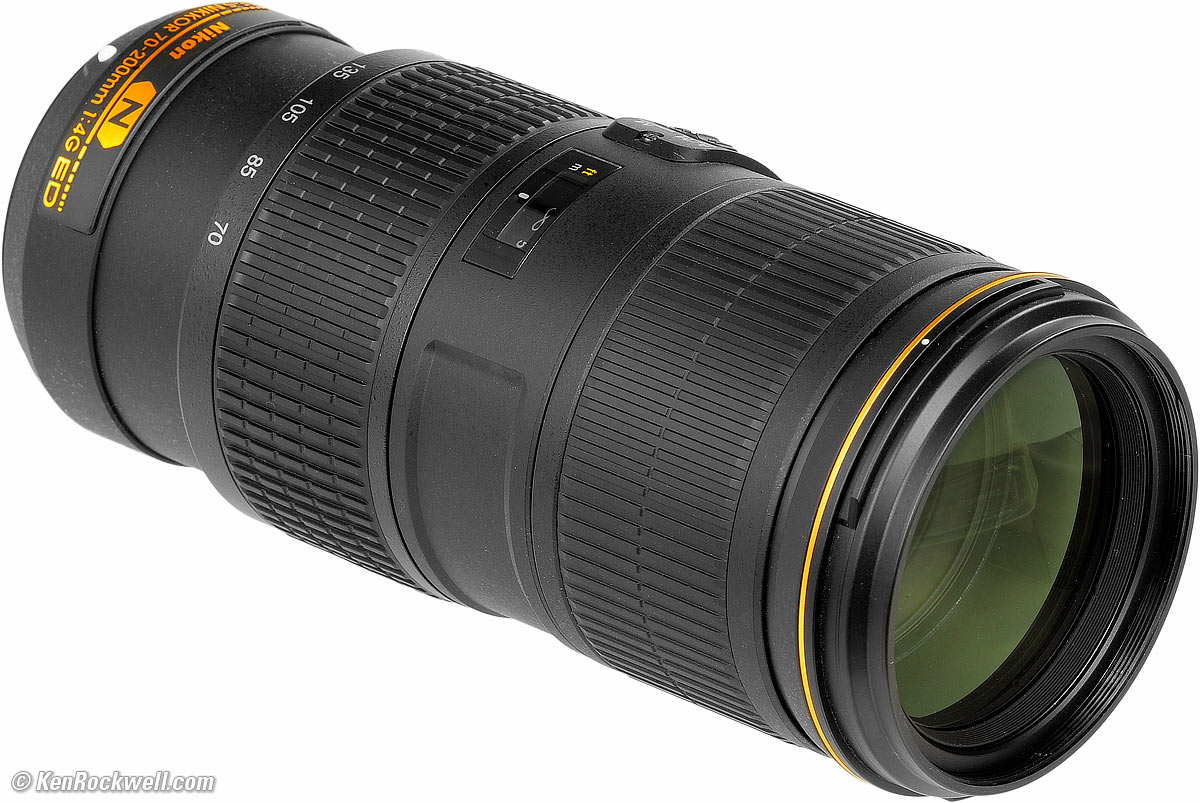
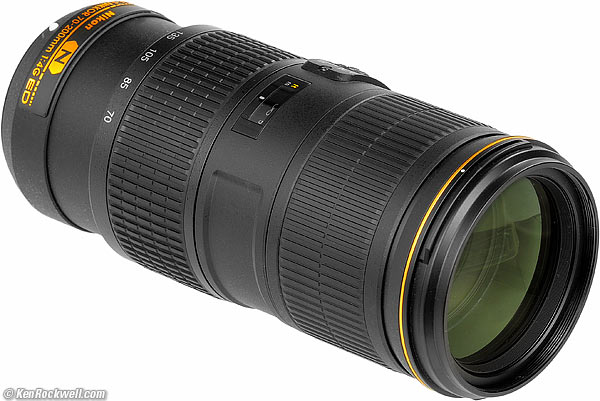
Nikon 70-200mm f/4 VR.
Nikon's first pro-level f/4 tele zoom was announced in late 2012. It has the highest rated MTF of any Nikon tele zoom, and performs spectacularly — at a fraction of the size, weight and price of the 70-200mm f/2.8 ED IF VR II.
2016 - Today top
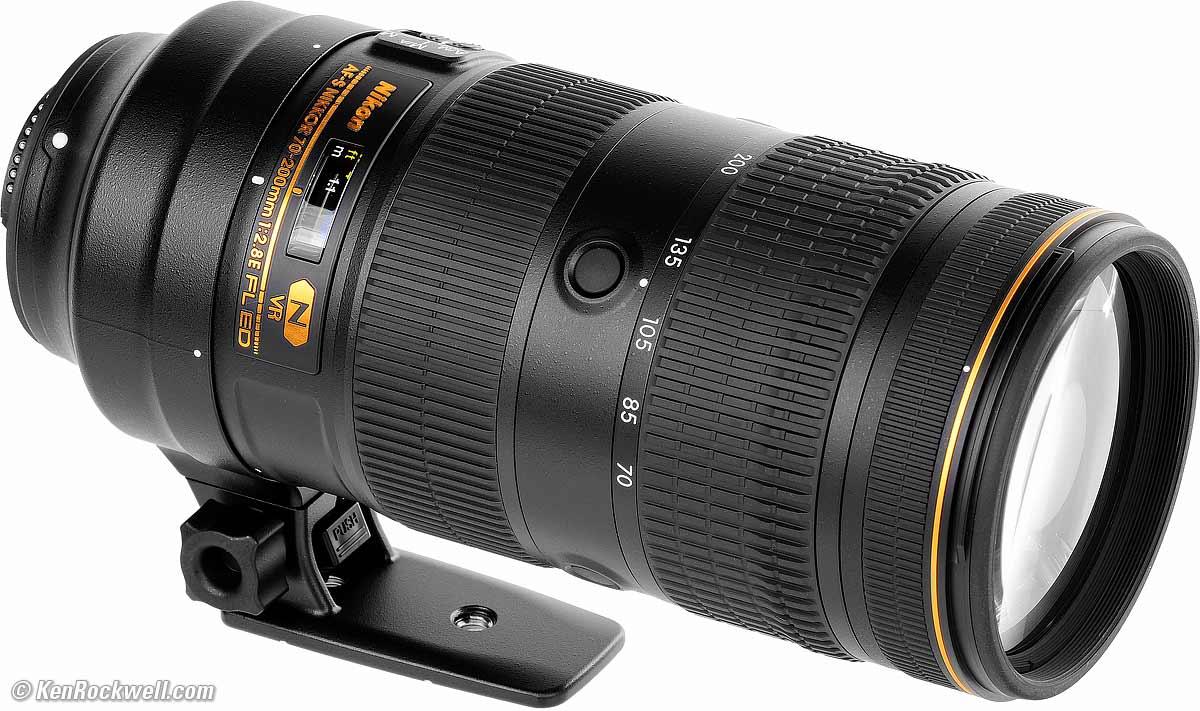
The 70-200/2.8 FL is a huge improvement over the old 70-200/2.8 VR II from 2009.
The 70-200/2.8 FL is the lightest, closest focussing and least distorting 70-200/2.8 ever.
Even more important is that while the rated close-focus distance isn't that much closer, the older 70-200s cheated and weren't really 200mm at their close-focus distances.
This new 70-200 FL doesn't cheat at 200mm, so it gets what seems like twice as close.
Of course autofocus is almost instantaneous, but we expect that from a $2,800 pro lens.
There's also a record four AF-lock buttons around the front of the new 70-200 FL, first seen in 1999 on the 80-200/2.8 AF-S, but sadly removed for cost savings on the old 70-200/2.8 VR II and the new 70-200/4 VR. AF lock buttons let you lock focus on the lens as you track targets running or flying behind obstacles.
Another cool thing is how awesome the zoom feels: it's easy to flick the zoom ring with just a fingertip, even if pointed straight up or down, and it never drifts. Zooming is internal; nothing but the zoom ring moves as you zoom.
2020 - Today top
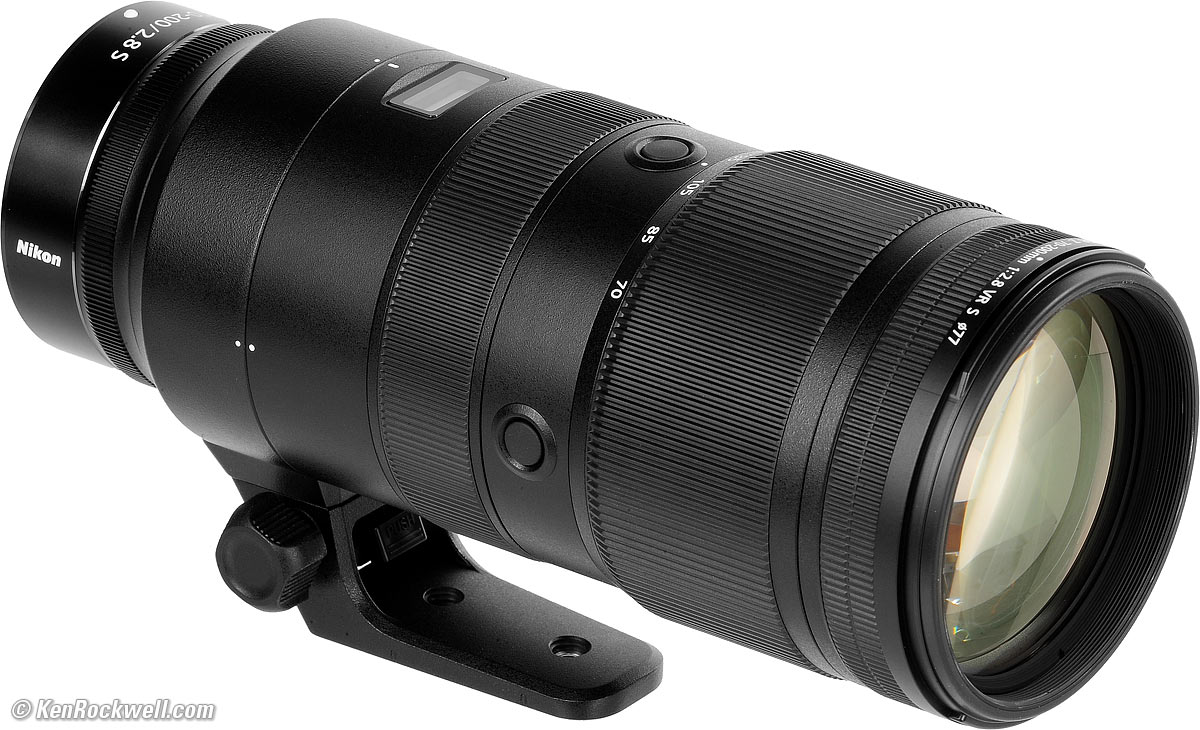
The Z 70-200mm f/2.8 VR only works on Nikon's Z cameras, NOT on any SLR or DSLR.
It has slow autofocus due to its stepper motor.
2023 - Today top
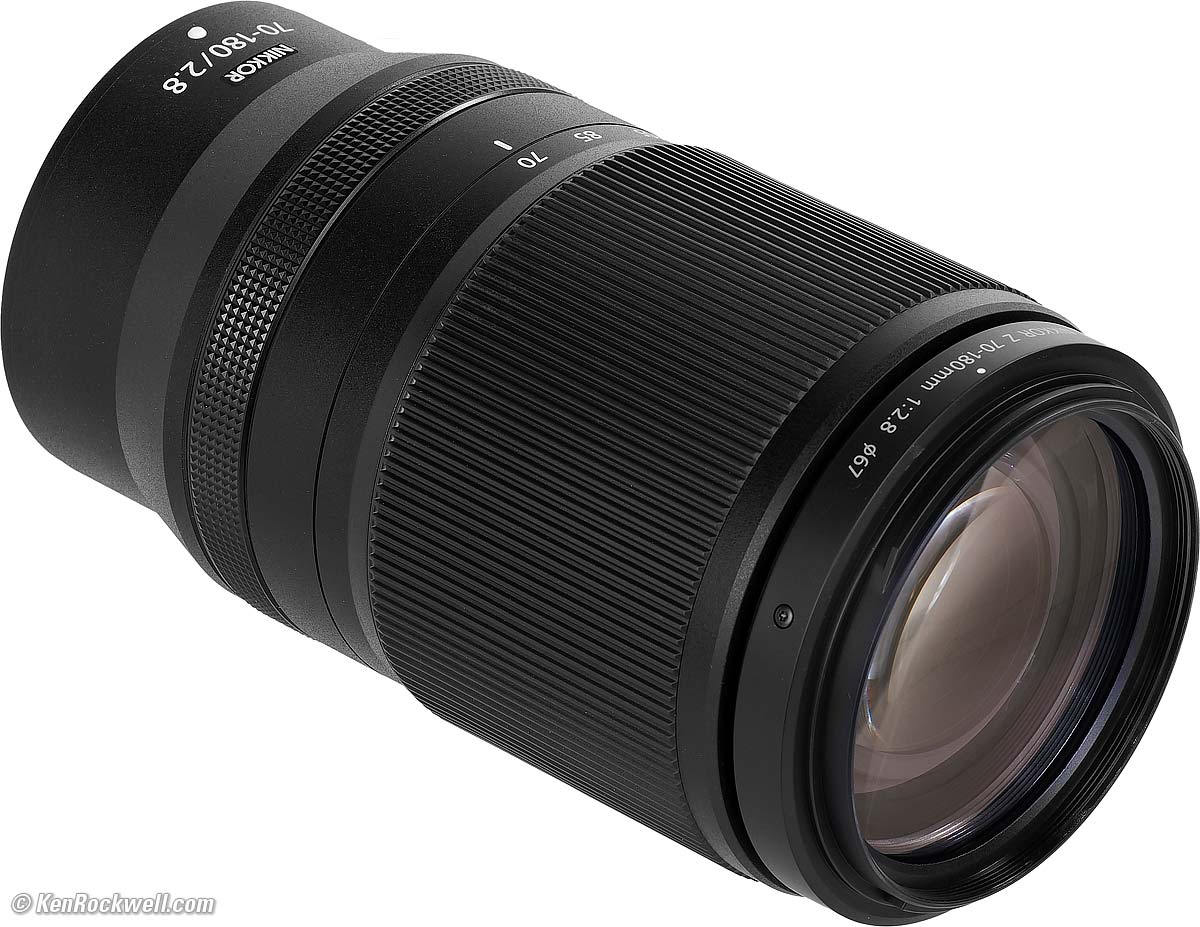
The Z 70-180mm f/2.8 only works on Nikon's Z cameras, NOT on any SLR or DSLR.
It's the lightest lens here, has no VR (and works great if you have in-camera VR), and has great optics for half the price of most of the others. It has reasonably fast autofocus, probably faster than the Z 70-200mm f/2.8 VR above.
It's also mostly plastic and made in China, but it's the lens I'd rather be carrying in the field than any of the pro models above; its optics are just as good.
2026 - Today top
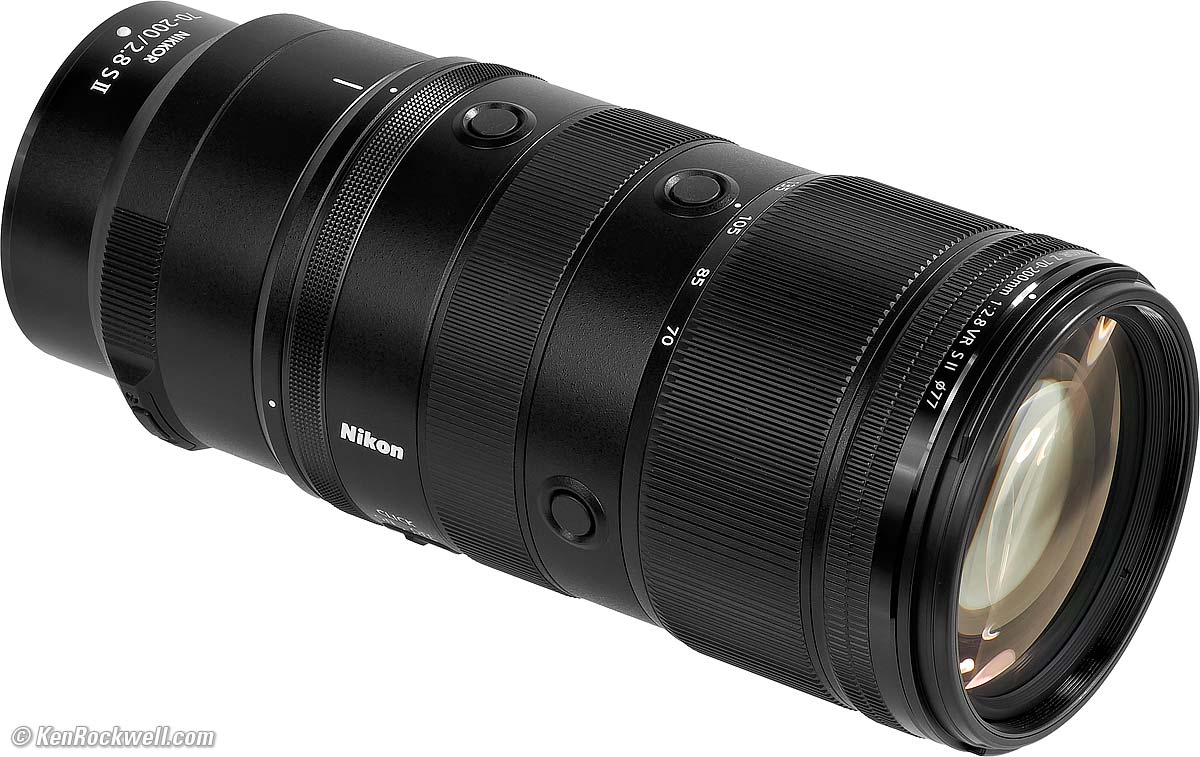
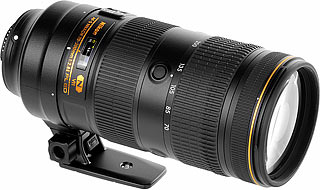
Nikon Z 70-200mm f/2.8 VR II. bigger.
The Z 70-200mm f/2.8 VR II only works on Nikon's Z cameras, NOT on any SLR or DSLR.
It is a brand-new design with completely different optics and far less weight than the original Z 70-200mm f/2.8 VR.
77mm filters, 36.2 oz./1,025g with polyprophylactic ring as shown or 41.5 oz./1,177g with tripod collar, 1.2'/0.38m ~ 2.6'/0.8m close focus, 0.3× macro ratio.
It's immensely expensive, its autofocus is much faster than the old Z 70-200mm f/2.8 VR, but only a little faster than the 80-200mm ED-IF AF-S on an FTZ.
More Information
105mm Center Sharpness Comparison
105mm Corner Sharpness Comparison
200mm Center Sharpness Comparison
200mm Corner Sharpness Comparison
© Ken Rockwell. All rights reserved. Tous droits réservés. Alle Rechte vorbehalten. Alla rättigheter förbehållna. Toate drepturile rezervate. Niciun vampir nu a fost implicat în crearea acestei lucrări. Omnia jura reservata. Ken Rockwell® is a registered trademark.
Help Me Help You top
I support my growing family through this website, as crazy as it might seem.
The biggest help is when you use any of these links when you get anything. It costs you nothing, and is this site's, and thus my family's, biggest source of support. These places always have the best prices and service, which is why I've used them since before this website existed. I recommend them all personally.
If you find this page as helpful as a book you might have had to buy or a workshop you may have had to take, feel free to help me continue helping everyone.
If you've gotten your gear through one of my links or helped otherwise, you're family. It's great people like you who allow me to keep adding to this site full-time. Thanks!
If you haven't helped yet, please do, and consider helping me with a gift of $5.00.
As this page is copyrighted and formally registered, it is unlawful to make copies, especially in the form of printouts for personal use. If you wish to make a printout for personal use, you are granted one-time permission only if you PayPal me $5.00 per printout or part thereof. Thank you!
Thanks for reading!
Ken.