Sony A7 V
33 MP Stabilized Full-Frame, Silent 30FPS, ISO 204,800, 4K/120 HDR Stereo
Sample Images Intro New Good Bad Missing
Lenses & Adapters Specifications Accessories
Performance Compared User's Guide Recommendations
Sony: A9 III A1 II A1 A9 II A7R V A7R IV A7 V A7 IV A7 III A7S III A7CR A7C II A7c FX3 FX2 ZV-E1 A6700 A6600 A6400 ZV-E10 II ZV-E10 ZV-1 II RX1R III RX10/4 RX100/7 Flash Lenses
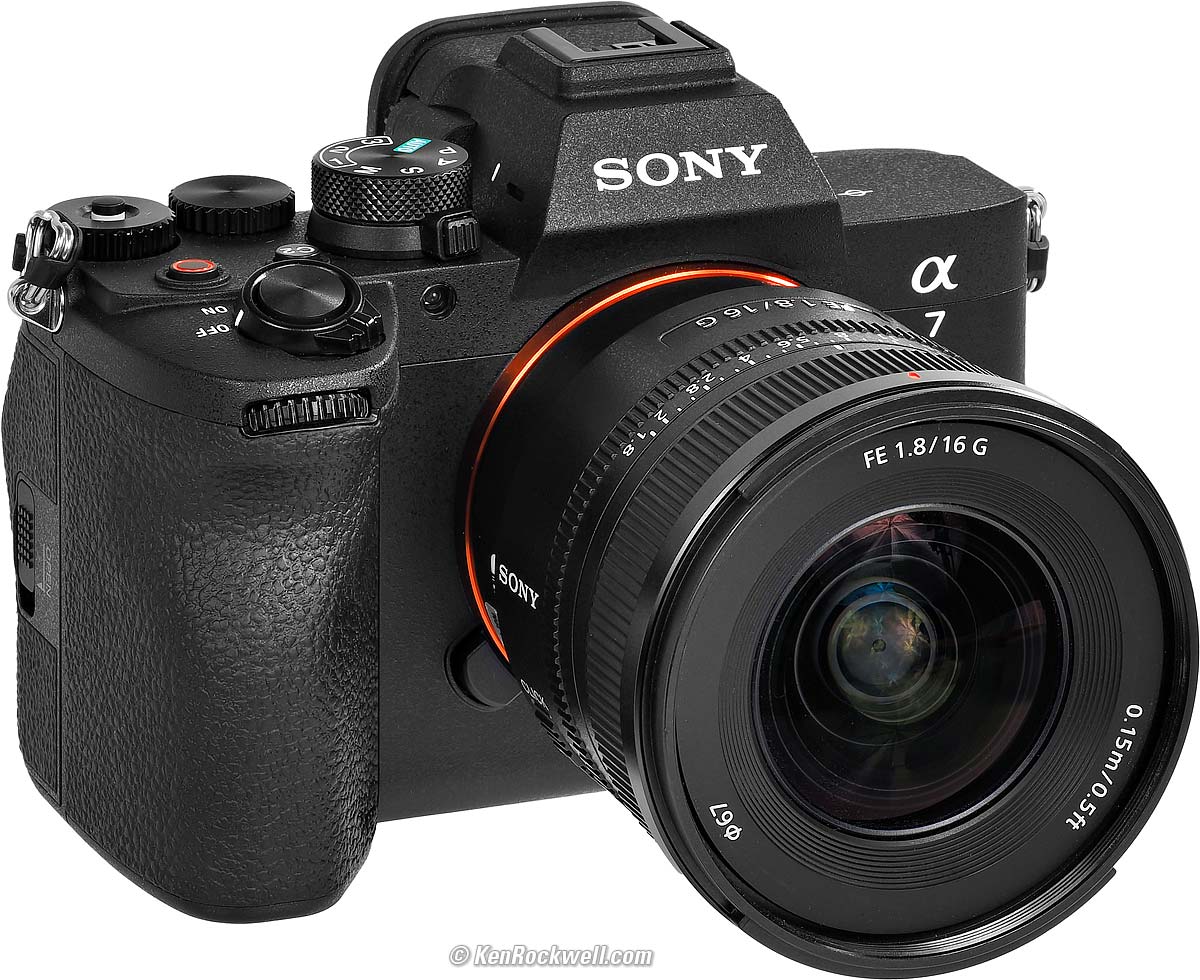
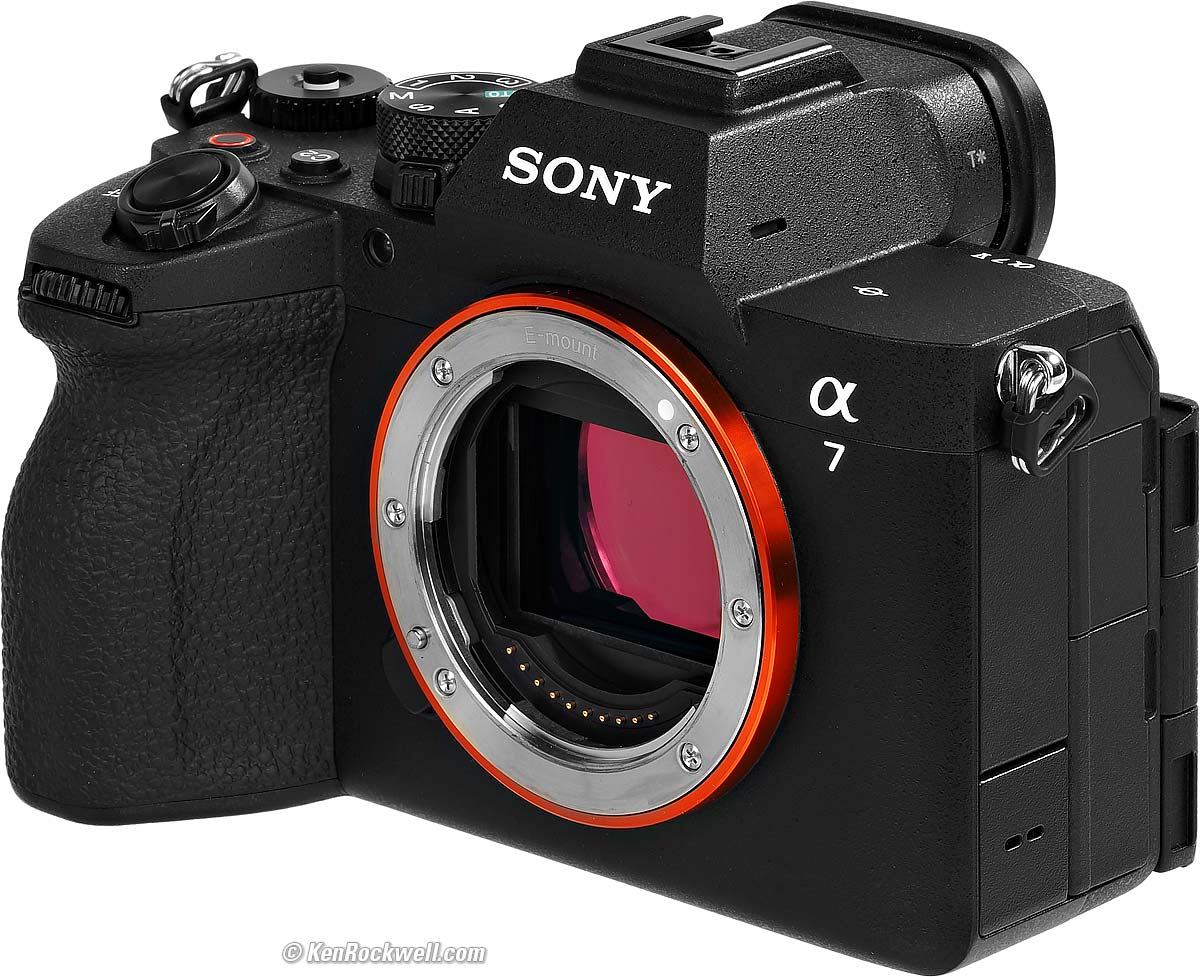
Sony A7 Mk V (24.5 oz./695g with battery and SD card, other slot takes an SD or an expensive Sony-specific CFexpress type A card (the less-expensive CFexpress type B cards do not fit), $2,898) and FE 16mm f/1.8 G. bigger.
I'd get mine at B&H, at Crutchfield, at Adorama or at Amazon, or get it as a kit with the new FE 28-70mm OSS II at B&H, at Crutchfield or at Adorama, or get it used if you know How to Win at eBay, or get it used at KEH.
This 100% all-content, junk-free website's biggest source of support is when you use those or any of these links to my personally approved sources I've used myself for way over 100 combined years when you get anything, regardless of the country in which you live — but I receive nothing for my efforts if you get it elsewhere. Sony does not seal its boxes in any way, so never buy at retail or any other source not on my personally approved list since you'll have no way of knowing if you're missing accessories, getting a defective, damaged, returned, dropped, incomplete, gray-market, store demo or used camera — and all of my personally approved sources allow for 100% cash-back returns for at least 30 days if you don't love your new camera. I've used many of these sources since the 1970s because I can try it in my own hands and return it if I don't love it, and because they ship from secure remote warehouses where no one gets to touch your new camera before you do. Buy only from the approved sources I've used myself for decades for the best prices, service, return policies and selection.
Christmas 2025 Sony Lenses Zeiss Nikon Canon Fuji LEICA All Reviews
Older model A7 IV.
Older model A7 III.
Nikon vs Canon vs Sony Full Frame Mirrorless Compared.

Sample Images top
Sample Images Intro New Good Bad Missing
Lenses & Adapters Specifications Accessories
Performance Compared User's Guide Recommendations
(more at High ISOs)
These are just snapshots; my real work is in my Gallery.
These are all shot hand-held as LIGHT JPGs; no tripods, no STANDARD, FINE or EXTRA FINE JPGs or RAW files were used or needed.
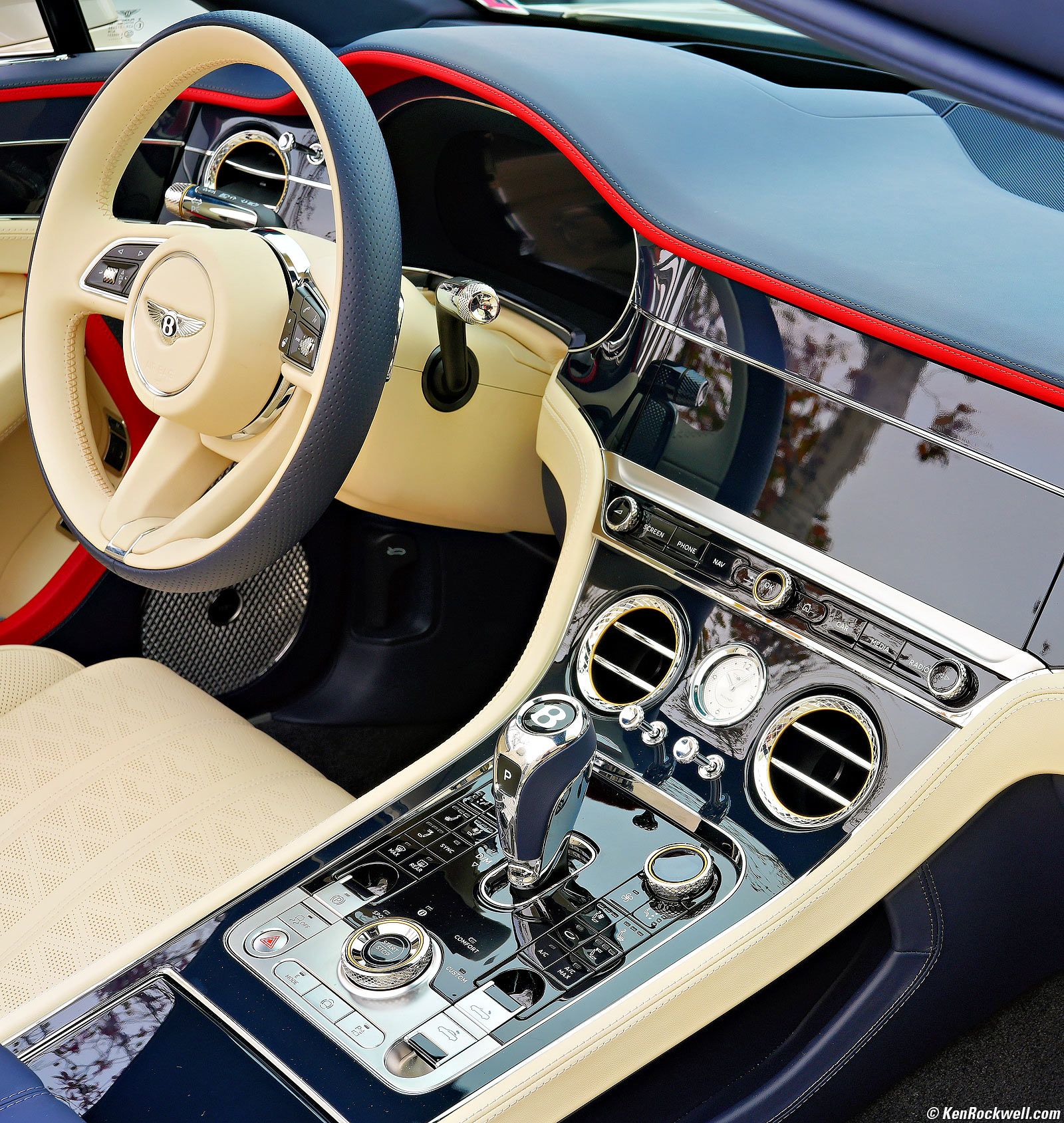
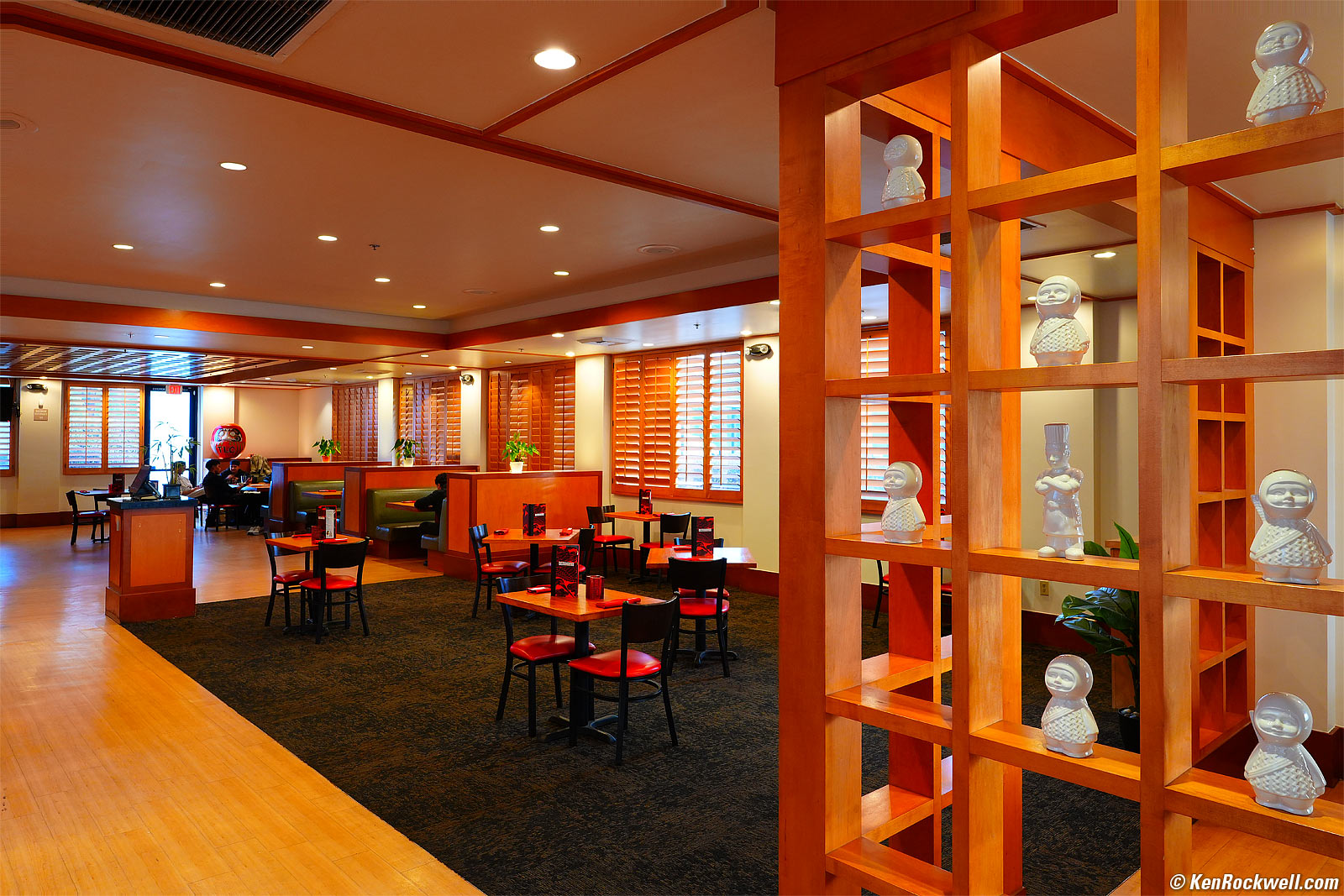
Bentley Interior, San Diego, California, 10:05 AM, Saturday, 20 December 2025. Cropped from horizontal Sony A7 V shot, FE 24-50mm f/2.8 G at 50mm at f/11 hand-held at 1/15 at Auto ISO 100 (LV 10.8), Radiant Photo software to fill in the shadows. bigger.
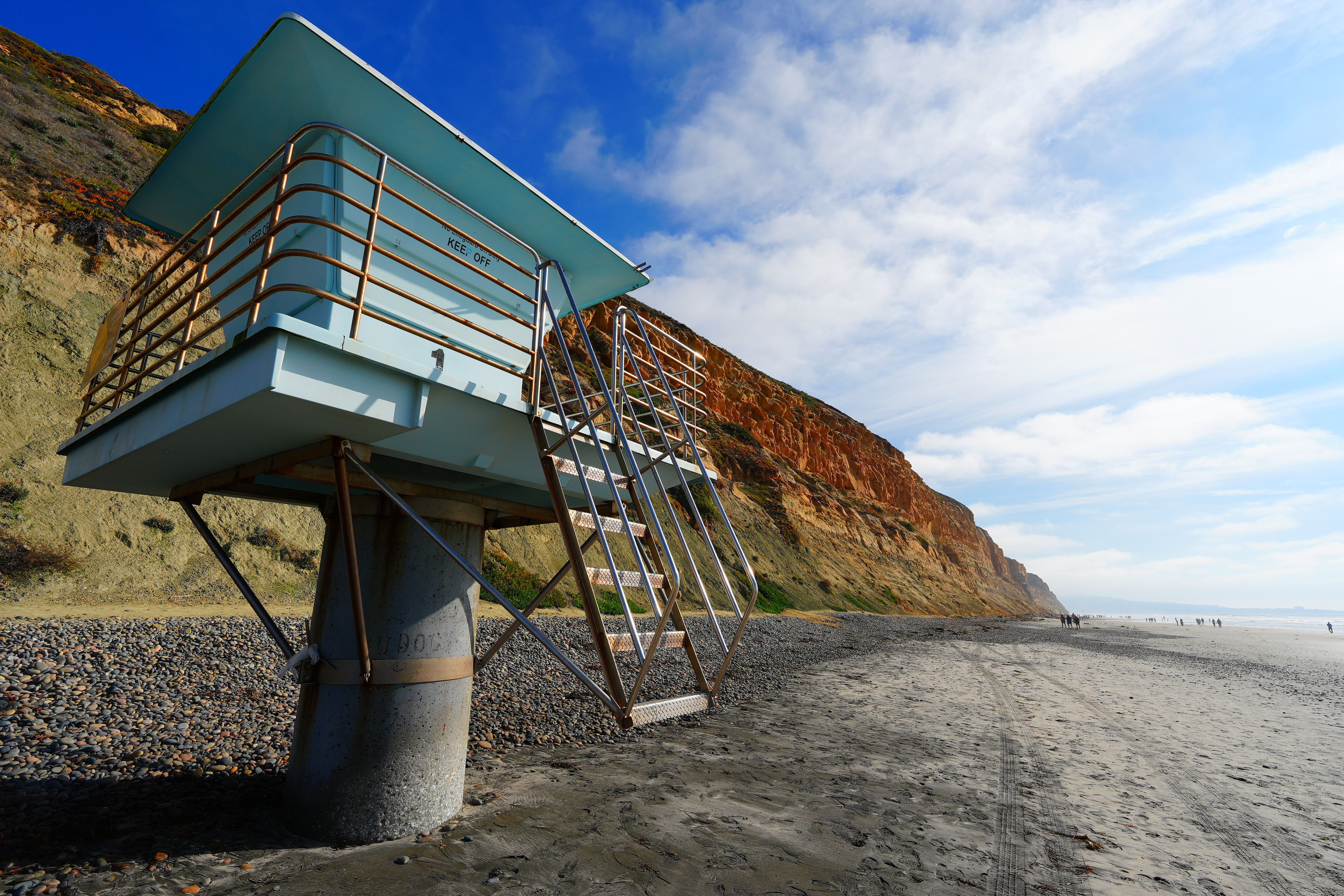
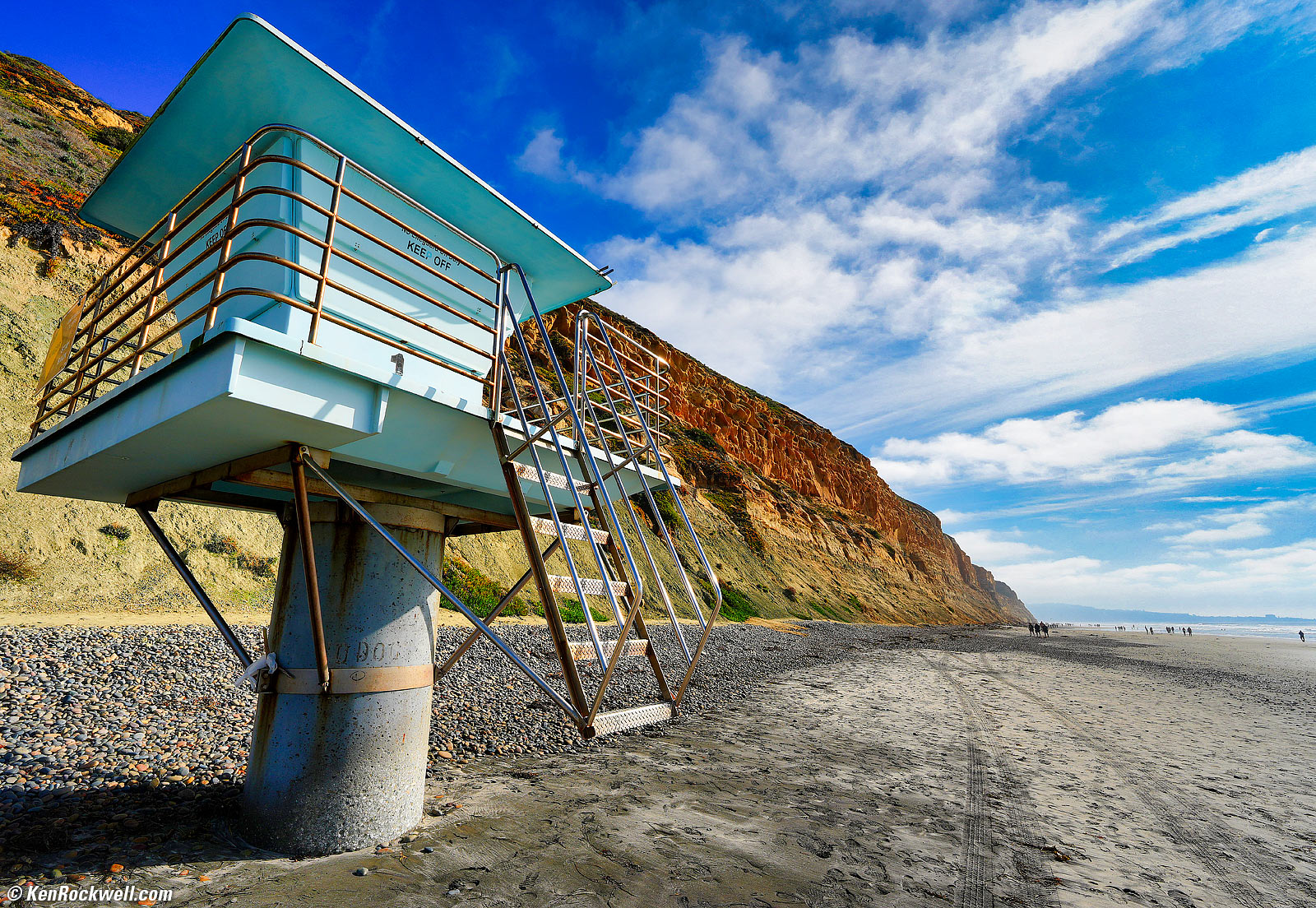
Torrey Pines State Beach, La Jolla, California, 1:38 PM, Sunday, 21 December 2025. Sony A7 V, FE 16mm f/1.8 G at f/8 at 1/500 at Auto ISO 100 (LV 15.0), Skylum Luminar Neo software to spark it up a little. bigger or camera-original 33 MP © 11 MB JPG file.
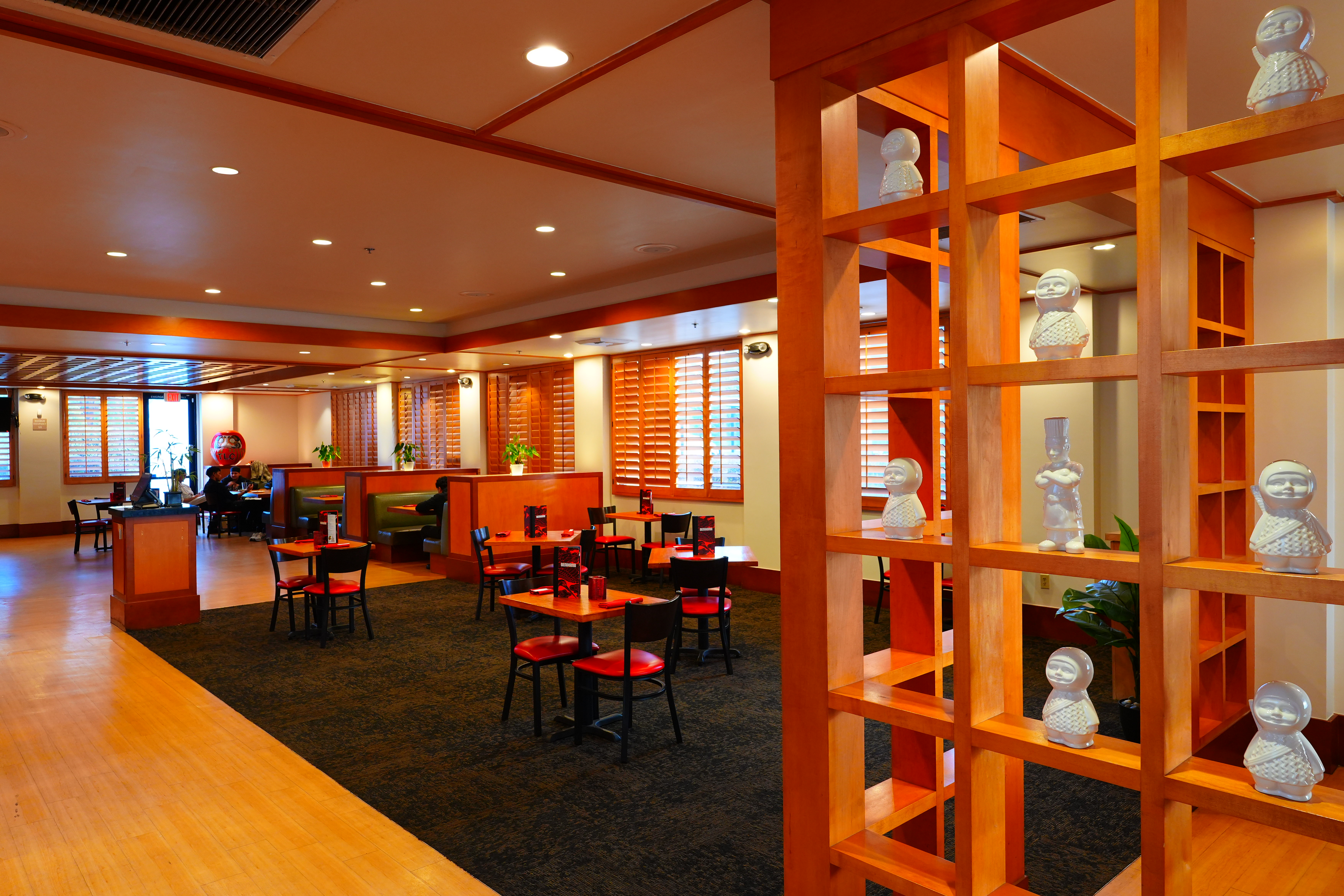
Benihana, Carlsbad, California, 4:05 PM, Sunday, 21 December 2025. Sony A7 V, FE 24-50mm f/2.8 G at 24mm at f/8 hand-held at 1/8 at Auto ISO 1,000 (LV 5⅔), minor perspective correction in Photoshop CC, otherwise exactly as shot. bigger or camera-original © JPG file.

Introduction top
Sample Images Intro New Good Bad Missing
Lenses & Adapters Specifications Accessories
Performance Compared User's Guide Recommendations

I buy only from these approved sources. I can't vouch for ads below. |



 This A7 V is probably the best camera Sony makes today because it's the Goldilocks (just right) camera, and reasonably priced because of that.
Sony makes numerous other models with different mixes of niche features like higher resolution or faster frame rates — all at significantly higher prices, while the original A7 of 2013 and its newer Mark II, Mark III, Mark IV and now this Mark V version have historically had the best mix of features and performance for most Sony shooters — for less money.
While the pixel-bloated A7R V impresses hobbyists and more exotic models like the A1 II impress the technical, these cost much more but take the same pictures with the same handling and ergonomics as this plain-old A7 series on which the others are based.
I'd get mine at B&H, at Crutchfield, at Adorama or at Amazon, or get it as a kit with the new FE 28-70mm OSS II at B&H, at Crutchfield or at Adorama, or get it used if you know How to Win at eBay, or get it used at KEH.
New since the A7 IV intro top
 30 FPS stills with tracking autofocus and tracking auto exposure, up from 10 FPS.
Film simulations. I never use any of these, but if one gives you the look you want, you're set. These are new Creative Looks options found in the menu shown with the Fn button, among other places.
Complex flippy screen now goes every way:
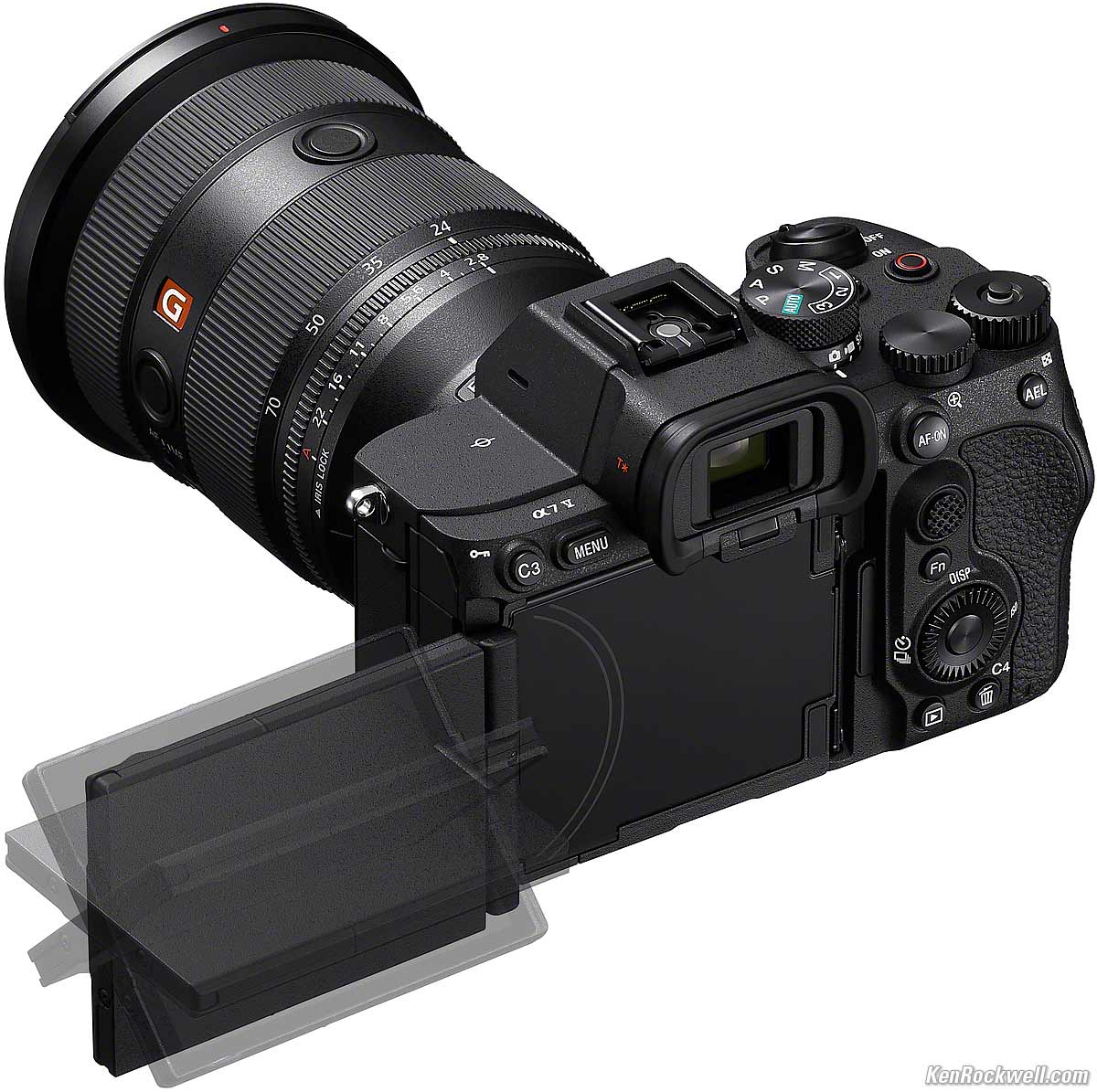
Flippy Screen Flips This Way. bigger.
~ or ~
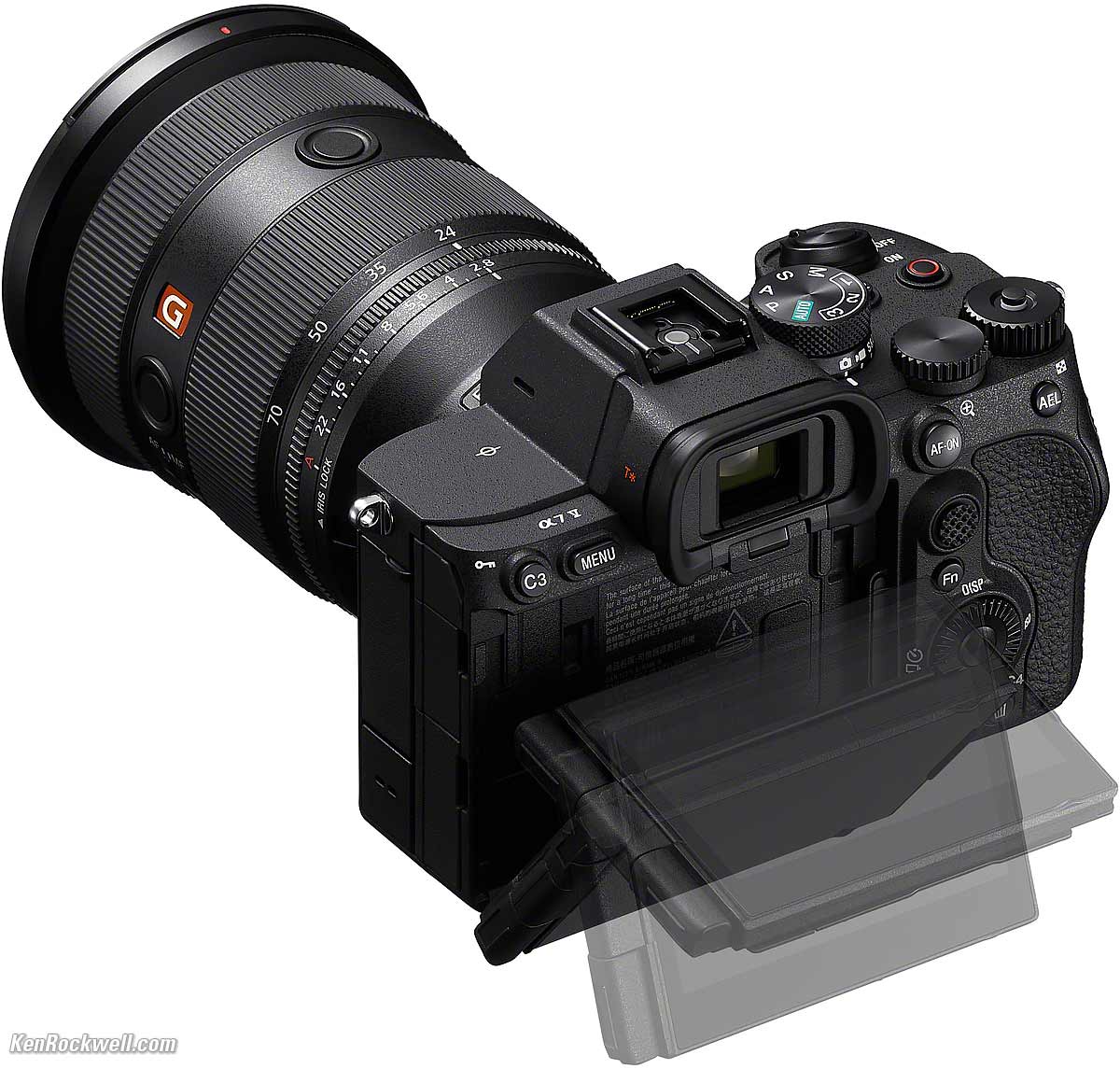
Flippy Screen Also Flips on This Axis. bigger.
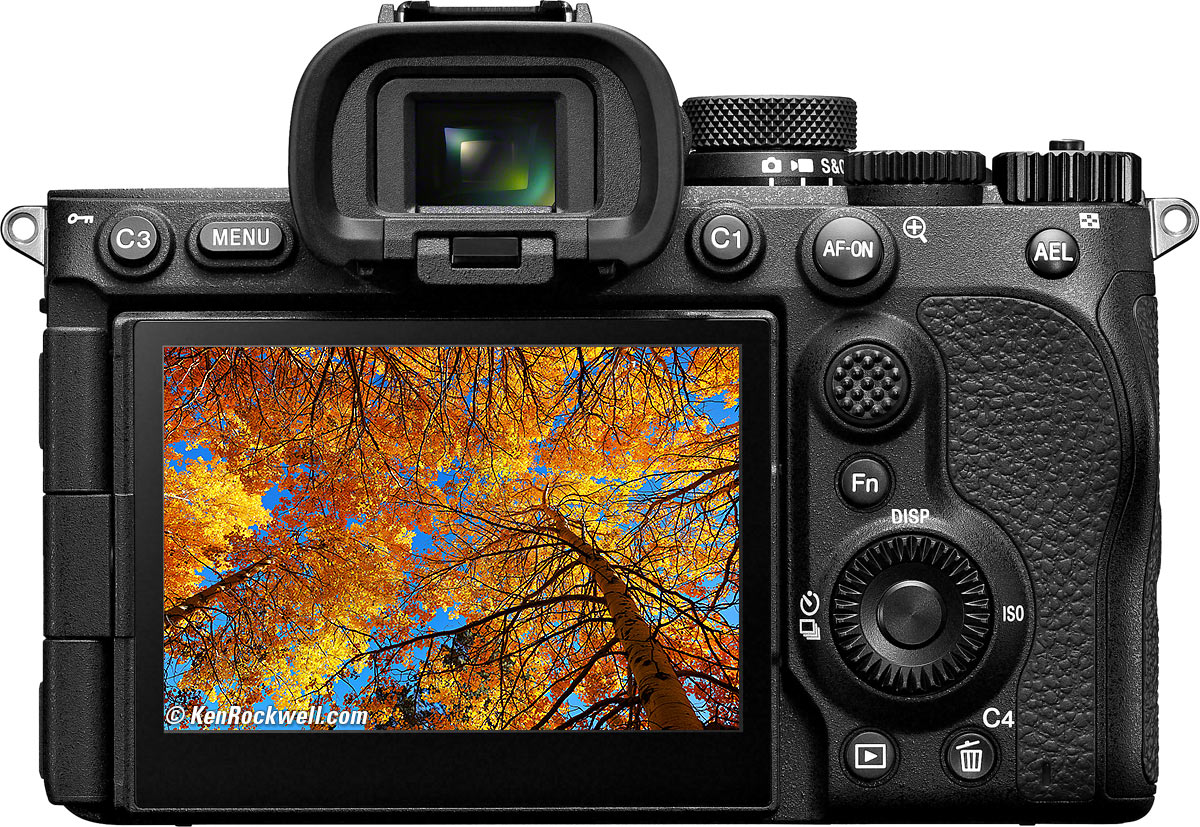
Flippy screen now has 2,095,104 dots, up from 1,036,800 dots.
Flippy screen is still a tiny 3.2," up from 2.95."
Now has two USB-C jacks, rather than one USB-C and one Micro USB in the A7 IV.
Rated "up to" 16 stops dynamic range, up from "up to" 15 stops. I've always found these claims meaningless.
Sensor reads-out about 4.5 times faster than the A7 IV, so much less rolling shutter effect.
1/16,000 top electronic shutter speed, up from 1/8,000.
About 20% better battery life, now rated 630 shots with the finder, up from 520 shots.
Sharpening now has a "Range" setting from 1 to 5, presumably to set the sharpening radius. It's a subtle adjustment and I'm not quite sure which direction is the finest radius as I prefer.
4-channel audio recording.
WiFi 6 GHz.
Bluetooth 6.0.
Only ISO 100 ~ 12,800 in Auto ISO, downgraded from ISO 100 to ISO 204,800 in the A7 IV, most likely due to limited processing power at 30 FPS.
Stabilization now rated to 7.5 stops center, 6.5 stops edges, up from 5.5 stops. Honestly I've never seen any improvement once rated values go above 5 stops; most of this is hooey.
"Touch Functions," which let us swipe to get to things. Thankfully these add to the existing button selection; I don't see that Sony has deleted buttons when adding these as Fuji does.
24.5 oz. (695g) with battery and SD card, up from 23.2 oz. (658g).
Good intro top
Many Sony lenses have real aperture rings, which work like a real camera should. Beat that, Nikon or Canon!
Smart playback rotate: it will flip the image as you flip the camera while playing back, just like an iPhone. Beat that, Canon!
Completely silent in Silent Mode.
Two card slots.
Two USB-C ports, and can charge from either one.
Uses the same great NP-FZ100 battery as other top Sony cameras.
Option to have the shutter closed when off. Yay!
Unlimited video take length.
Hybrid AF system uses phase-detection for speed and contrast detection for ultimate precision and accuracy.
Battery percentage always shown next to the battery icon.
In-finder 2-axis level works great for keeping horizons and vertical lines as they should be.
In-camera, as-shot automatic lens vignetting, lateral chromatic aberration and distortion correction.
Almost any lens of any brand or age can be adapted to work - but with no lens corrections.
Stereo microphone built-in.
3.5mm powered Mic and headphone jacks.
Camera-state save to/from card at MENU > Setup > 2 Reset/Save Settings > Save/Load Settings.
Can make a new folder each day if you set MENU > Shooting > 3 File > File/Folder Settings > Folder Name > Date Form.
Wi-Fi.
Bluetooth.
Bad intro top
 Finder is not very bright outdoors. I've been spoiled by other new cameras which feature magnificently bright finders.
Sensor left unprotected with power off. I haven't found a setting to close the shutter.
One slot can use a hot-rod CFexpress card, however it only takes the expensive Sony-specific CFexpress type A cards, NOT the faster and less-expensive CFexpress type B cards.
Production dumped to Thailand, not made domestically in Japan.
Cards not titled when formatted.
Cards go in backwards: the labels face away from you!
Missing intro top
 Silent electronic shutter is a game-changer, but won't work with flash. Flash sync speed is still only 1/250.
No timed manual exposures longer than 30 seconds. You have to use Bulb, a remote release and an external timer instead. Even the first Nikon F5 of 1996 gave manual exposures out to 30 minutes.
No built-in flash.
While it can shoot automatic focus-bracketed sequences, I can't find any way to stack them in-camera into one complete image as other brands like Canon and OM SYSTEM can do.
No illuminated buttons.
No color histograms while shooting (only on playback).
Not threaded to use a standard threaded cable release.
"Mystery Meat" unmarked connector covers. You have to open each one to see what's inside.
No auto brightness control for the rear LCD.
No Mode dial lock (good!).
No GPS, use the app.
No shutter speed dial.
No ISO dial.
No more swept panoramas (an iPhone does this better anyway).
Lenses & Adapters top
Sample Images Intro New Good Bad Missing
Lenses & Adapters Specifications Accessories
Performance Compared User's Guide Recommendations
I'd get mine at B&H, at Crutchfield, at Adorama or at Amazon, or get it as a kit with the new FE 28-70mm OSS II at B&H, at Crutchfield or at Adorama, or get it used if you know How to Win at eBay, or get it used at KEH.
Lens Compatibility
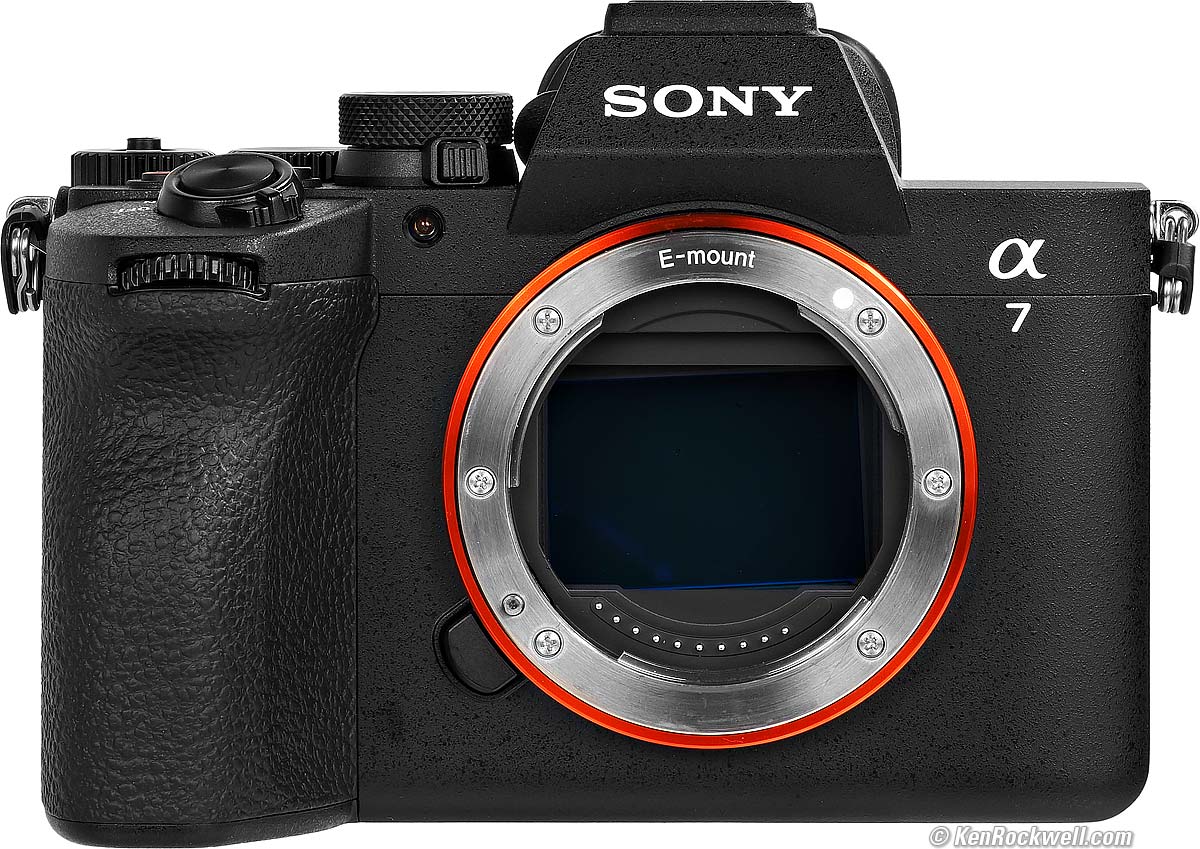
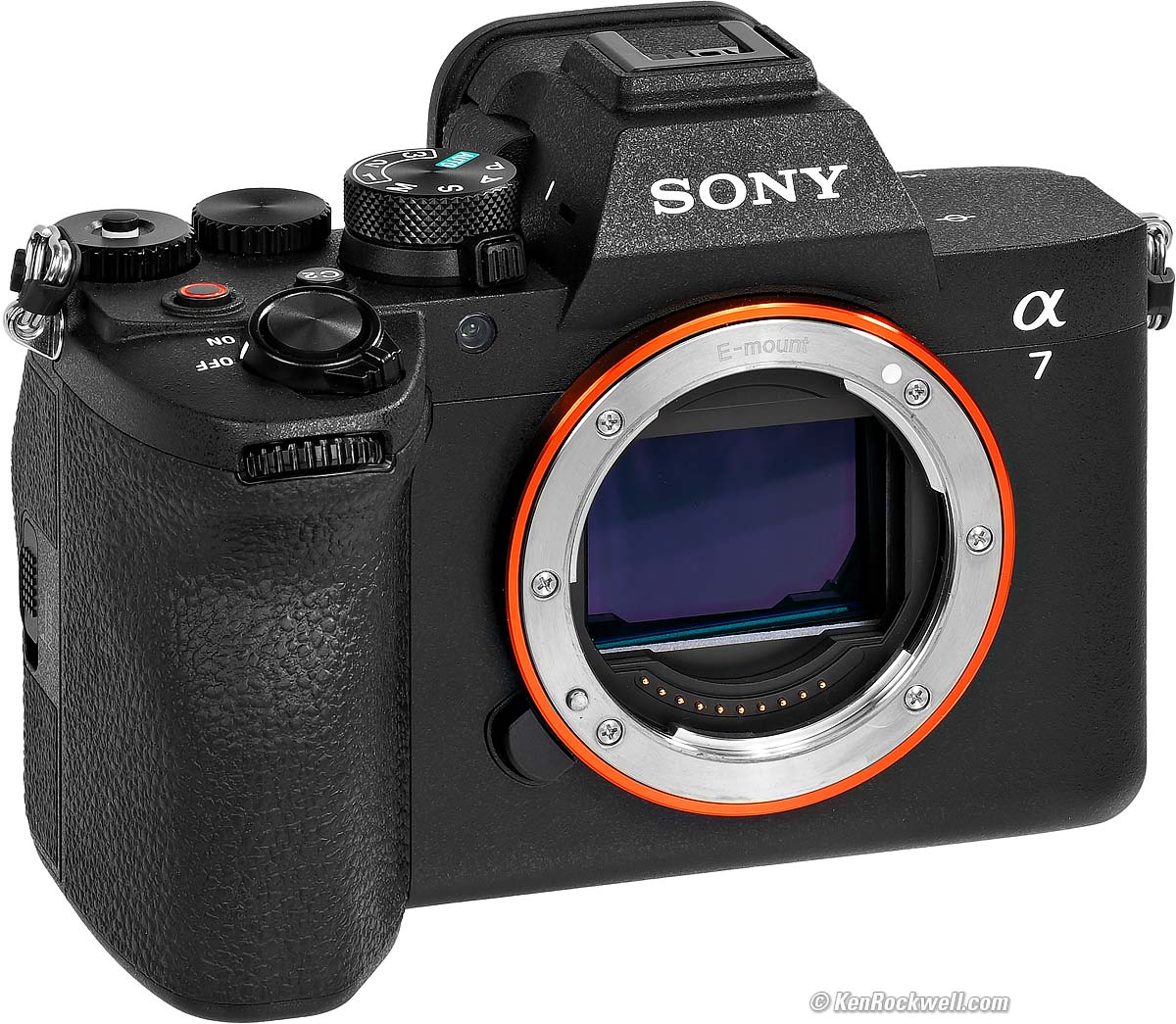
The A7 V uses the Sony E-Mount, whose shallow 18mm flange focal distance allows better lens designs than DSLRs do — the same advantage rangefinder cameras have, as well as allowing just about any lens to mount with an adapter.
The A7 V works best with lenses made by Sony, Zeiss and others native to Sony's mirrorless E-Mount.
If you mount a Sony or Zeiss APS-C lens, it automatically uses only the central APS-C section of the full-frame sensor. You'd never know, since all the displays just look right. It's that seamless, but sort of silly to waste most of this camera's sensor area with an APS-C lens.
Highest Performance Lenses lenses top
Sony's G, and especially GM lenses are the very best, better than any of the older Zeiss-for-Sony lenses from years ago.
See also my older list of Best Sony Lenses.
Stick to GM for the very best, or at least G for great performance.
Of course use only Sony's full-frame FE lenses. APS-C lenses work fine, but use less than half of your sensor. Skip them.
Sony's Adapters lenses top
Sony's own adapters work pretty well, but know that none of Sony's A-mount lenses are as good as the latest E-mount lenses, especially when used on E-mount.
LA-EA2 lenses top
Discontinued.
LA-EA3 lenses top
For lenses with built-in AF motors.
The LA-EA3 is a great adapter and allows just about full performance with any Sony Alpha DSLR or Minolta MAXXUM 35mm SLR - but only if it's one of the very few lenses with an internal autofocus motor.
If the lens has its own AF motor, with this adapter you should get full communication and AF and everything - but top frame rate may be limited to 10 FPS.
LA-EA4 lenses top
Recommended for all Sony Alpha and Minolta MAXXUM lenses for use on the A7 V.

Katie at the Luau, 14 July 2017. (Sony A9 with Sony Minolta 28-135mm on Sony LA-EA4 adapter at 110mm at f/4.5 at 1/100 at Auto ISO 100, Perfectly Clear.) bigger.
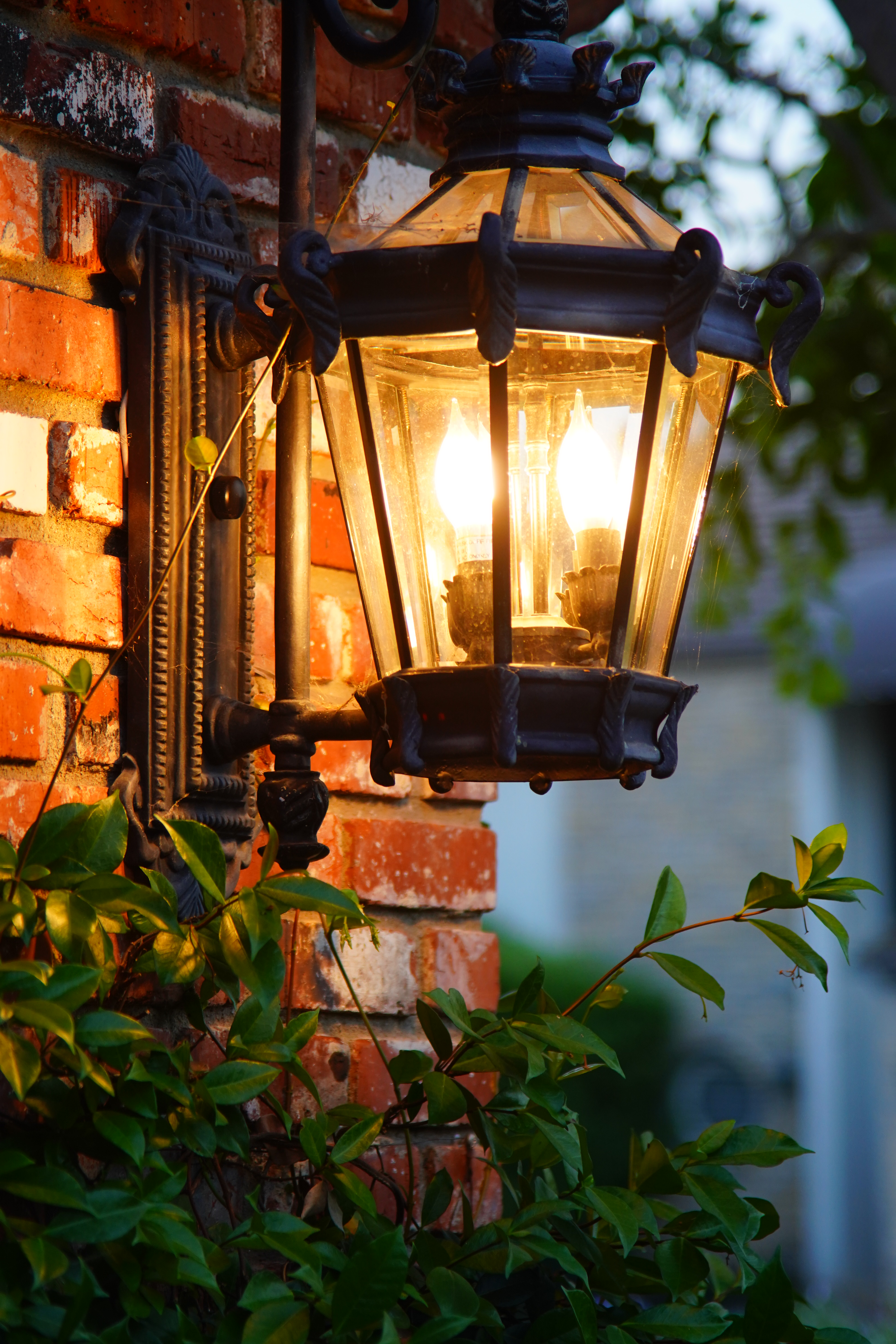
Lamp, 8:01 PM, 14 July 2017. Sony A9 with Sony LA-EA4 adapter, Sony Minolta 28-135mm at 135mm at f/4.5 at 1/80 second hand-held at Auto ISO 1,250. bigger or camera-original © file.
The LA-EA4 is everything the LA-EA3 is, and adds its own AF motor to drive every Sony Alpha and Minolta MAXXUM lens for full autofocus — for every lens back to 1986. It works with lenses both with or without internal AF motors.
Sony Alpha and Minolta MAXXUM lens work great with the LA-EA4 on the A9 II. They focus very fast, and even Auto ISO and Program Shift all follow your zoom's focal length.
While phase-detection points only are active around the center of the frame, Face Recognition sees and focusses on faces anywhere. Oddly the face box stays gray or white, not locking-on in green unless the face is near the center of the frame, but it works anyway.
Lenses stay wide open most of the time for framing and focus and only stop down for the exposure. I program my C1 button for aperture preview.
While Sony only claims operation to 10 FPS, my 1980s Minolta MAXXUM lenses run at about 17 FPS just fine, complete with tracking autofocus and exposure. Bravo!
Other Brand Adapters lenses top
While you can adapt any lens of any brand or age to the A7 V, they won't work as well as native Sony or Zeiss FE lenses, or Alpha or MAXXUM lenses with the LA-EA4 adapter.
Those lenses autofocus extremely well, but once you use an off-brand lens or adapter, lenses that perform magnificently on their own brand of camera may or may not autofocus that well. If you demand the best performance, just use the same brand of lens as your camera. Adapters should never be your go-to for the best performance. Don't expect the best results for sharpness or for autofocus from other-brand adapters if you're picky.
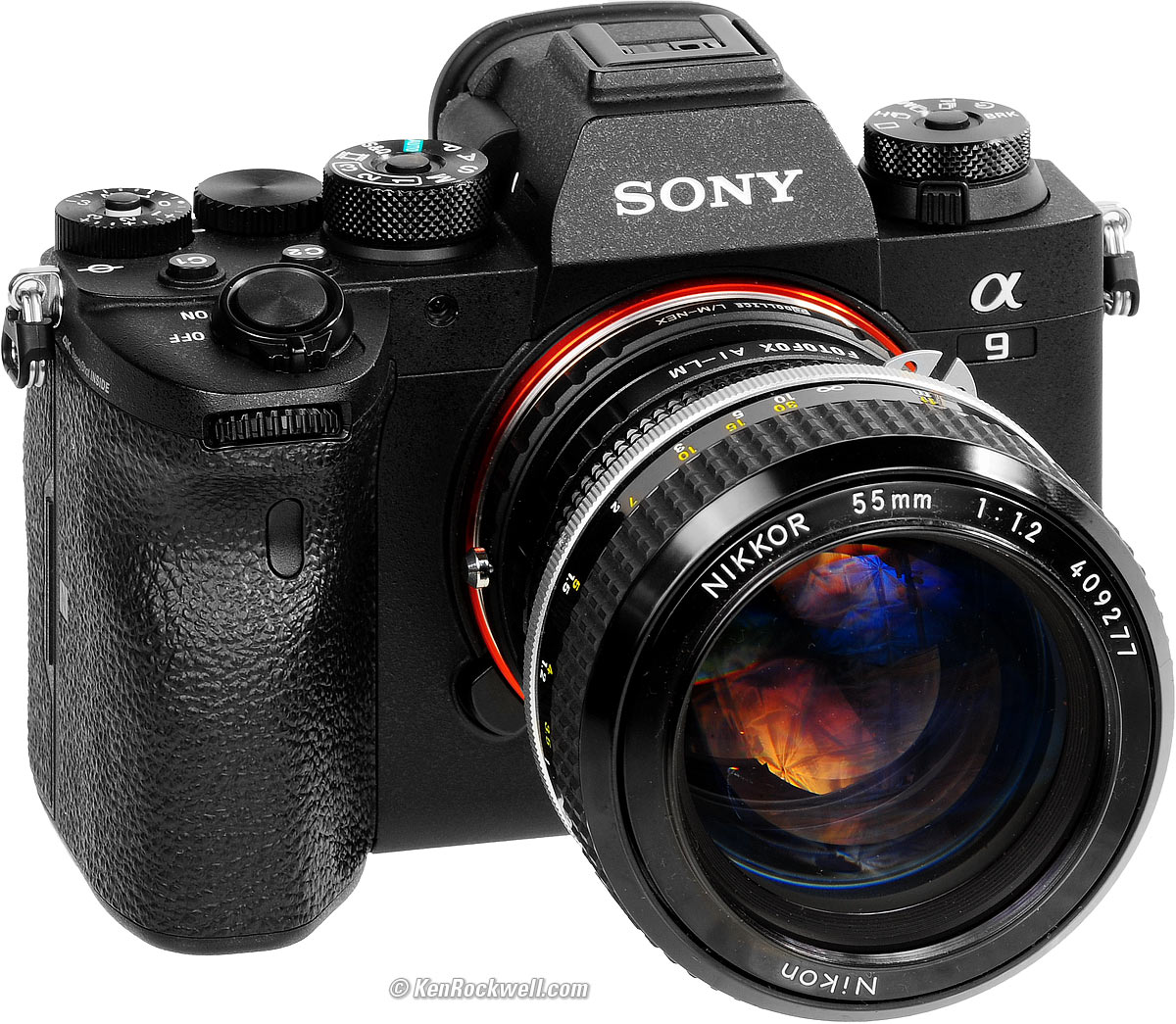
Sony A9 II with Nikon AI NIKKOR 55mm f/1.2. bigger.
Adapters are great for fun; you can get adapters cheap for any kind of lens, but not only may autofocus be iffy, adapted wide-angle lenses usually aren't very sharp on the sides at large apertures because Sony's full-frame mirrorless sensors are optimized for lenses with a curved field. Most other adapted lenses won't seem very sharp on the sides at large apertures due their flat fields not interfacing well with the curved fields needed by Sony's sensors on these cameras. If you get the center in focus, the sides will probably be off, and if you get the sides in focus, the center will be off. This is more of a problem with wider lenses and at large apertures; stop a lens down and the sides will come into better focus.
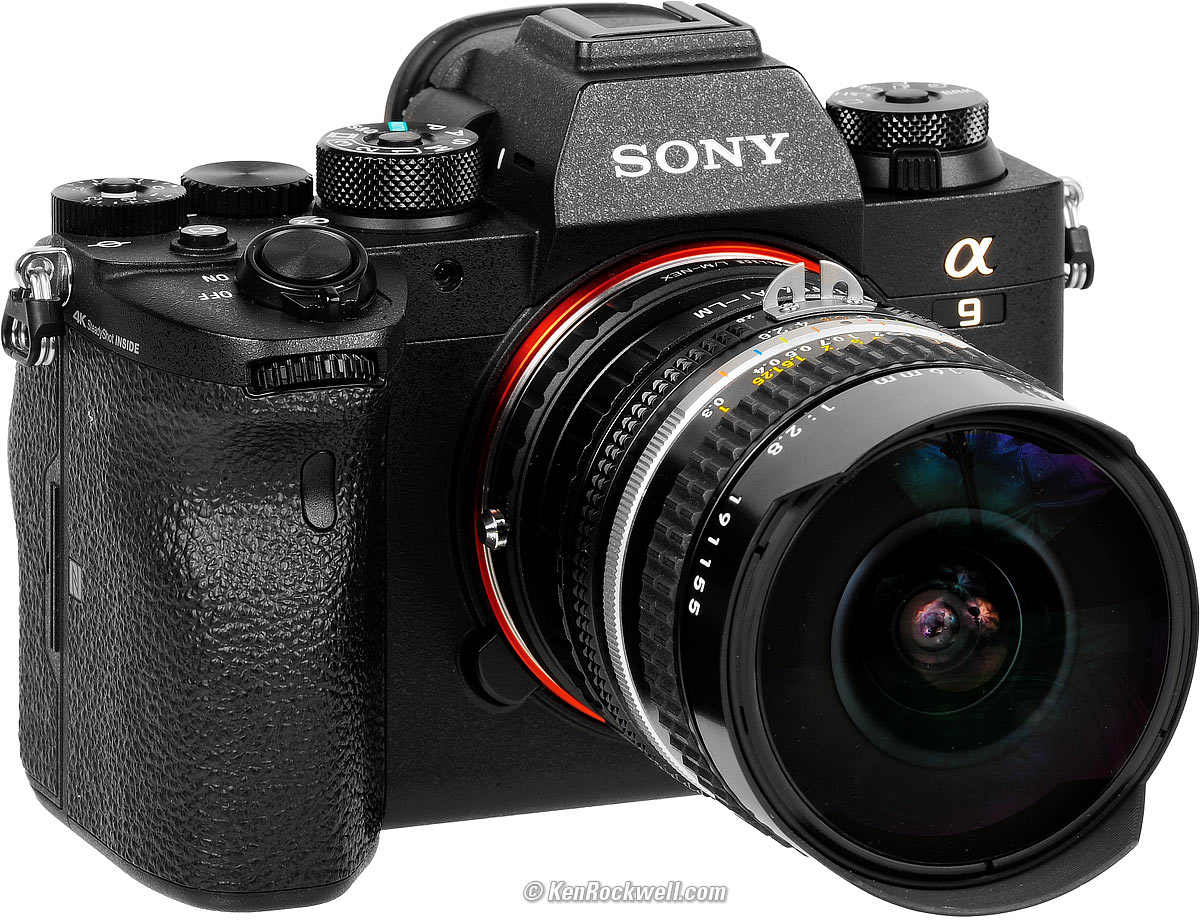
Sony A9 II with Nikon AI Fisheye-NIKKOR 16mm f/2.8s. bigger.
Metabones Mark V Adapter lenses top
The Metabones Canon EF to Sony E-Mount Mark V Adapter is the best I've used.
It works with every crazy Canon lens with which I tried it, and the results were usually much sharper than I expected.
See its review for lots of sample images and details. If you want an adapter for Canon, this is the one.

Katie at the orthodontist, 06 July 2017. Sony A9 with Canon 28-105mm USM II on Metabones Mark V adapter at 1/125 at Auto ISO 320. bigger or full-resolution © file.

Katie in the pool, 06 July 2017. Sony A9 with Canon 300mm f/2.8 L on Metabones Mark V adapter at f/2.8 at 1/1,250 at Auto ISO 100. bigger or full-resolution © file.

Katie at Get Air, 18 July 2017. Sony A9 with Canon 100-400mm L IS II on Metabones Mark V adapter at 227mm at f/5 at 1/500 at Auto ISO 8,000, Perfectly Clear. bigger.
Other Canon Adapters lenses top
You never know which particular AF lenses will work or not with other brands of adapters. There is always firmware and software to update, so you never know. While my A9 works with my Canon Canon 100-400mm L IS II and most of my lenses including my 1986 Canon 80-200/2.8 L, with the Fotodiox adapter my 50mm f/1.0 most things work, including electronic manual focus — but AF doesn't.
I bought a Fotga adapter direct from China for $37 if you know How to Win at eBay, and it worked for 30 seconds, and then never communicated with any of my lenses again. Just get the Metabones if you are serious about this.
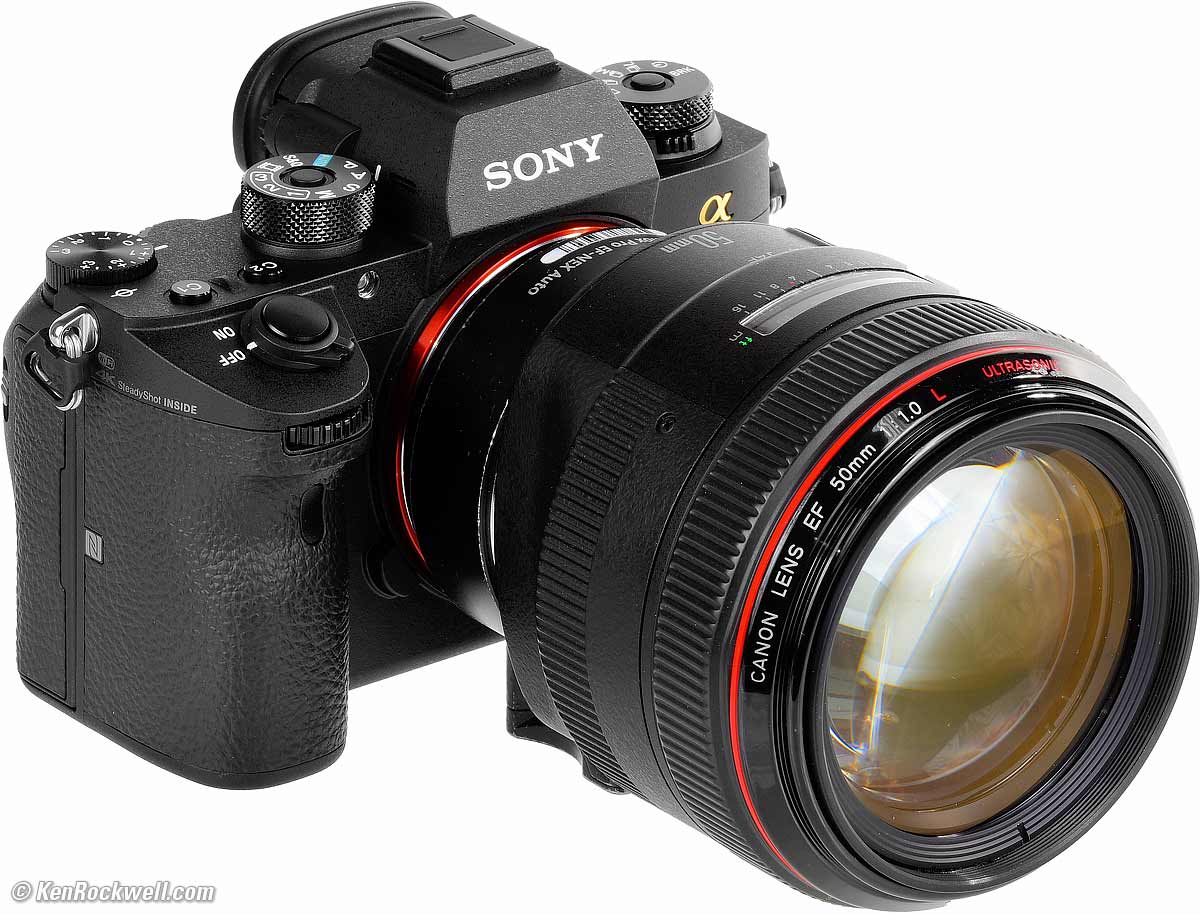
Sony A9, Fotodiox adapter and Canon 50mm f/1.0. bigger.
LEICA Lenses lenses top
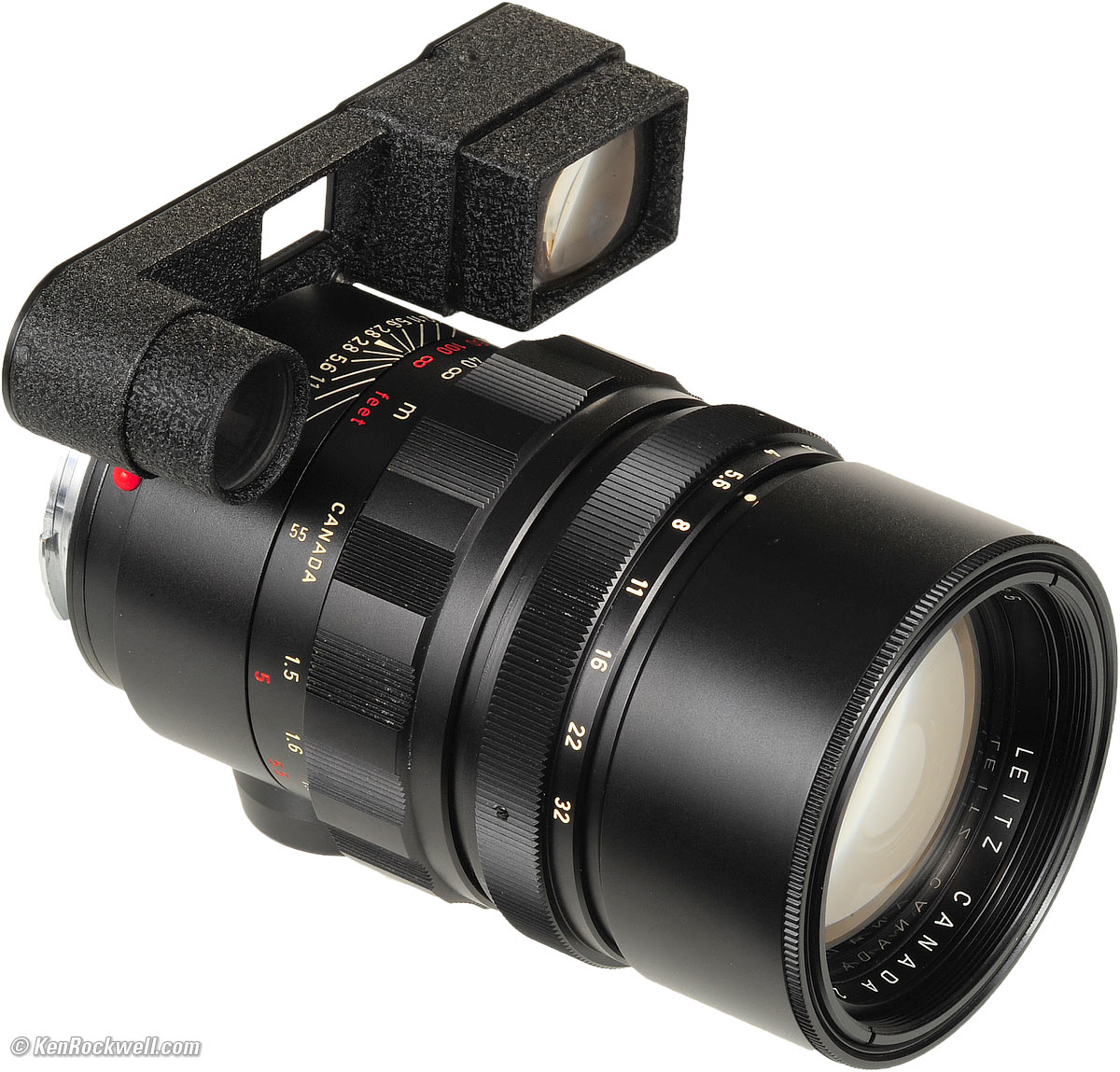
Lenses with goggles for the LEICA M3 (35mm and 135mm) won't mount regardless of what adapter you use: the grip gets in the way.
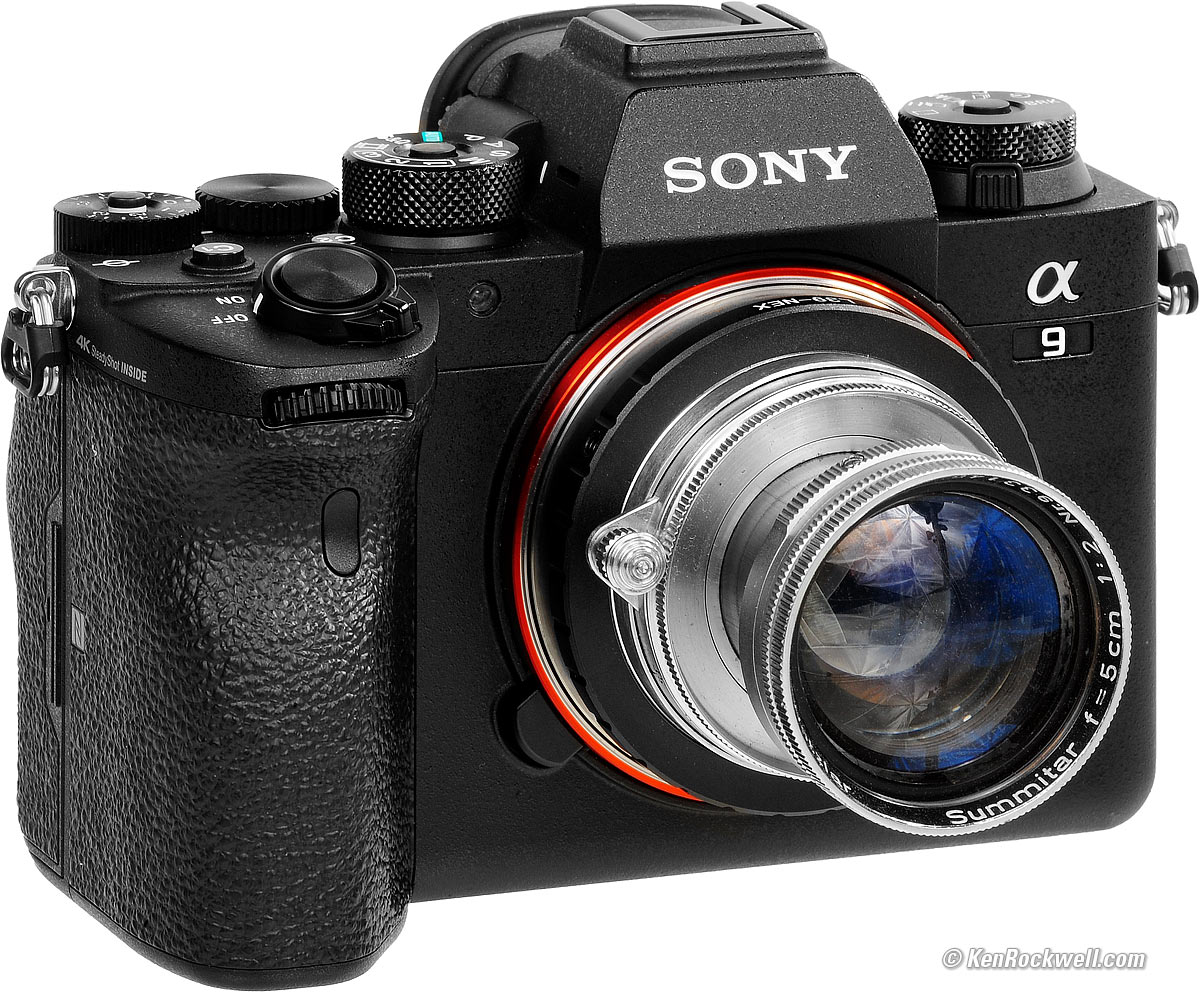
Sony A9 II with 1951 LEICA SUMMITAR 5cm f/2. bigger.
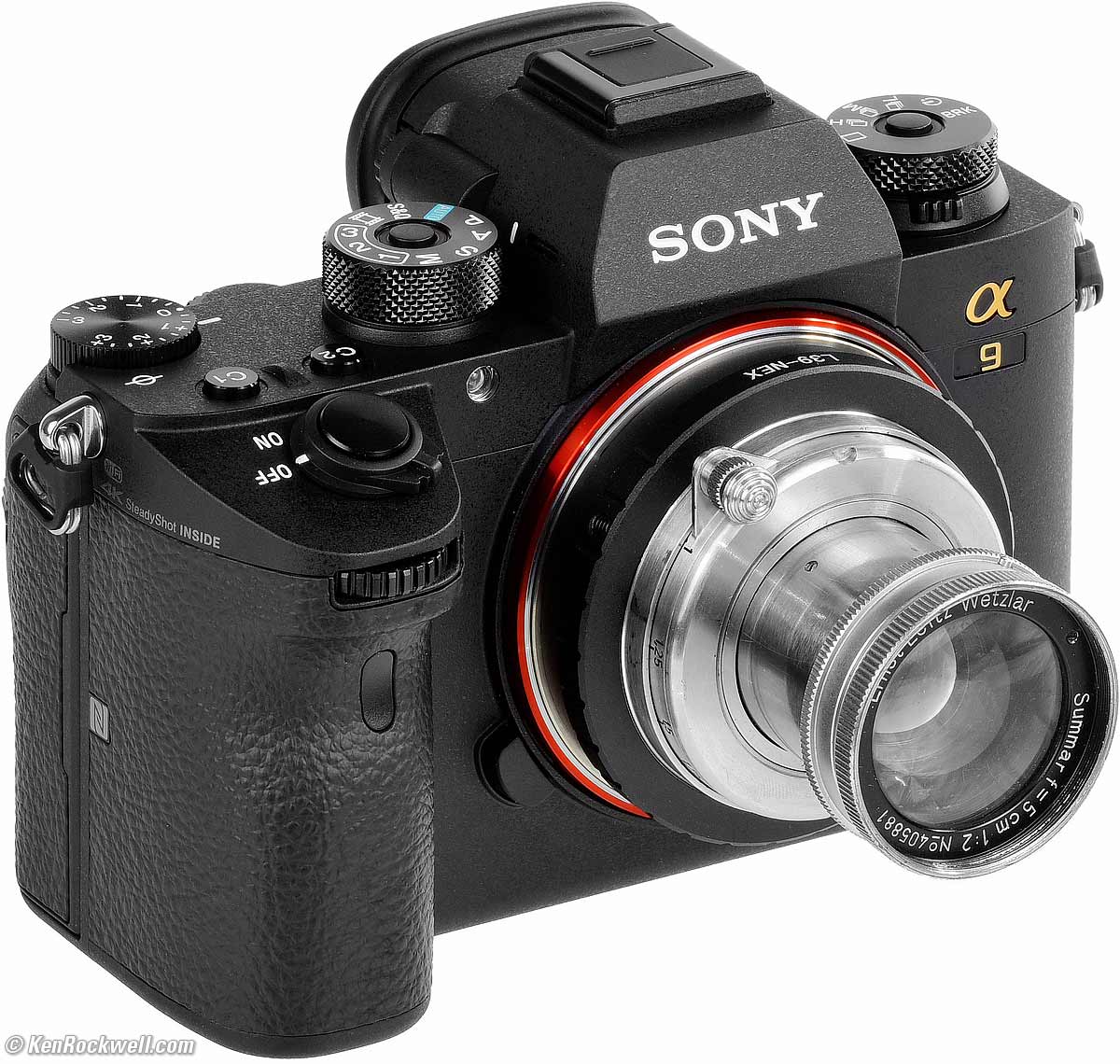
2017 Sony A9 and 1937 LEICA SUMMAR 5cm f/2. bigger.
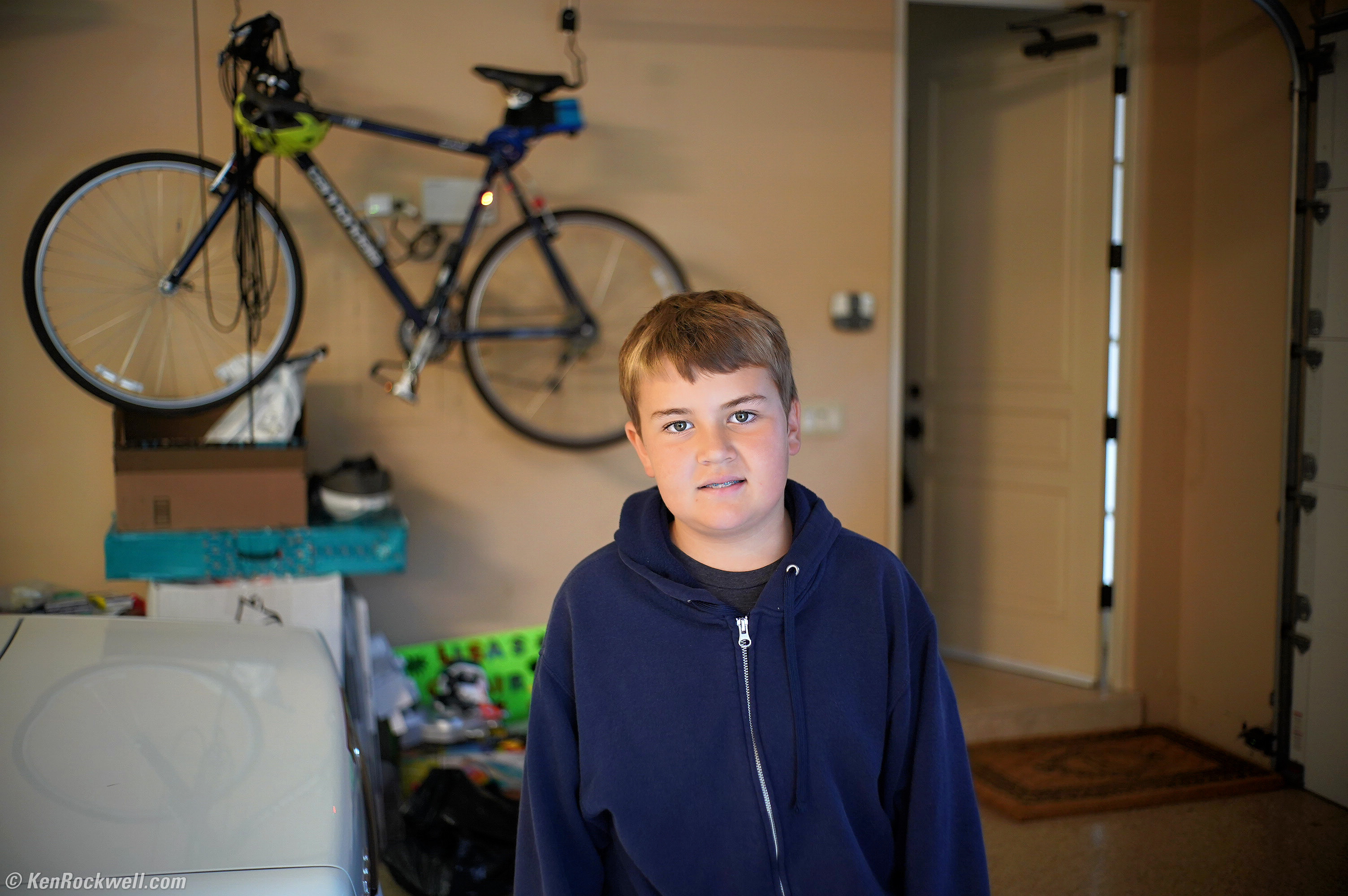
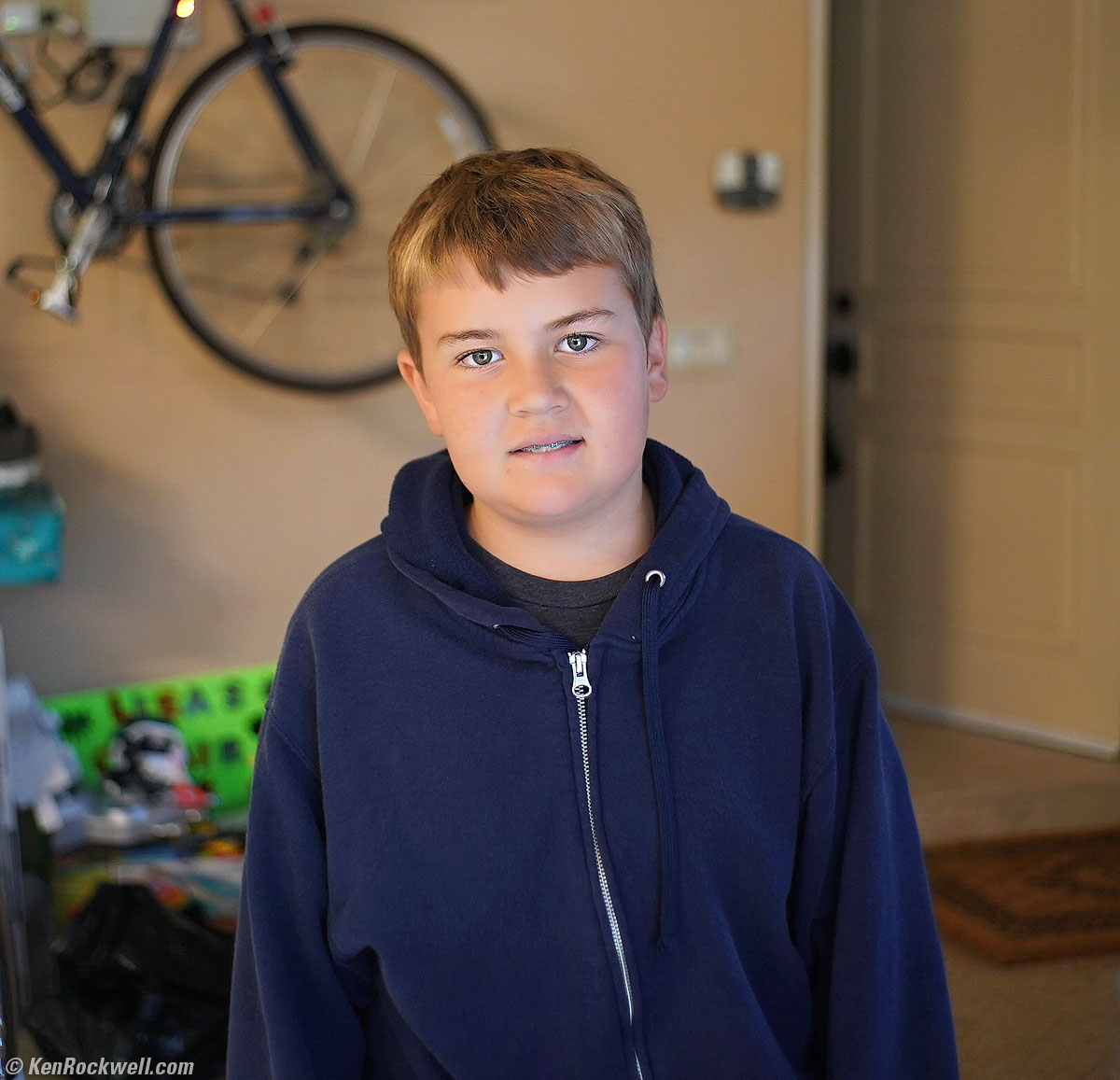
Ryan on his way to school, 07 June 2017. 2017 Sony A9 with 1990 LEICA SUMMICRON-M 35mm f/2 at f/2 at 1/125 at Auto ISO 1,250. bigger or full-resolution © file.
This is shot in my garage, half-lit from an open door to an overcast sky, half lit by warm white fluorescent, and the third half is lit by cool-white — and it all comes out looking perfect in this quick grab shot in Auto White Balance with an amazing glow.
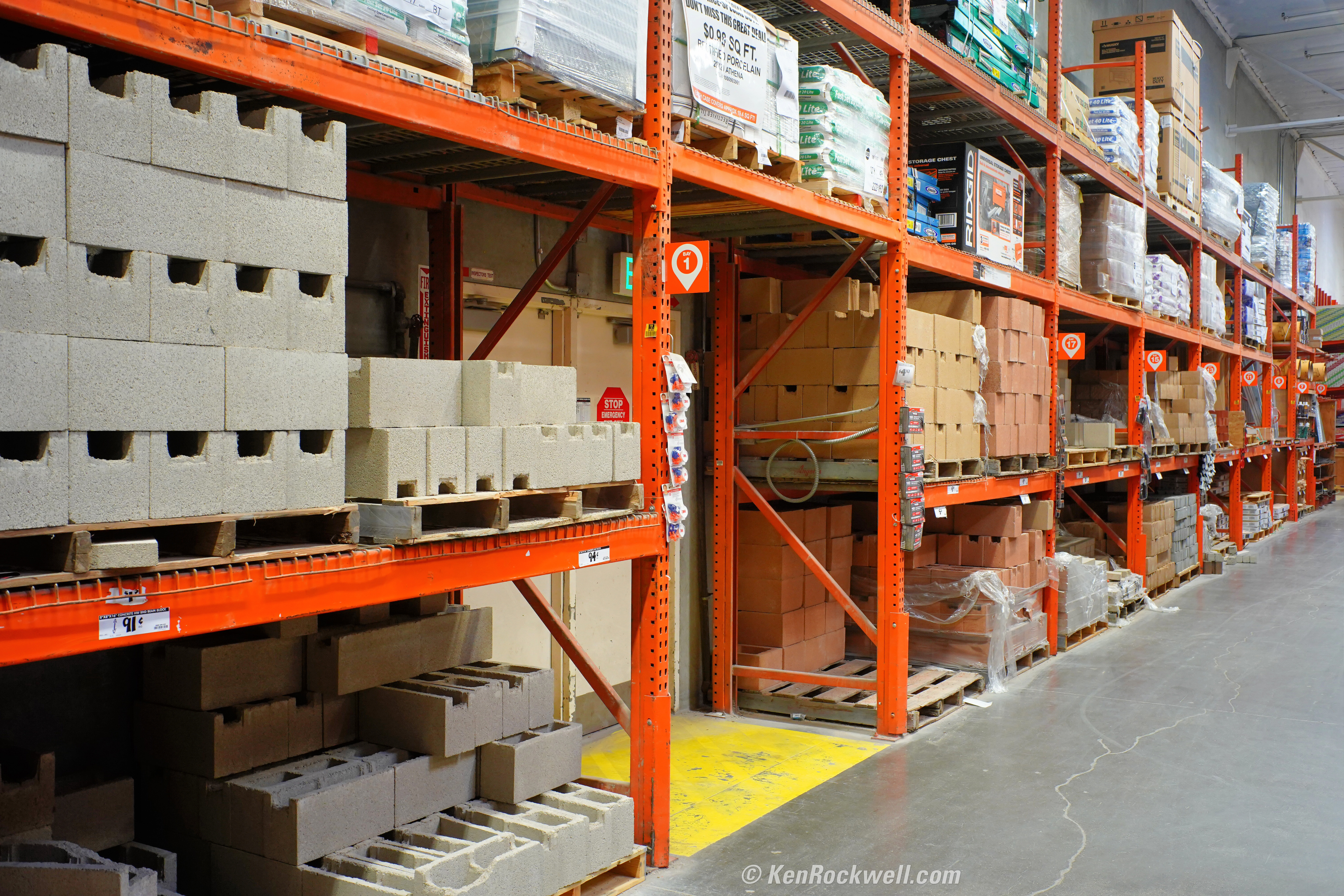
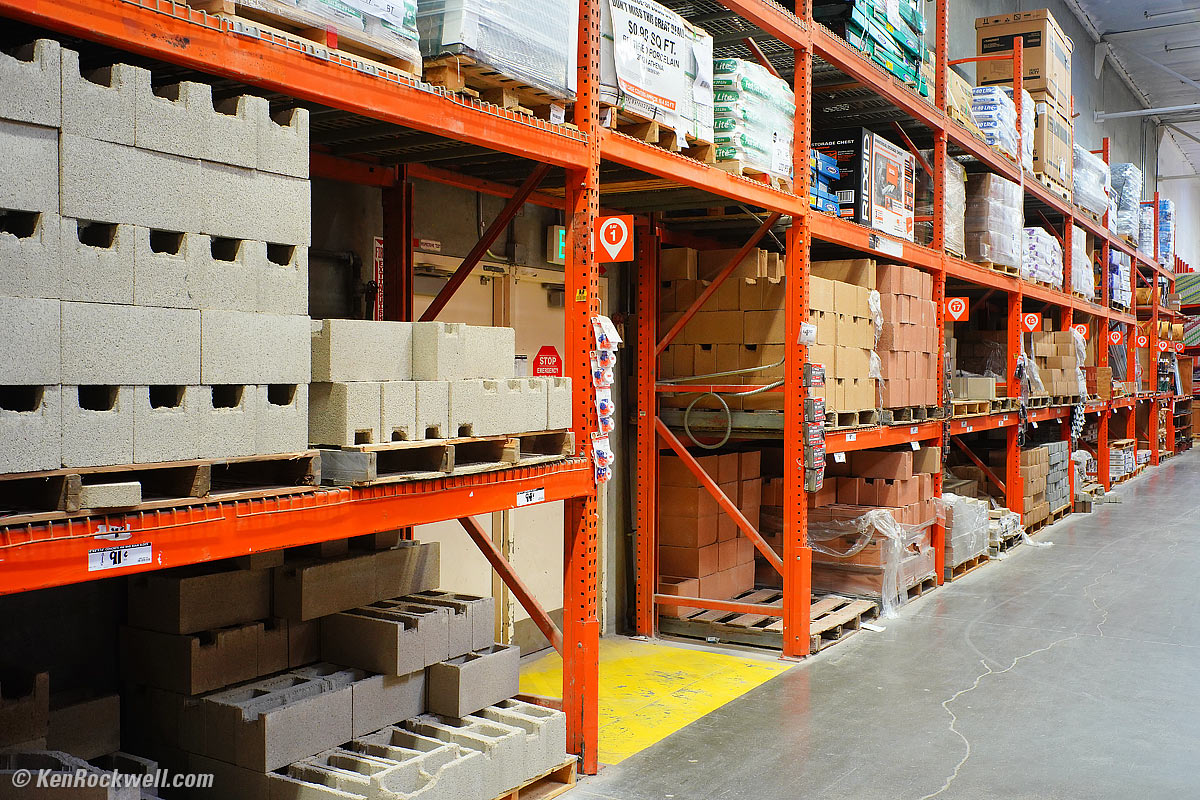
Store, 07 June 2017. 2017 Sony A9 with 1990 LEICA SUMMICRON-M 35mm f/2 at f/8 handheld at 1/15 at Auto ISO 1,600. bigger or full-resolution © file.
Silent shooting: no one asks why I'm taking pictures of concrete. Sensor-stabilization makes it easy to hand hold at 1/15.
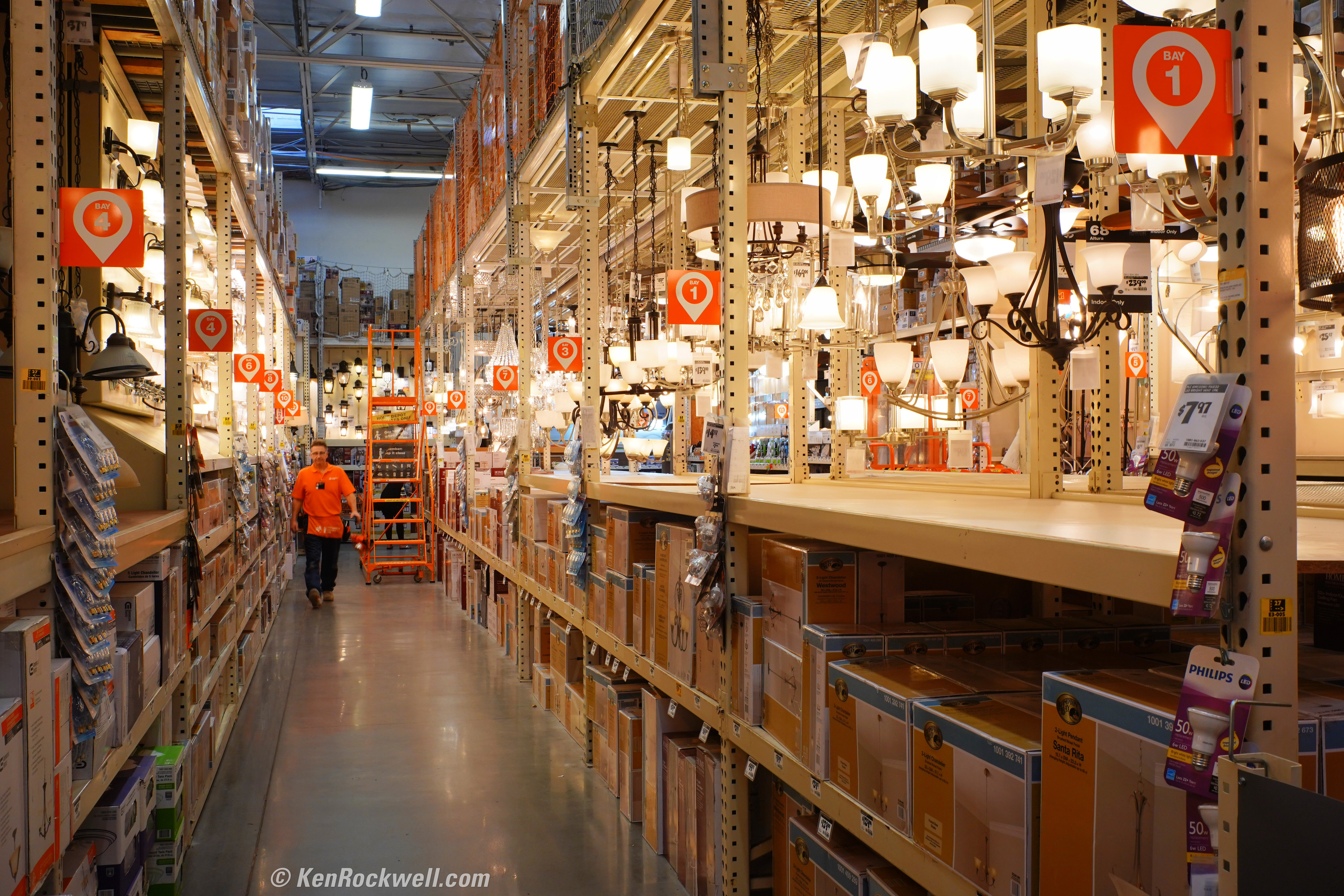
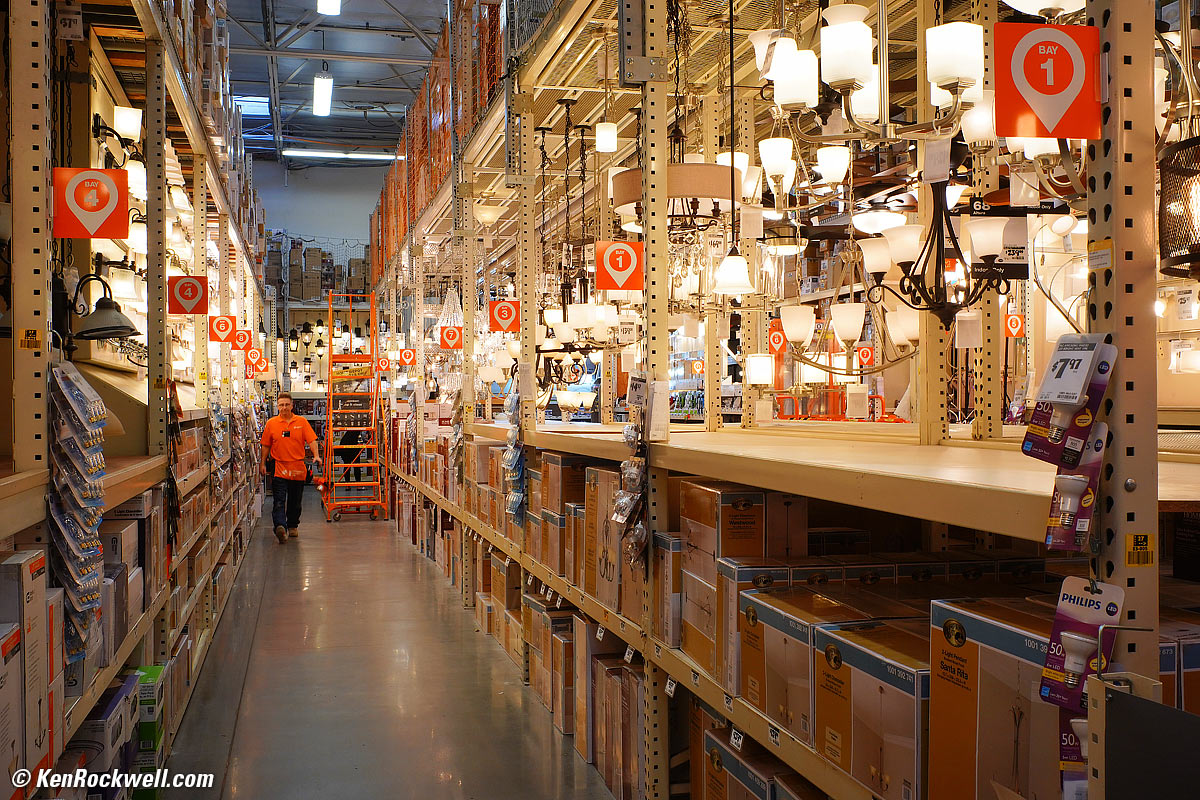
Lighting Store, 07 June 2017. 2017 Sony A9 with 1990 LEICA SUMMICRON-M 35mm f/2 at f/8 handheld at 1/15 at Auto ISO 640. bigger or full-resolution © file.
Silent shooting: no one asks why I'm taking pictures, period. Sensor-stabilization makes it easy to hand hold at 1/15.
While LEICA lenses are the world's finest, they are not designed for the curved fields or rear nodal point positions optimized for the Sony cameras, and like all other adapted lenses, perform more poorly than Sony's own lenses because the sides and corners often aren't in proper focus.
LEICA lenses of 35mm and wider aren't as sharp as they should be at the sides when shot on Sony. They sharpen up as stopped down, but if you want great results, use LEICA lenses on a LEICA camera, or use Sony's lenses on Sony cameras. It all has to do with the specific alignment of sensor micro lenses and layer configuration towards the sides of the sensor.
Summary lenses top
Stick with Sony's own FE full-frame lenses if you care about anything. Sony's GM lenses are especially excellent in every way.
Adapting lenses of other brands, even though these lenses may be state-of-the-art on those manufacturers' cameras, probably won't be that breathtaking on Sony — or on any other camera of a brand different than the lens' own manufacturer. Stick to Sony's G and GM lenses on the A7 V and you won't go wrong.
Specifications top
Sample Images Intro New Good Bad Missing
Lenses & Adapters Specifications Accessories
Performance Compared User's Guide Recommendations
I'd get mine at B&H, at Crutchfield, at Adorama or at Amazon, or get it as a kit with the new FE 28-70mm OSS II at B&H, at Crutchfield or at Adorama, or get it used if you know How to Win at eBay, or get it used at KEH.
Sensor
32.74 MP full-frame 23.9 × 35.9mm CMOS sensor.
4,672 × 7,008 (32,741,376) pixels, native.
1.5:1 aspect ratio.
"Up to" 16-stop dynamic range.
Ultrasonic cleaner and anti-static coating.
Mechanical "5-axis" sensor-shift stabilizer.
Crop Modes specifications top
4:3, Square and 16:9 crops from the above.
Still Formats specifications top
JPG, raw & HEIF.
Autofocus specifications top
759 point on-sensor phase-detection.
425 points contrast-detection.
Hybrid AF uses phase-detection for speed and fine-tunes with contrast detection when it can.
AF range LV -4 to +20 with an f/2 lens.
LED illuminator, 1 ~ 10 feet (0.3 ~ 3m) range.
5.5x and 11x magnifiers.
Electronic Viewfinder specifications top
0.78x with 50mm lens.
100% coverage.
0.5" (13mm) OLED.
3,686,400 dots.
60 or 120 FPS.
Auto and manual brightness control.
5 steps of manual color temperature shift.
-4 to +3 diopters.
Eyepoint: 18.5mm from the eyepiece frame, 23mm from the eyepiece.
Light Meter specifications top
1,200 zone evaluative, entire screen Averaging, Center-Weighted, Spot, Spot standard or large or highlight-weighted.
Meter range LV -3 to +20 with an f/2 lens.
Shutters specifications top
Vertical metal mechanical focal-plane, or silent electronic.
1/8,000 to 30s and Bulb, to 1/16,000 with electronic shutter.
Sync Speed
1/250 flash sync with mechanical shutter.
1/320 flash sync in APS-C crop.
NO sync with electronic shutter.
Buffer Depth specifications top
Rated up 185 JPG or 95 raw shots at 30 FPS.
Rated up 10,000 shots at 10 FPS.
ISO (manual setting) specifications top
Stills, regular mechanical or silent electronic shutterISO 100 ~ 51,200.
ISO 50 ~ 204,800 pushed or pulled.
Video
Regular: ISO 100 ~ 51,600.
Pushed: ISO 100 ~ 102,400.
Auto ISO specifications top
Only ISO 100 ~ 12,800 in Auto ISO.
Storage specifications top
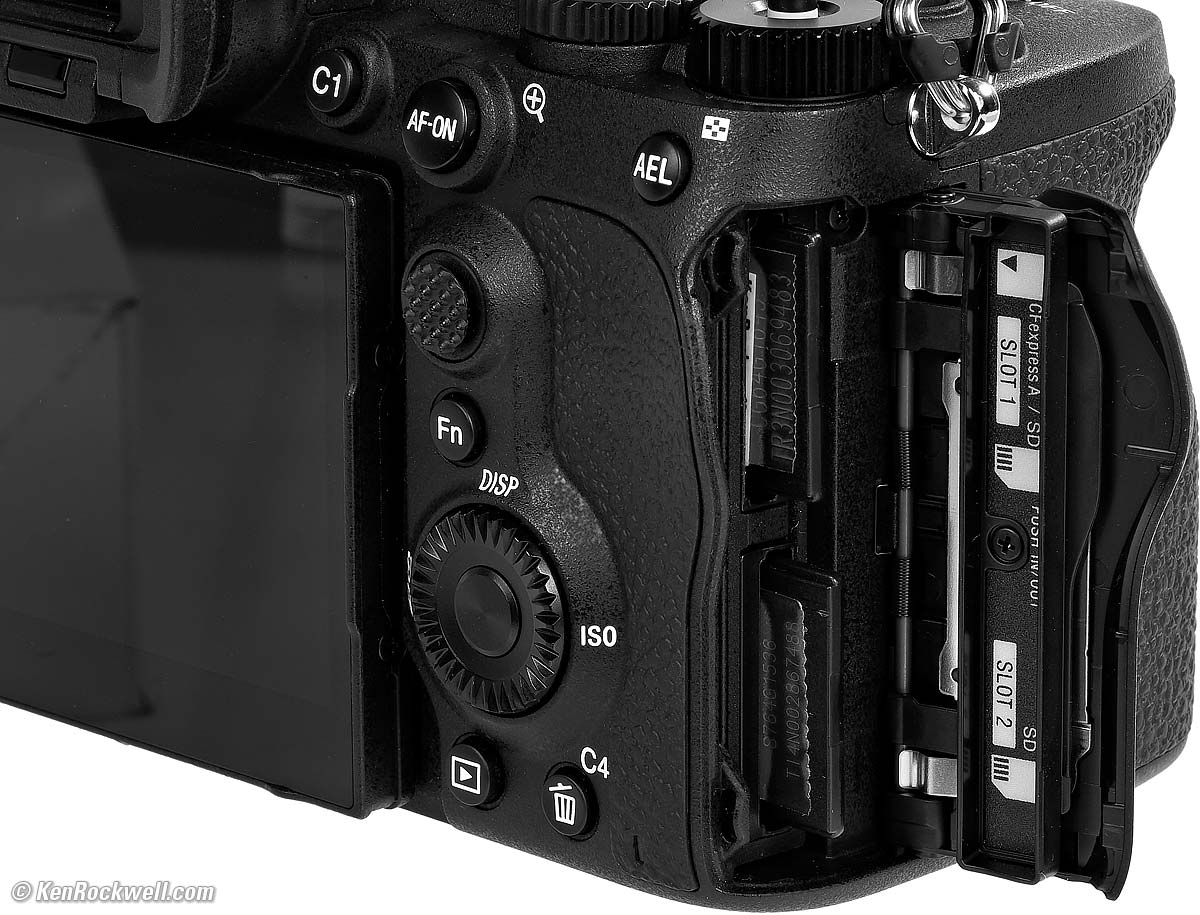
Two slots:
Slot 1: SD card (SD, SDHC and SDXC, UHS-I and UHS-II compliant) or an expensive Sony-specific CFexpress type A card (the less-expensive CFexpress type B cards do not fit!).
Slot 2: SD card (SD, SDHC and SDXC, UHS-I and UHS-II compliant).
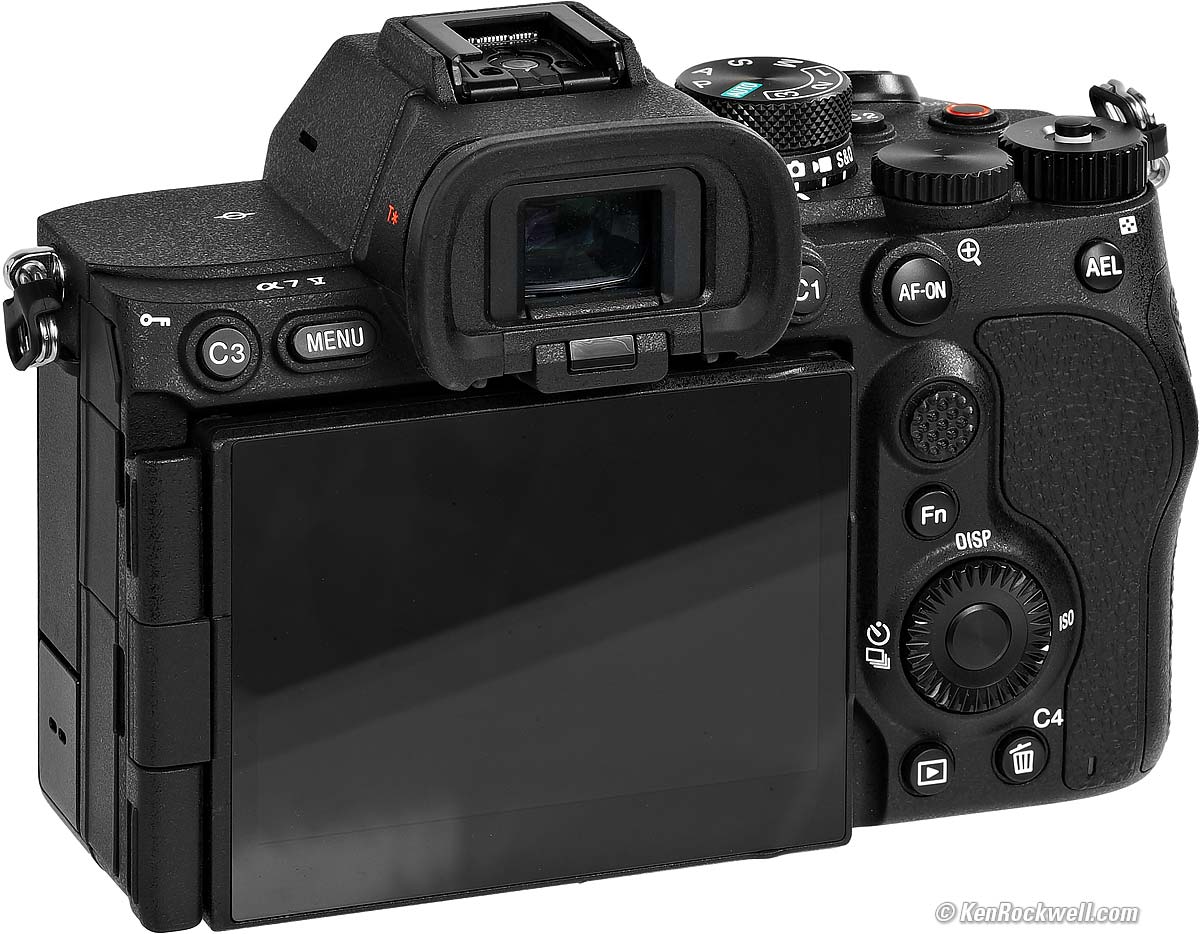
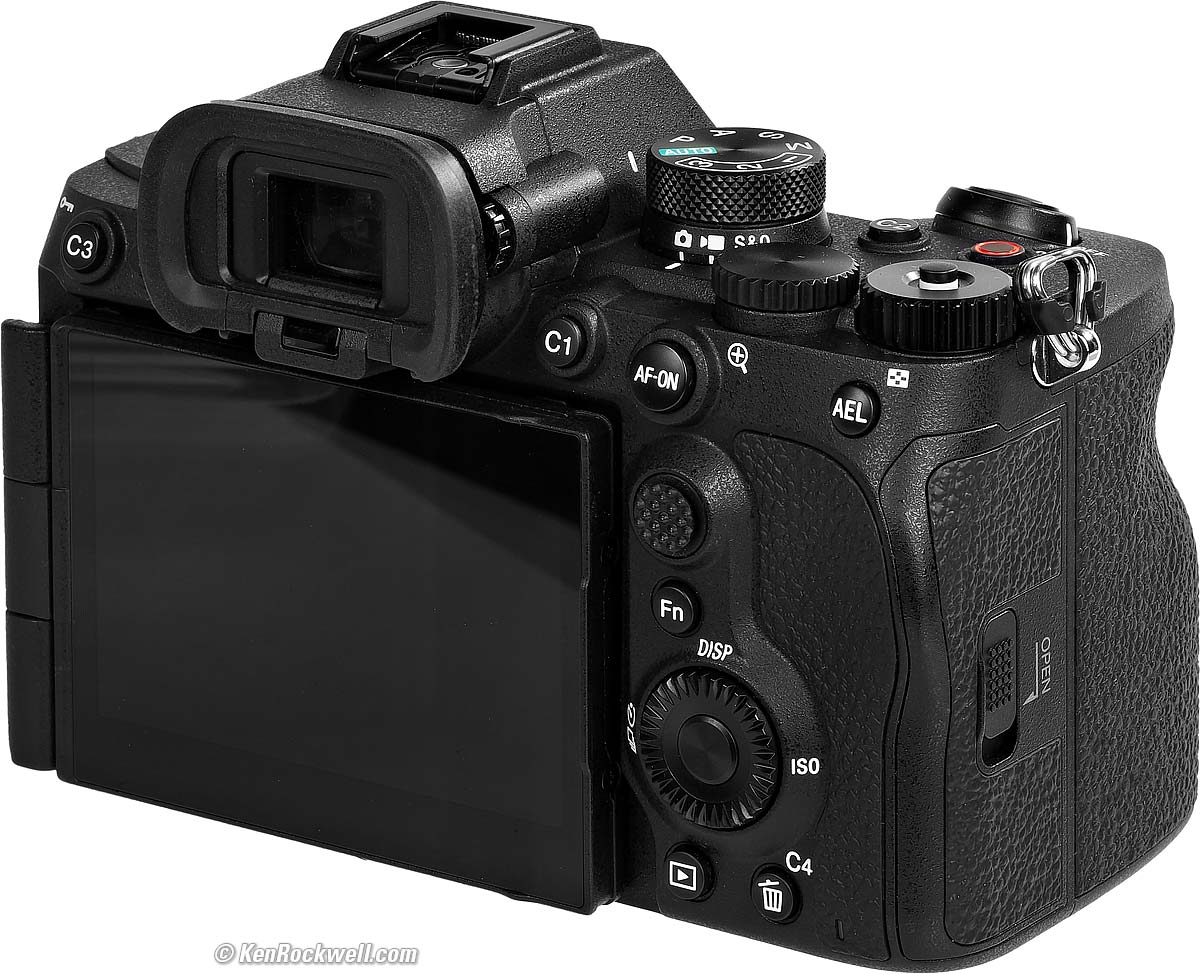
The SD cards face the wrong way, so in the photo above all you see is their backs. The SD card labels face the card door where you can't see them.
LCD specifications top
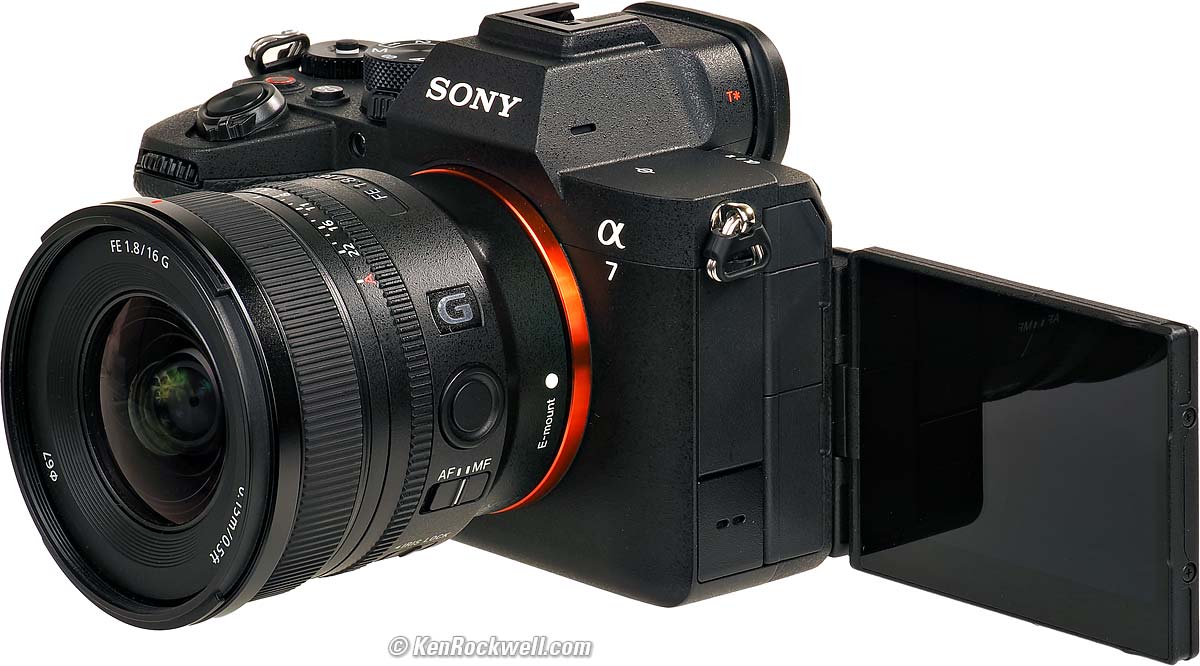
The Flippy Screen Flips This Way. bigger.
~ or ~
The Flippy Screen Can Do This as Well. bigger.
3.2" TFT LCD.
2,095,104 dots.
Flips 180º for self-portraits as shown.
Flips up 180º or down 45.º
Manual brightness control only. There is a "Sunny" mode, too.
Touch screen to move focus area, but not for menus or playback.
Connectors specifications top
|
|
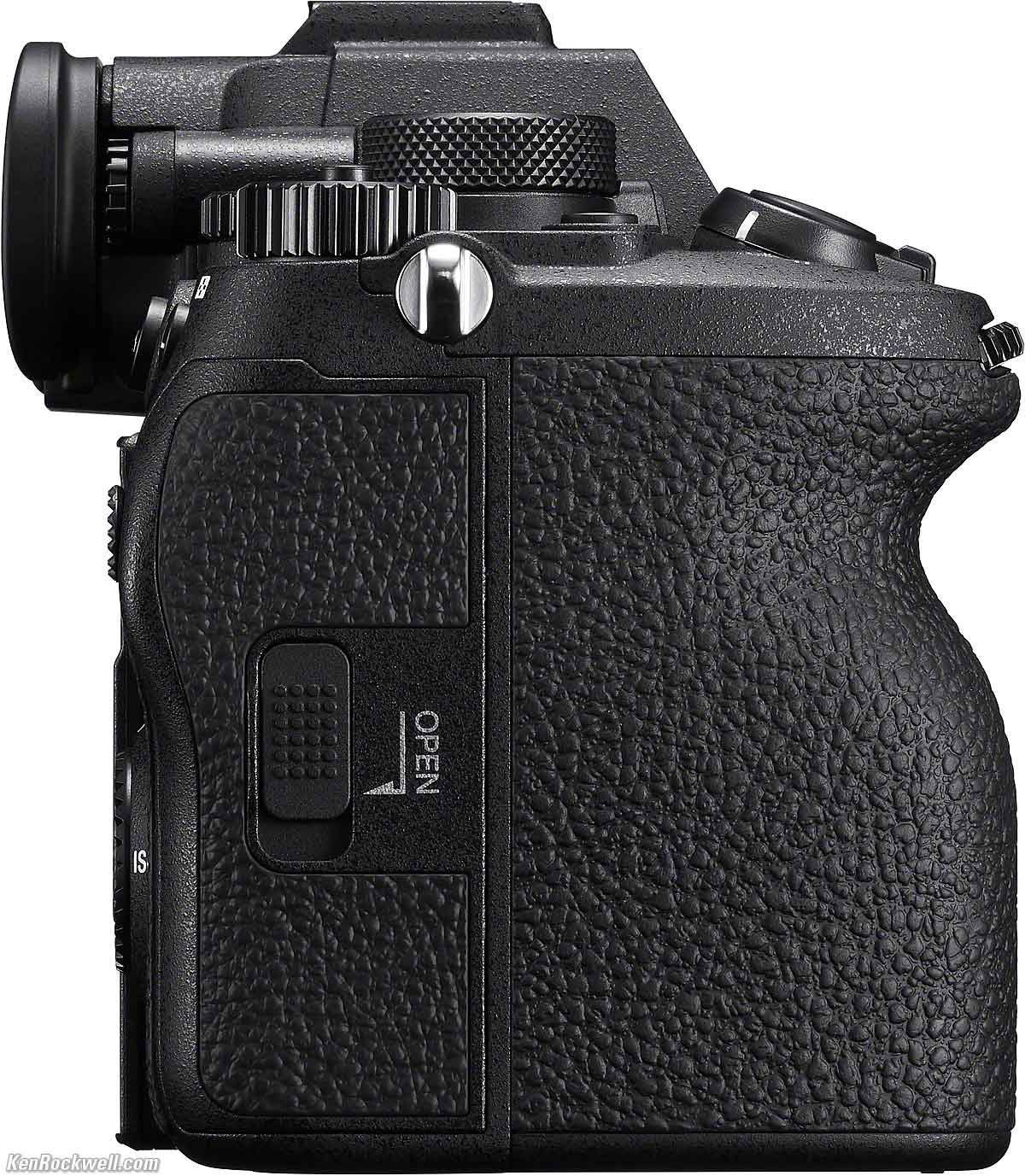
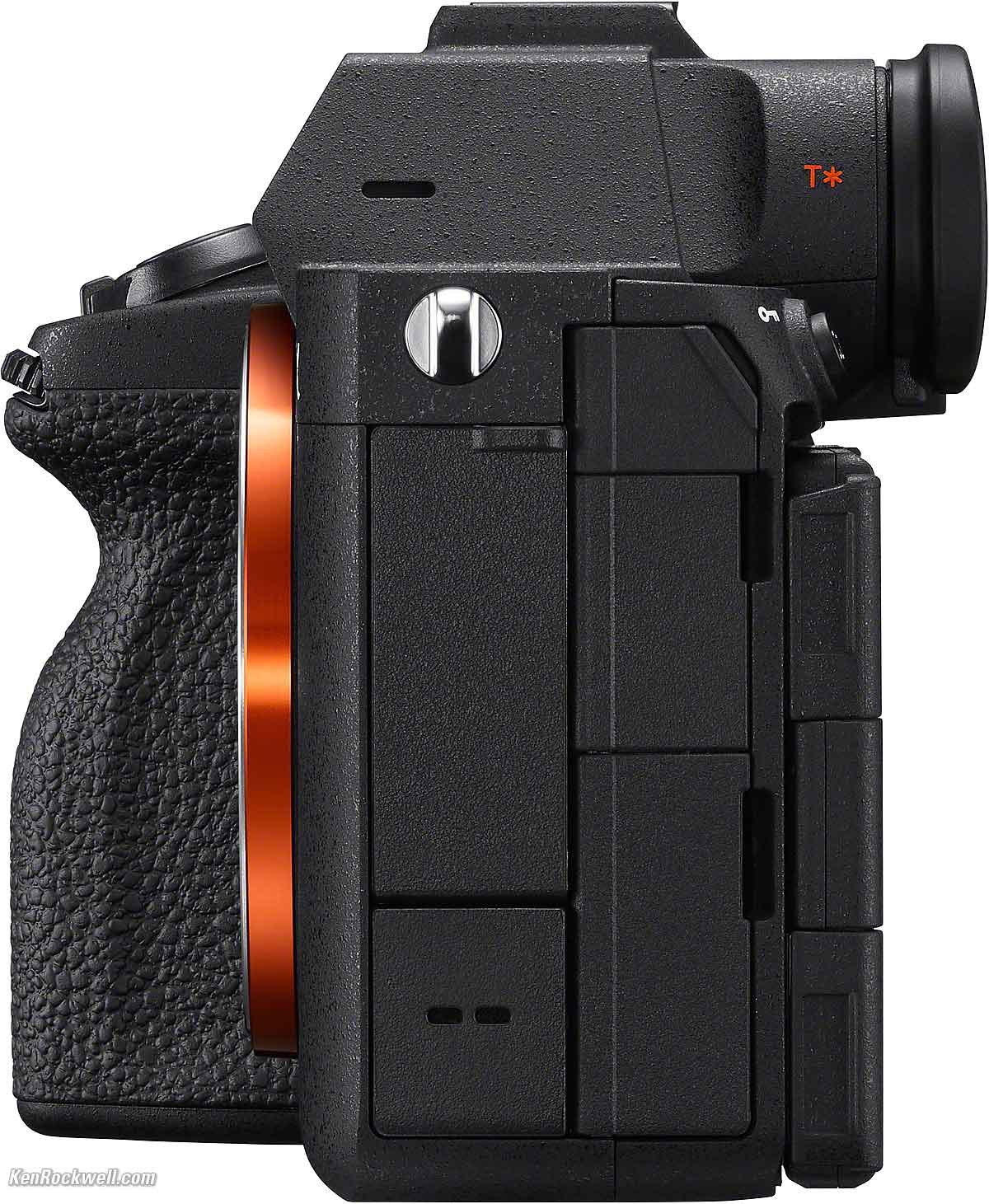


The covers are unmarked, so like Mystery Meat or an advent calender, you have to open each to find what's inside:
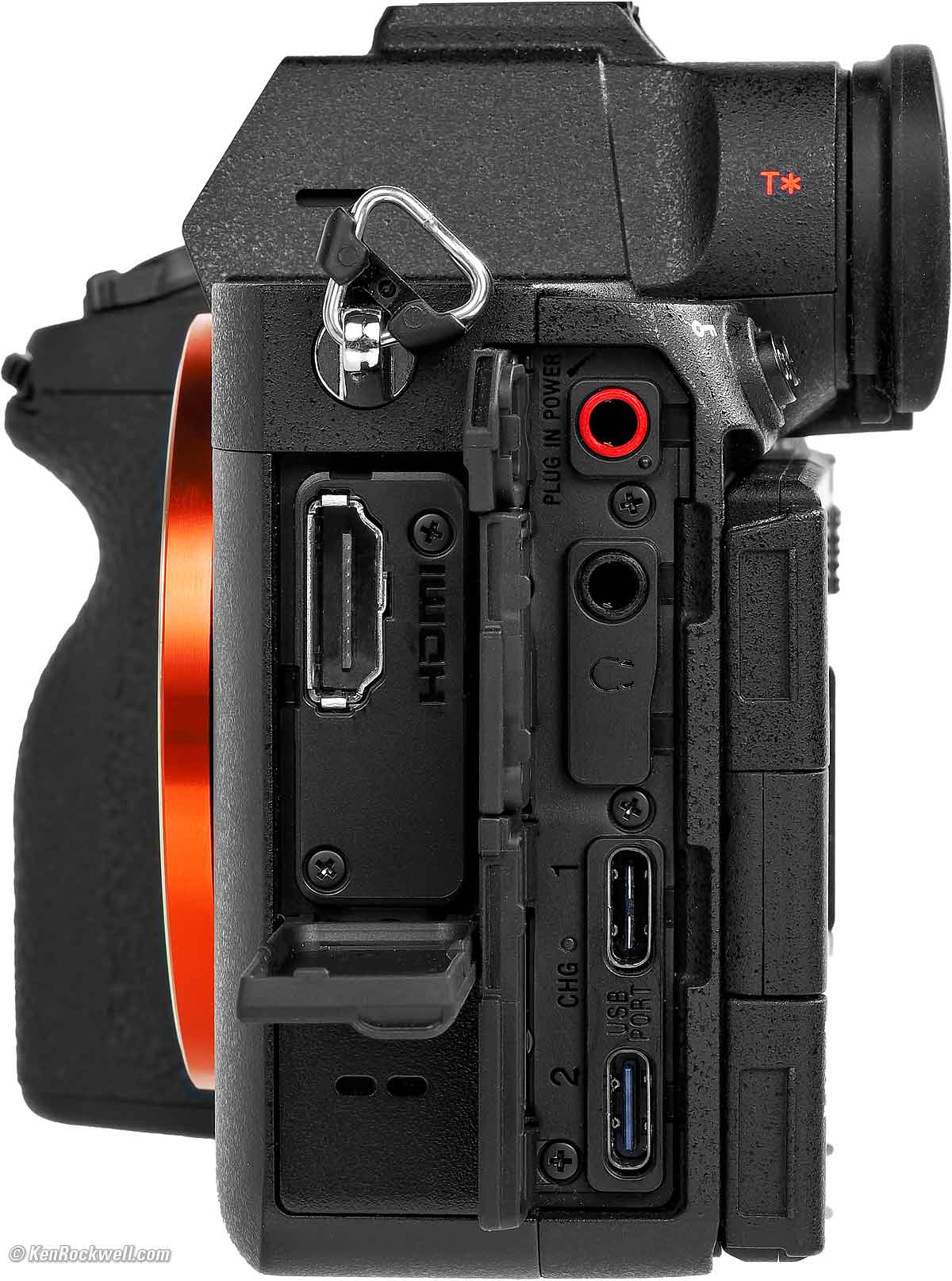
Sony A7 Mk V Connectors. bigger.
Left Side
Full size HDMI.
Right side, from top down
3.5mm microphone jack with plug-in power.
3.5mm stereo headphone jack.
USB-C.
USB-C, again.
WiFi specifications top
2.4, 5 & 6 GHz.
NFC specifications top
NONE; although it was in the A7 III.
Bluetooth specifications top
v6.0.
Battery specifications top
Sony NP-FZ100 rechargeable lithium ion battery included.
Rated 630 still shots with the viewfinder (CIPA).
Rated 750 still shots with the rear LCD (CIPA).
or
130 minutes of video (210 minutes using the rear LCD), CIPA.
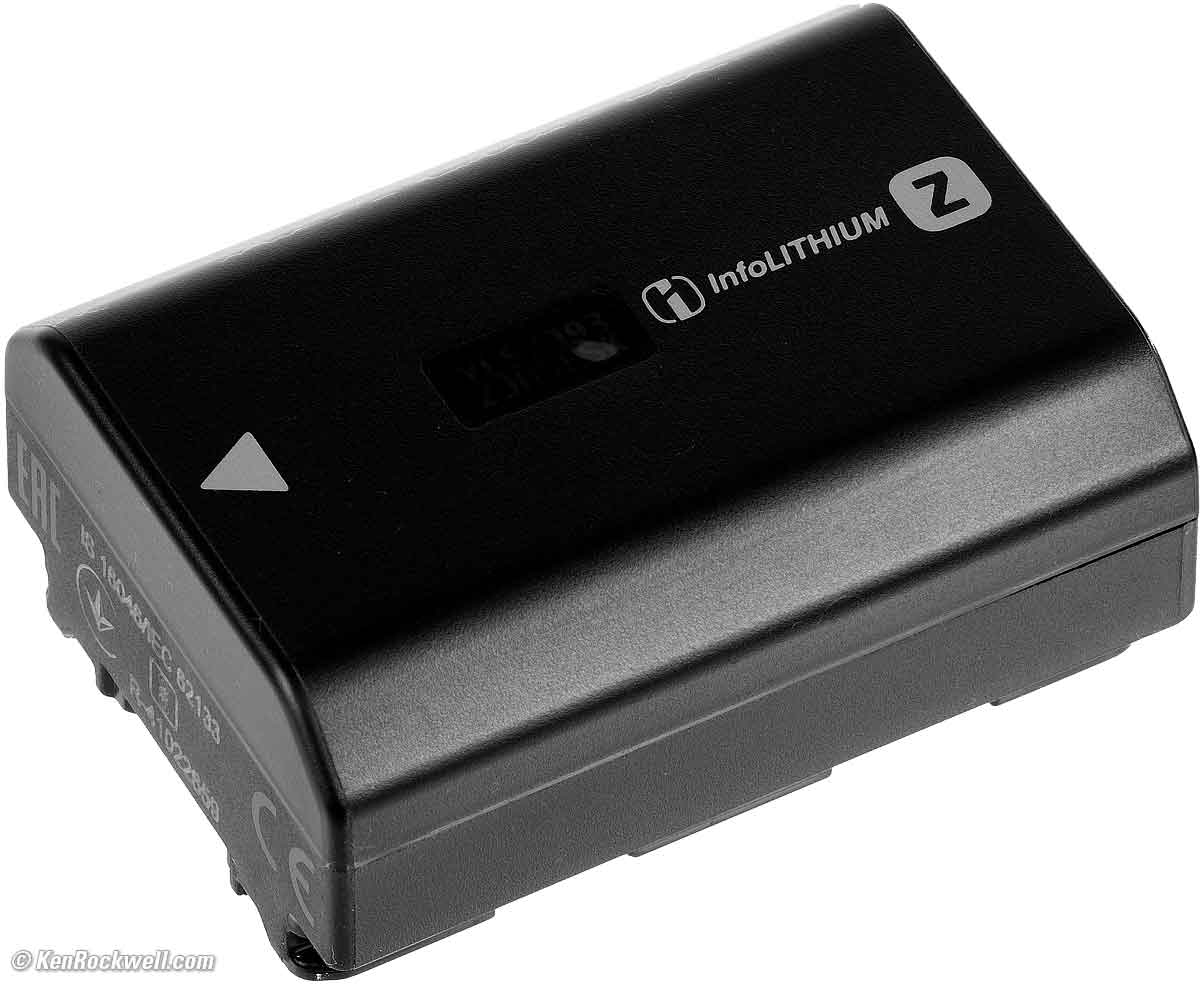
Sony NP-FZ100 battery. enlarge.
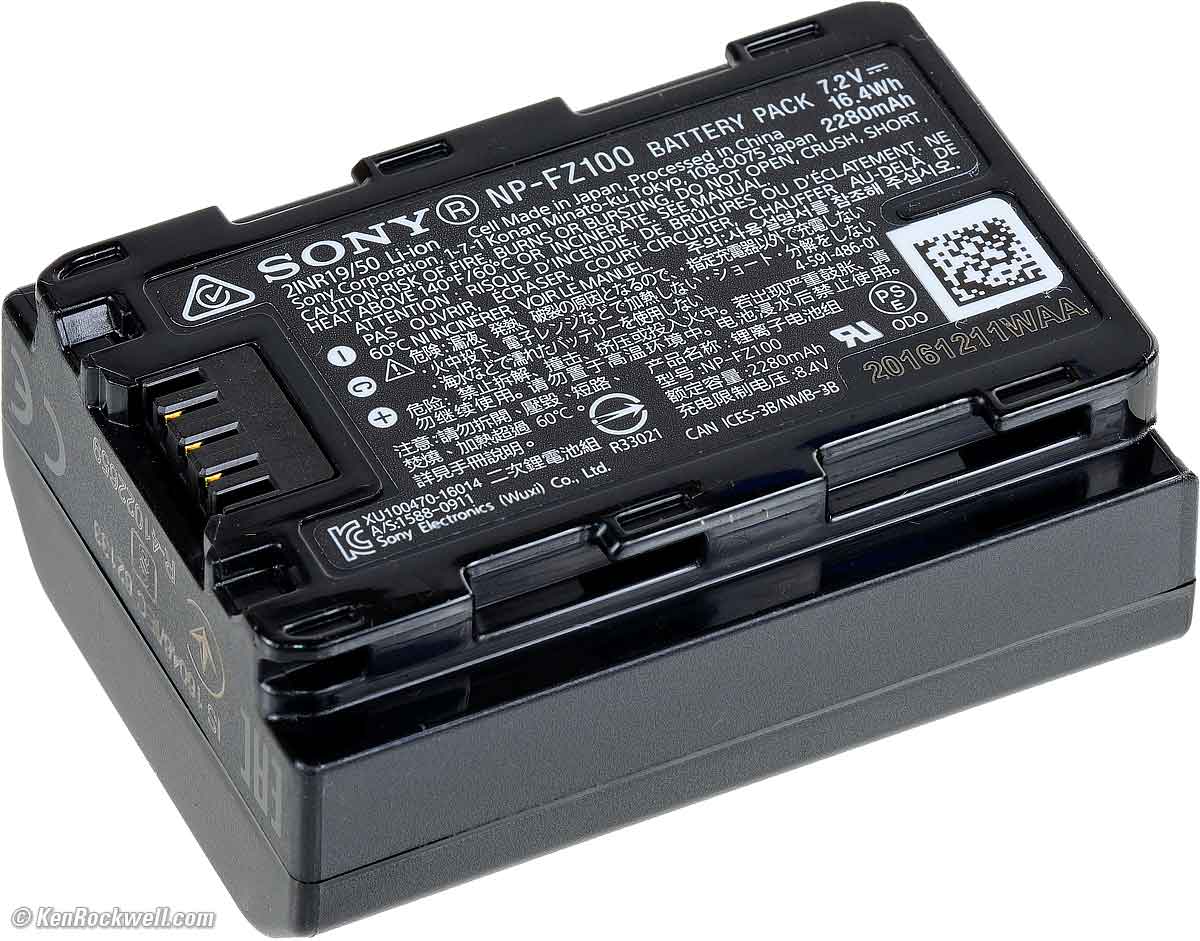
Sony NP-FZ100 battery. enlarge.
It's 7.2V, 2,280 mAh, 16.4 W.
Charging specifications top
The A7 V charges its battery in-camera via USB.
AC Adapter specifications top
Just plug your camera into any USB source — easy!
Camera Power Consumption specifications top
With Viewfinder
Consumes 3.1W for stills; 4.7W for video.
With Rear LCD
Consumes 2.6W for stills; 4.7W for video.
Size specifications top
3.80 x 5.13 x 3.24 inches HWD.
96.4 x 130.3 x 82.4mm HWD.
These are including the grip and the eyecup.
Weight specifications top
24.5 oz. (695g) with battery and card.
Operating Temperature specifications top
0 ~ 40º C (32 ~ 104ºF).
Quality specifications top
Production dumped to Thailand, not made domestically in Japan.
Announced specifications top
02 December 2025.
Promised for specifications top
19 December 2025.
Included specifications top
A7 V camera.
ALC-B1EM Body Cap, attached.
FDA-EP18 eye cup, attached.
Black plastic hot shoe cover, attached.
Shoulder strap.
NP-FZ100 rechargeable lithium ion battery.
Warranty paperwork.
Price specifications top
29 December 2025
Body Only: $2,898 at B&H, at Crutchfield, at Adorama and at Amazon.
Kit with the new FE 28-70mm OSS II: $3,098 at B&H, at Crutchfield and at Adorama.
02 December 2025 (Introduction)
Kit with the new FE 28-70mm OSS II: $3,098 at B&H and at Adorama.
Accessories top
Sample Images Intro New Good Bad Missing
Lenses & Adapters Specifications Accessories
Performance Compared User's Guide Recommendations
I'd get mine at B&H, at Crutchfield, at Adorama or at Amazon, or get it as a kit with the new FE 28-70mm OSS II at B&H, at Crutchfield or at Adorama, or get it used if you know How to Win at eBay, or get it used at KEH.
If not otherwise listed, the A7 V generally takes the same accessories as its A9 II, A7R V and A7S III brethren.
Included
Optional
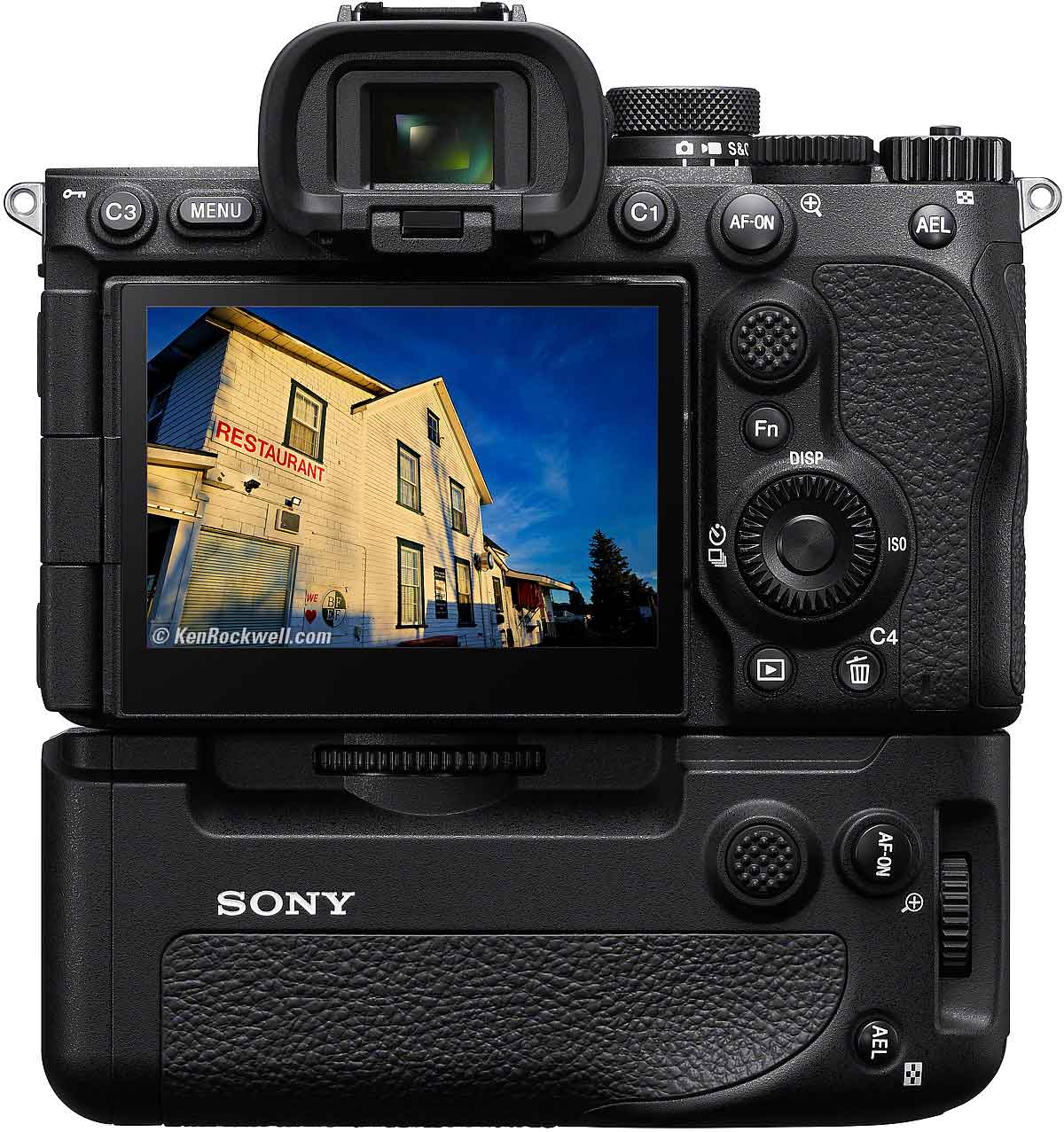
Sony A7 Mk V and VG-C4EM Vertical Battery Grip. bigger.
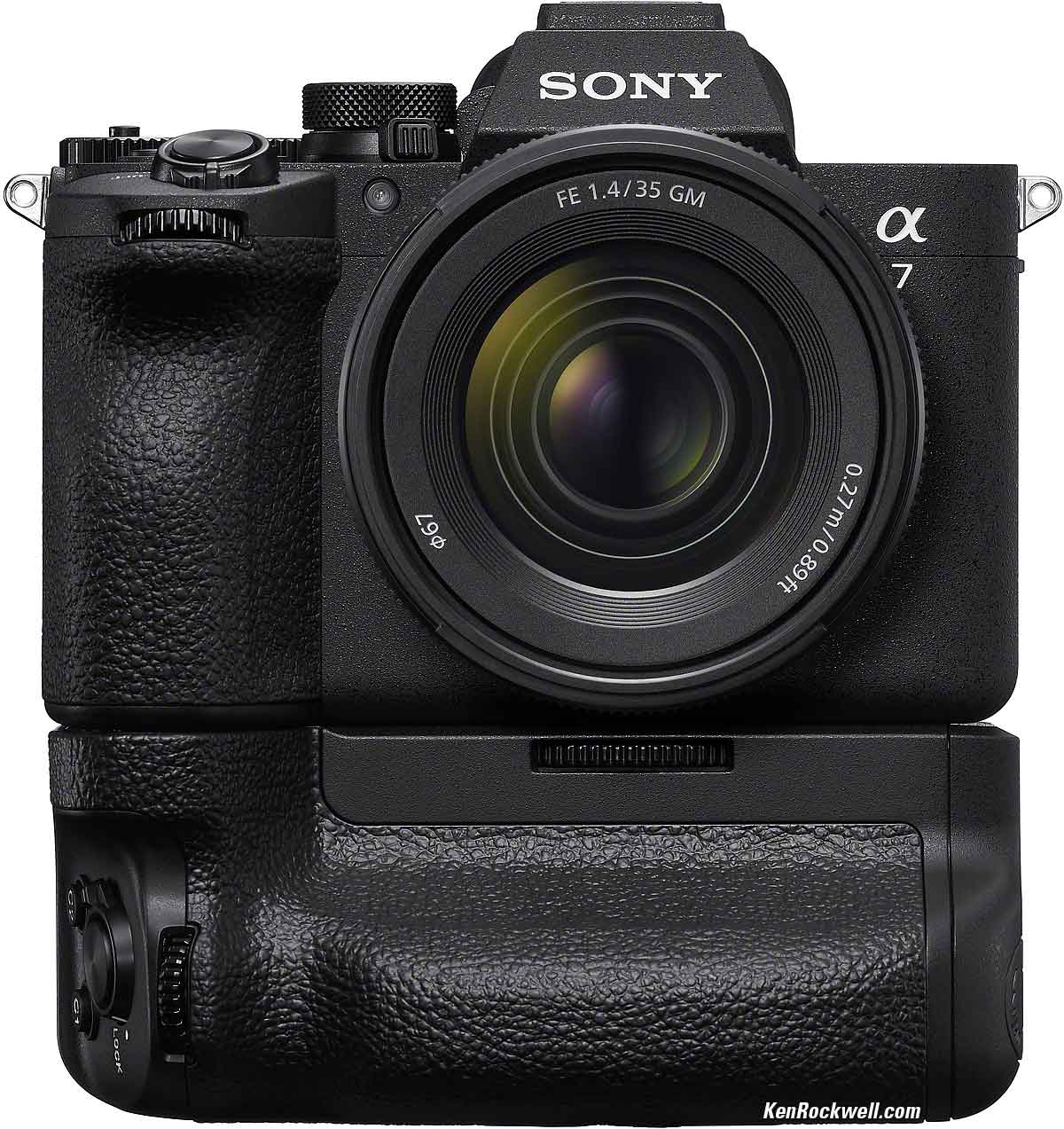
Sony A7 Mk V and VG-C4EM Vertical Battery Grip. bigger.
VG-C4EM Vertical Battery Grip
The older VG-C3EM doesn't fit.
Sony BC-QZ1 Battery Charger
This is a good charger.
If you get this external charger you can charge two batteries at once; one in the camera via USB and the other in this charger.
Although I prefer a folding plug charger, this universal corded charger works anywhere with the right cord.
A nice feature is the three-segment battery status indicator. It shows about 2/3 charged here:
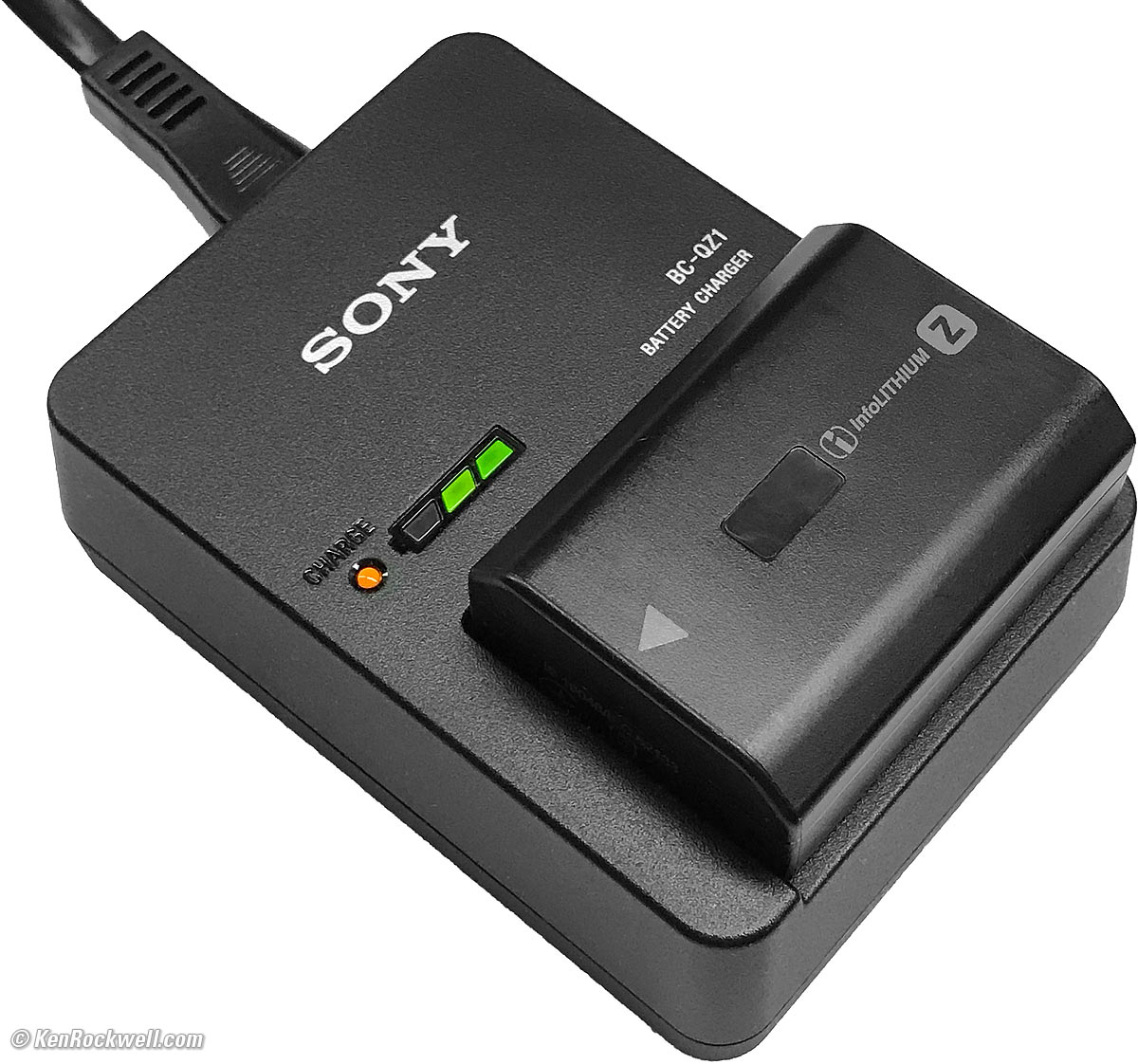
Sony BC-QZ1 Battery Charger with NP-FZ100 battery. bigger.
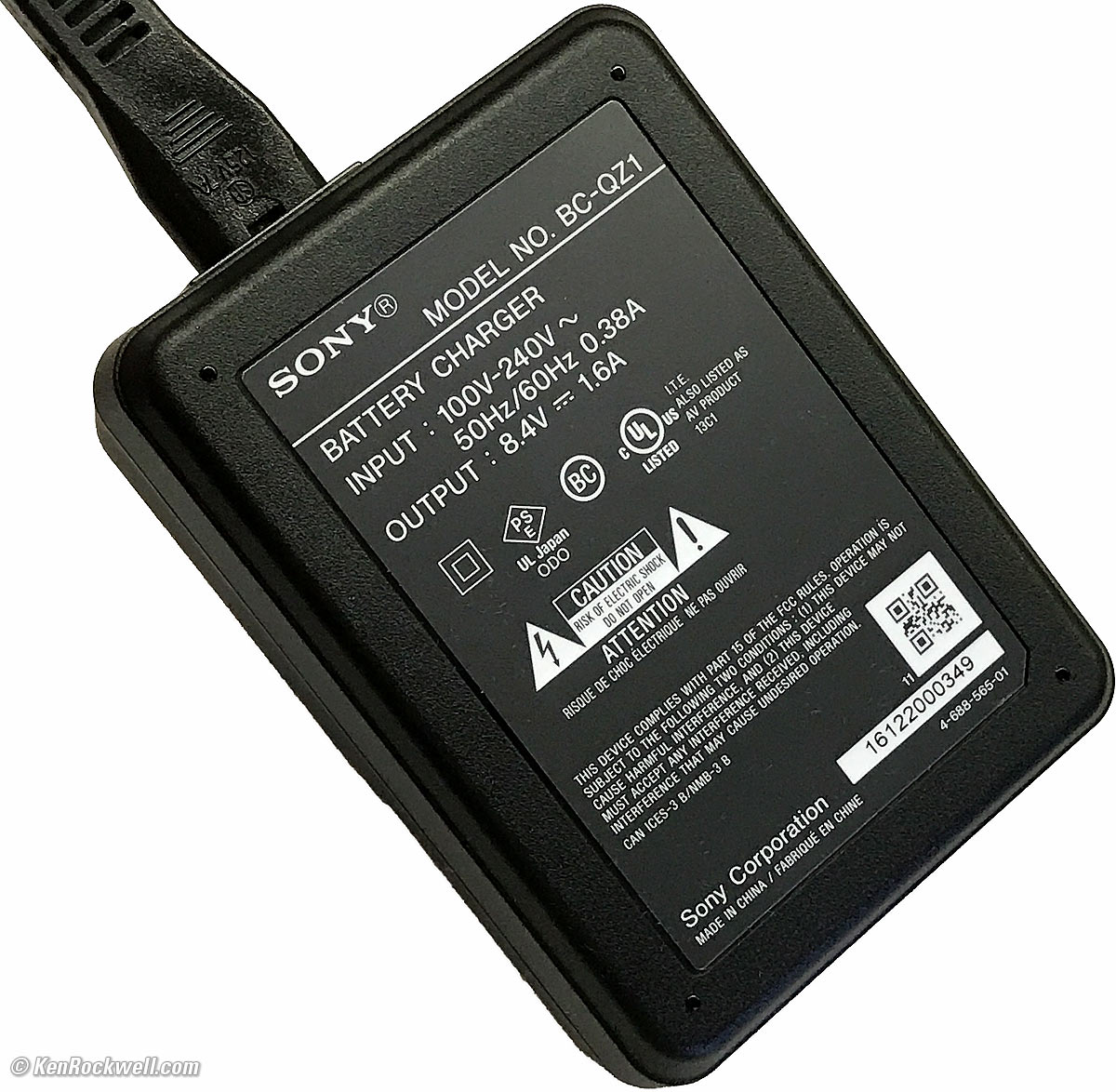
Sony BC-QZ1 Battery Charger. bigger.
Performance top
Sample Images Intro New Good Bad Missing
Lenses & Adapters Specifications Accessories
Performance Compared User's Guide Recommendations
Overall Autofocus Focus Stacking Auto ISO
Auto White Balance Color Rendition Crop Modes
Ergonomics Exposure Film Simulations Finder
High ISOs Mechanics Playback Power & Battery
I'd get mine at B&H, at Crutchfield, at Adorama or at Amazon, or get it as a kit with the new FE 28-70mm OSS II at B&H, at Crutchfield or at Adorama, or get it used if you know How to Win at eBay, or get it used at KEH.
Overall performance top
It's the same as other Sony cameras: technically advanced, but hampered by bloated menus, uncomfortable ergonomics and only so-so color rendition. Of course color rendition is an extremely personal choice, but I greatly prefer Canon, Nikon or iPhone for the vivid colors I demand right out of the camera, and all of those are also much faster, easier and more comfortable to shoot — at least to my taste. À chacun son goût.
Autofocus performance top
Autofocus is the usual competent system we expect from Sony.
Sony makes me laugh; they always go on with each new camera about the genuinely more advanced technology they've developed for sensors and autofocus (Sony has been a world leader in electronic imaging since the 1960s and has been making CCD sensors since the 1970s!), while I've always been perfectly happy with the AF performance of every Sony camera.
Focus Bracketing, Stacking & Compositing performance top
While it can shoot automatic focus-bracketed sequences, I can't find any way to stack them in-camera into one complete image as other brands like Canon and OM SYSTEM can do.
Auto ISO performance top
Auto ISO has all the usual settings, good!
Auto White Balance performance top
Auto White Balance is great, as usual with most mirrorless cameras.
Color & Tonal Rendition performance top
Color rendition is how pictures look in the real world. Real-world color rendition has nothing to do with color accuracy measured in a lab. Color rendition is dependant on how a maker programs all the color matrices, curves, and look-up tables to generate color from the data read from the sensor, and varies widely between makers once you set a camera away from its defaults. I never shoot at defaults.
If you shoot raw data rather than JPG images, then your colors and tones aren't created until you process the raw data later in software, and your choice of software will have as much effect on your images as the camera itself.
Color preferences are very personal choices. While I can get great pictures with Sony cameras, I get more great pictures with my Nikons, Canons and iPhones than Sony's cameras.
It's like pianos: anyone can talk forever about how pianos are made, but to most ordinary players the subtle variations between different samples of a Steinway Model D are eclipsed by their own limitations in playing, but when you're a virtuoso even subtle differences become obvious to the seasoned master. That's why when you buy, or choose a Steinway for your tour as a Steinway Artist, you go to Steinway's Astoria factory and pick from among several samples of the same model which suits your style best. To a master, the subtle details are everything, just like subtle differences in color rendition between different brands of camera. Art is not the duplication of reality; art is the expression of imagination.
I'm a seasoned working artist, not some online tweaker, YouTuber or tech blogger. COLOR is my life and work. I'm pickier about color than almost anyone; I see things most people don't. I can get photos that get oohs and ahhs with this camera, but I rarely, if ever, do I get to WOW! as often as I do with my Nikons and Canons.
This is just me; your preferences and results will vary. This is art.
Crop Modes performance top
It has all the usual 4:3, Square and 16:9 crops from the 3:2 sensor.
While this may not seem like a big deal, it's really sad that some of Nikon's top cameras like the Z8 lack the important 4:3 crop mode!
Ergonomics performance top
Typical for Sony, it's uncomfortable and feels like holding a VCR in your hand. All the edges are hard and square, not softly curved like Canon, Nikon and OM SYSTEM.
The menu system is bloated and confusing. It has over 60 different pages. It's difficult to find things again, typical for Sony. There is no "search" option to find settings, as we take for granted in iPhone. See also Menu Systems Compared.
The menu system doesn't always restart where you left it. For instance, if I have the Lens Corrections Menu up, make a shot and I hit the MENU button again while IMAGE REVIEW is active, I'm at some cockamamie Playback options menu instead of back at the Lens Correction menu where I want to be.
Compared to my very programmable TourBox Elite Plus, there are the usual limitations to programming button functions. Worse, I wasn't able to program the center button inside the rear control dial, also called the SET button on Canon cameras which we can program on playback.
If you turn it on, the electronic fake shutter sound is very smart and makes different sounds for opening and closing, so the musical among us can hear the actual shutter speeds. It sounds like a big, floppy medium-format SLR, not a tight and fast DSLR.
Exposure performance top
Exposure accuracy is very good. Few photos require any compensation, and then it's not more than ±⅔ stops.
Film Simulations performance top
These are new. They are selected among the Creative Looks options that appear in the menu that pops up after hitting the Fn button.
I don't find any of them attractive (just more ways to screw up an otherwise perfectly good photo), but this is art and if one gives you a look you love, bravo!
In olden days when all we had was film we'd have to pick carefully to get our look. Every brand was very different, and within each brand each film had a very different look. I'm a Velvia guy; your tastes will be different. I can't find any look here to match that.
Finder performance top
The finder has a very fine pitch (a high-resolution screen), however it doesn't get very bright outdoors.
I find it dimmer than other good modern cameras outdoors.
Automatic brightness control works great in other conditions.
Otherwise it's swell; no other surprises here.
High ISO Performance performance top
There's no mystery to comparing cameras; I shoot this same test at all the ISOs in every other camera I review so you can compare for yourself. Caveat: I repainted these walls white from their previous tan as of the beginning of 2023, so the background wall won't match in older reviews, and this set is lit by natural light which is different every day. Caveat 2: Today it was raining, and the white dots seen in the middle of the clock face are reflections from the lights of my Christmas tree.
Complete Images details flat field dark detail performance top
As seen at normal image sizes below, the A7 V pretty much makes the same images from ISO 50 (L) to ISO 25,600.
ISO 51,200 gets a little blotchier (low frequency chroma noise) and ISO 102,400 (Hi+1) gets worse. I'd not shoot above ISO 51,200.
ISO 204,800 (Hi+2) is just about useless, even at web sizes here. It's what I call a "marketing" ISO: super high to impress people silly enough to shop at retail and look at specifications rather than actual images, but ISO 204,800 useless for actual photography — as it is on all cameras. As I always say, if you can't get the shot with a 4-digtit ISO, then add some light!!!! If you need a 5- or 6- digit ISO, you are doing something very wrong.
This is typical performance in 2026; all cameras work just fine for online image sizes at insanely high ISOs. Honestly I never use anything above ISO 10,000. If you have to use five-digit ISOs you're doing something wrong, and no one needs six-digit ISOs other than for fooling around. Photography is all about light and lighting, so if you have no light, you should be working on improving that light rather than worrying about which camera makes the least awful photos in bad situations.
Click any for the camera-original © LARGE Light JPG files:
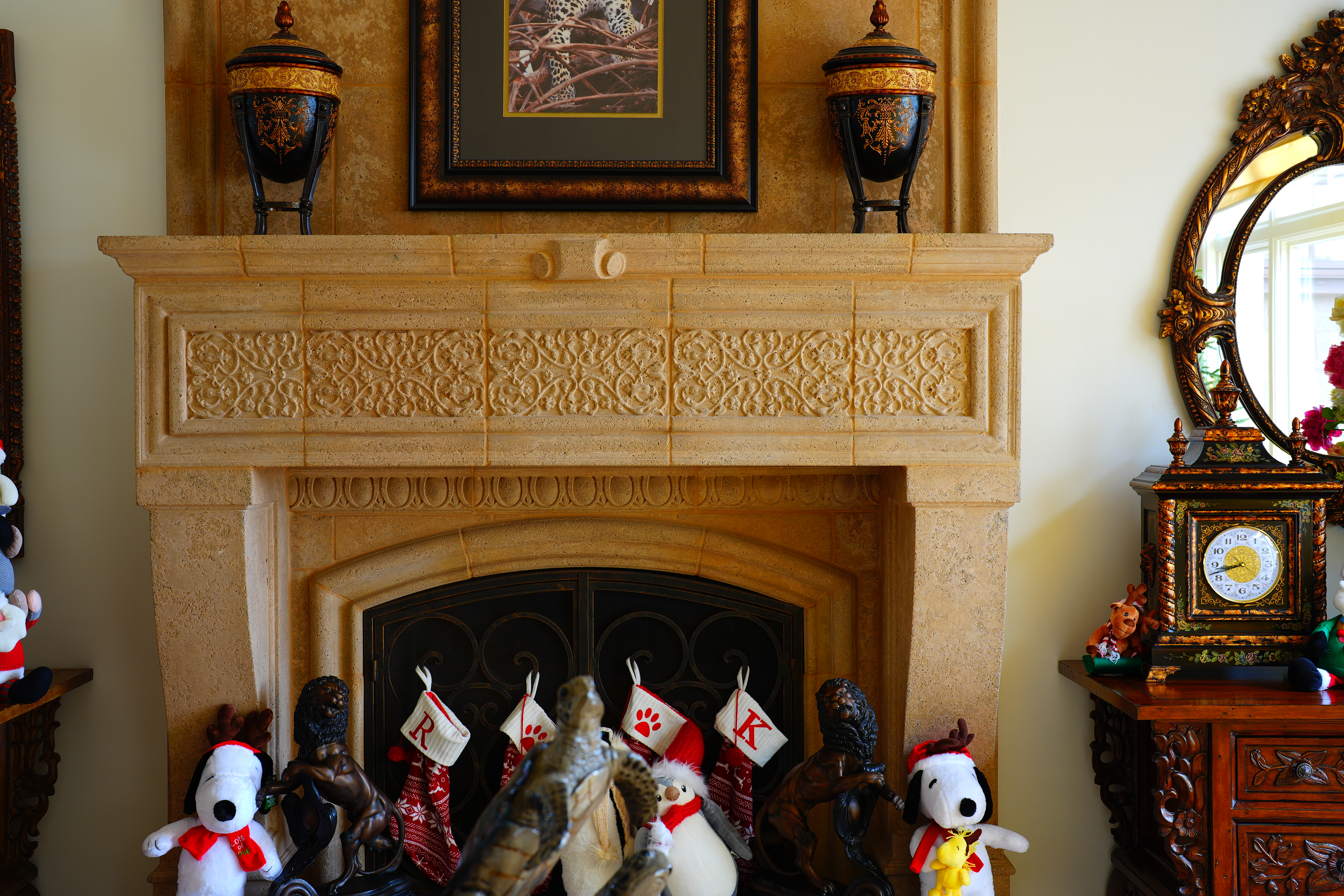
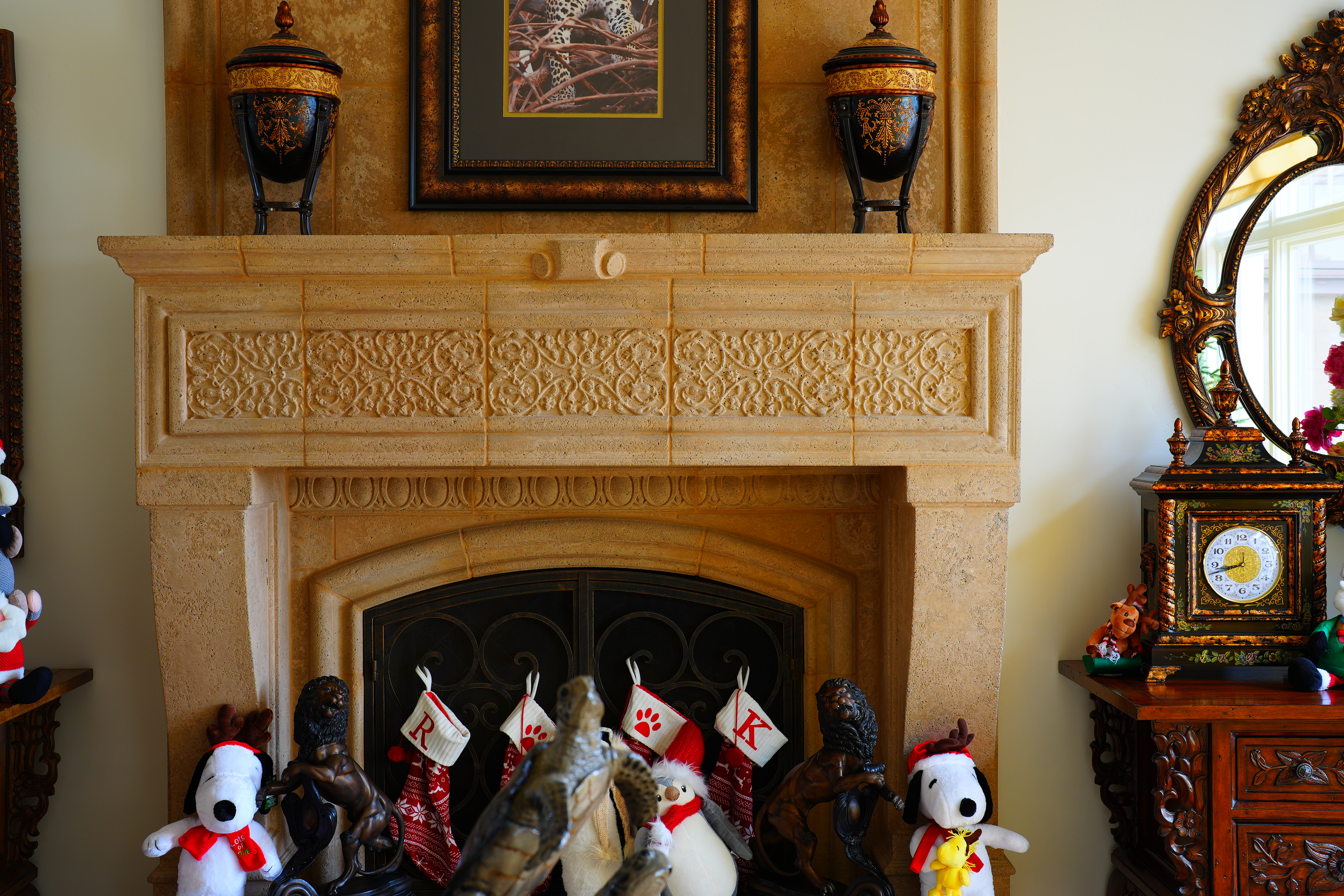
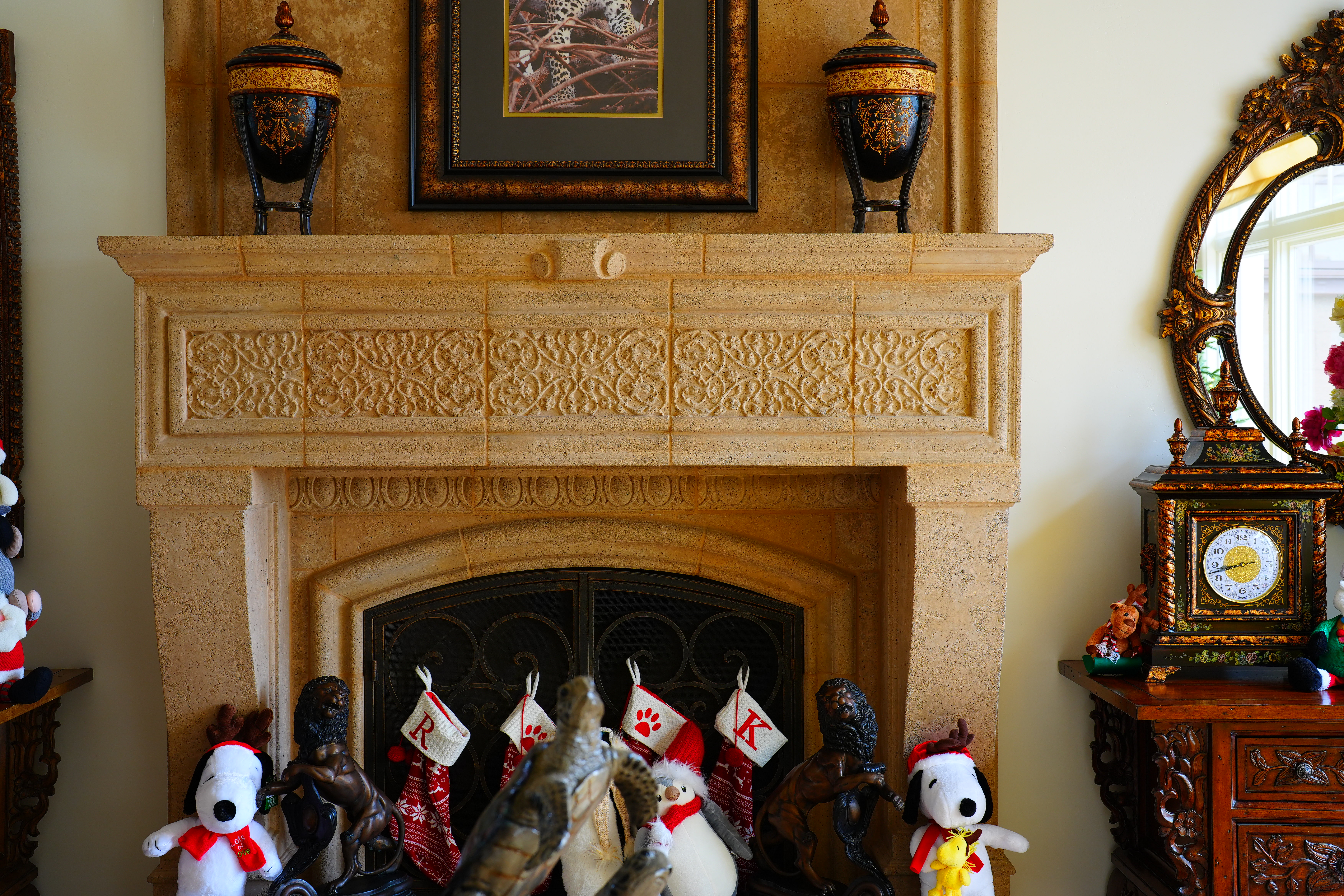
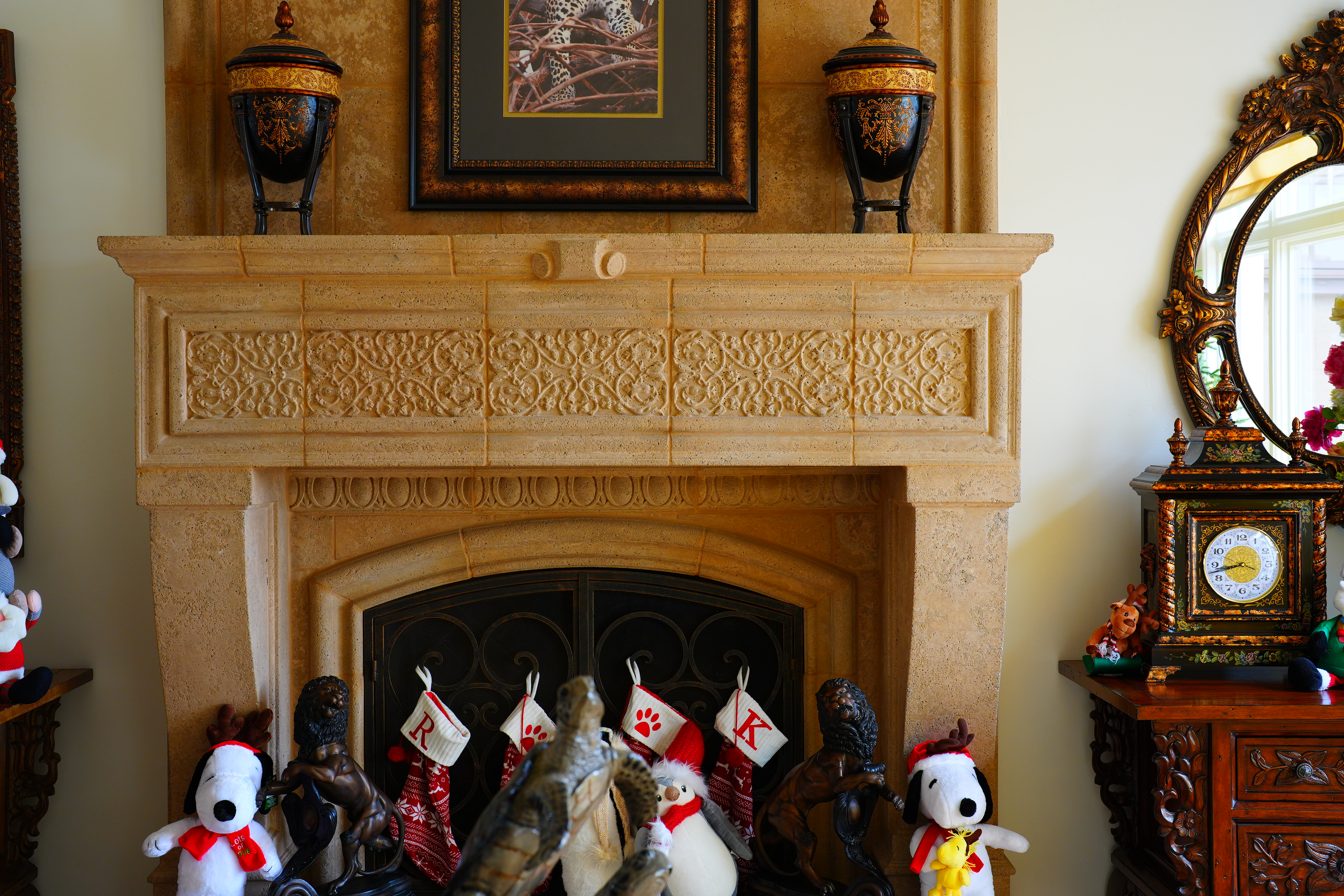
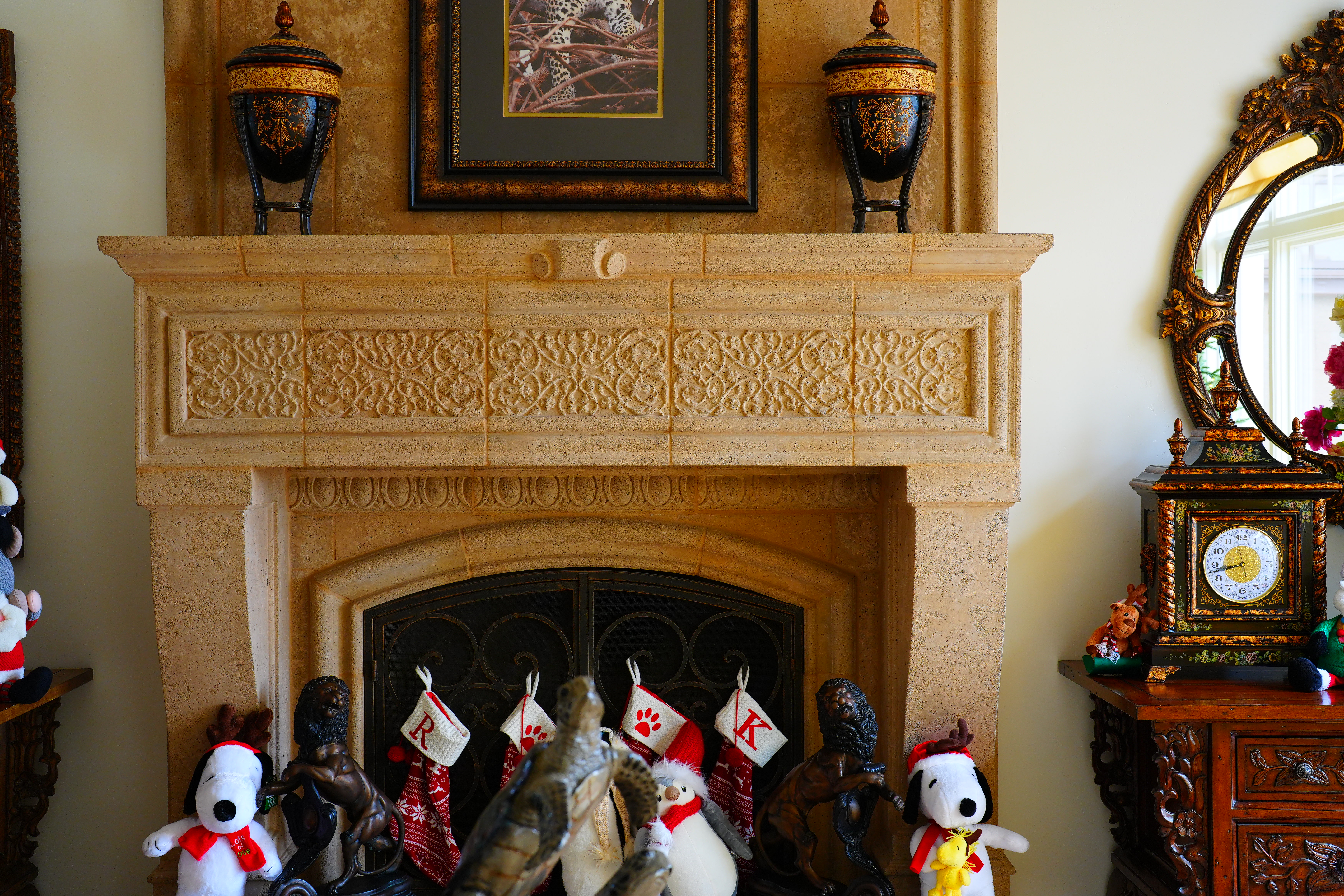
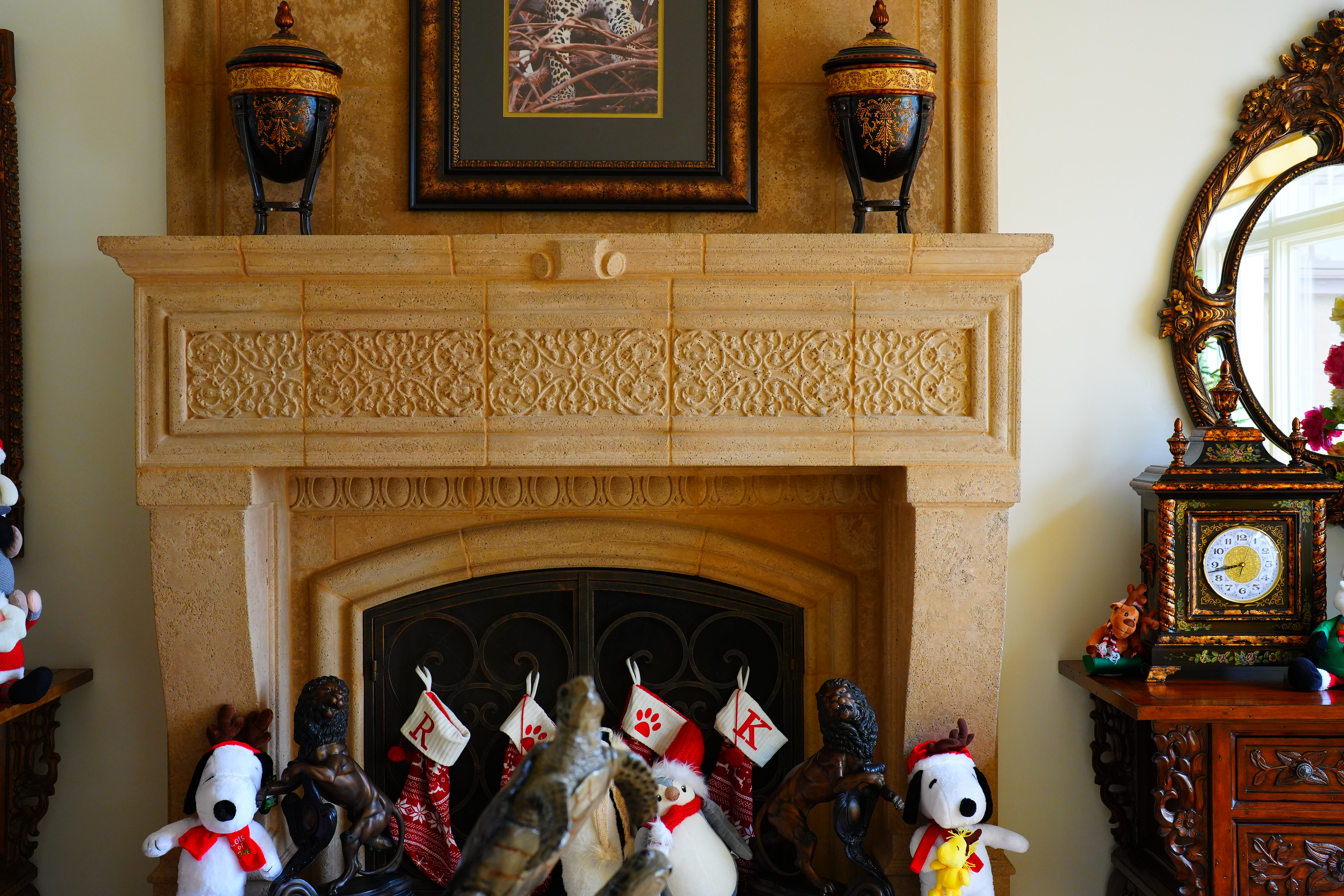
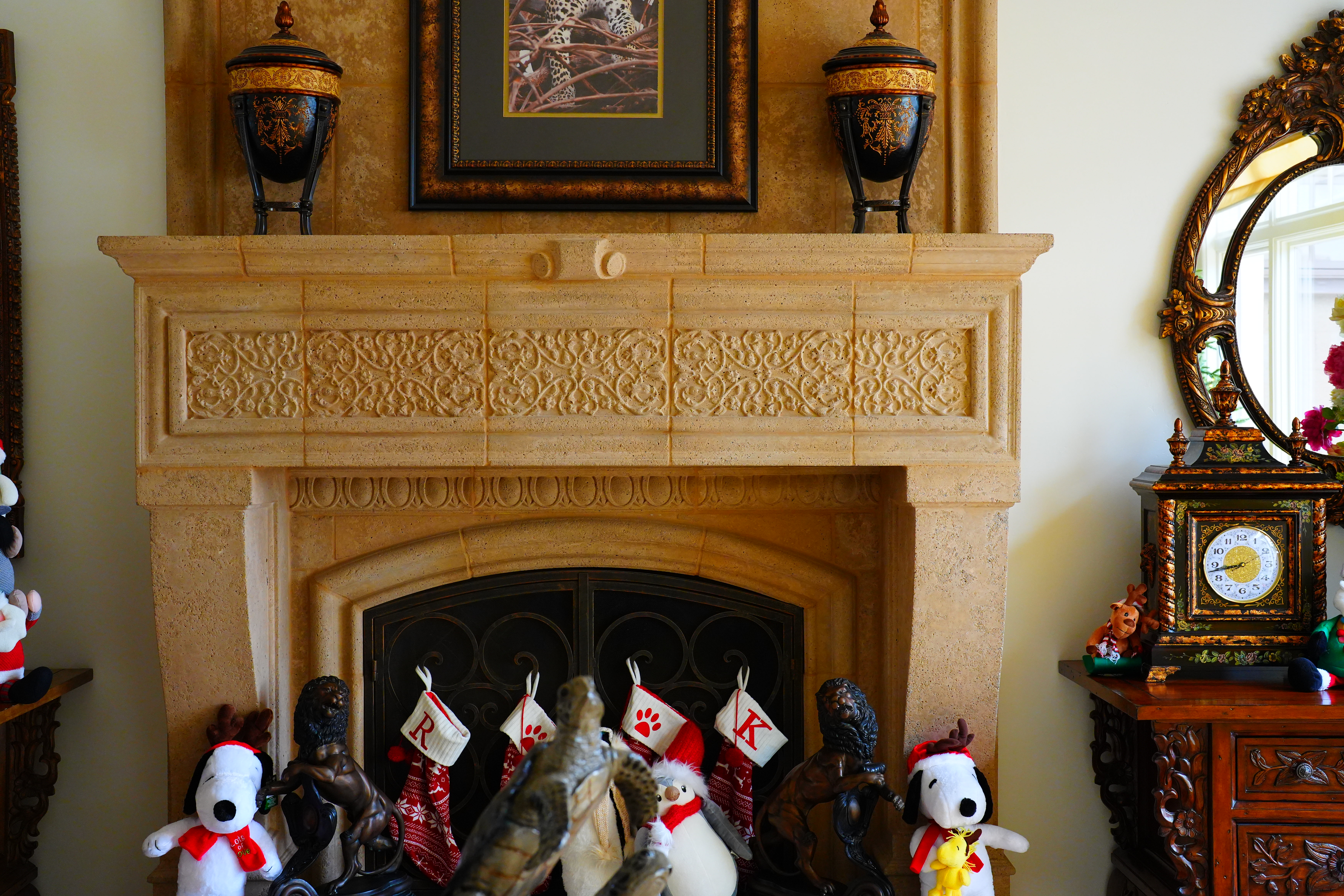
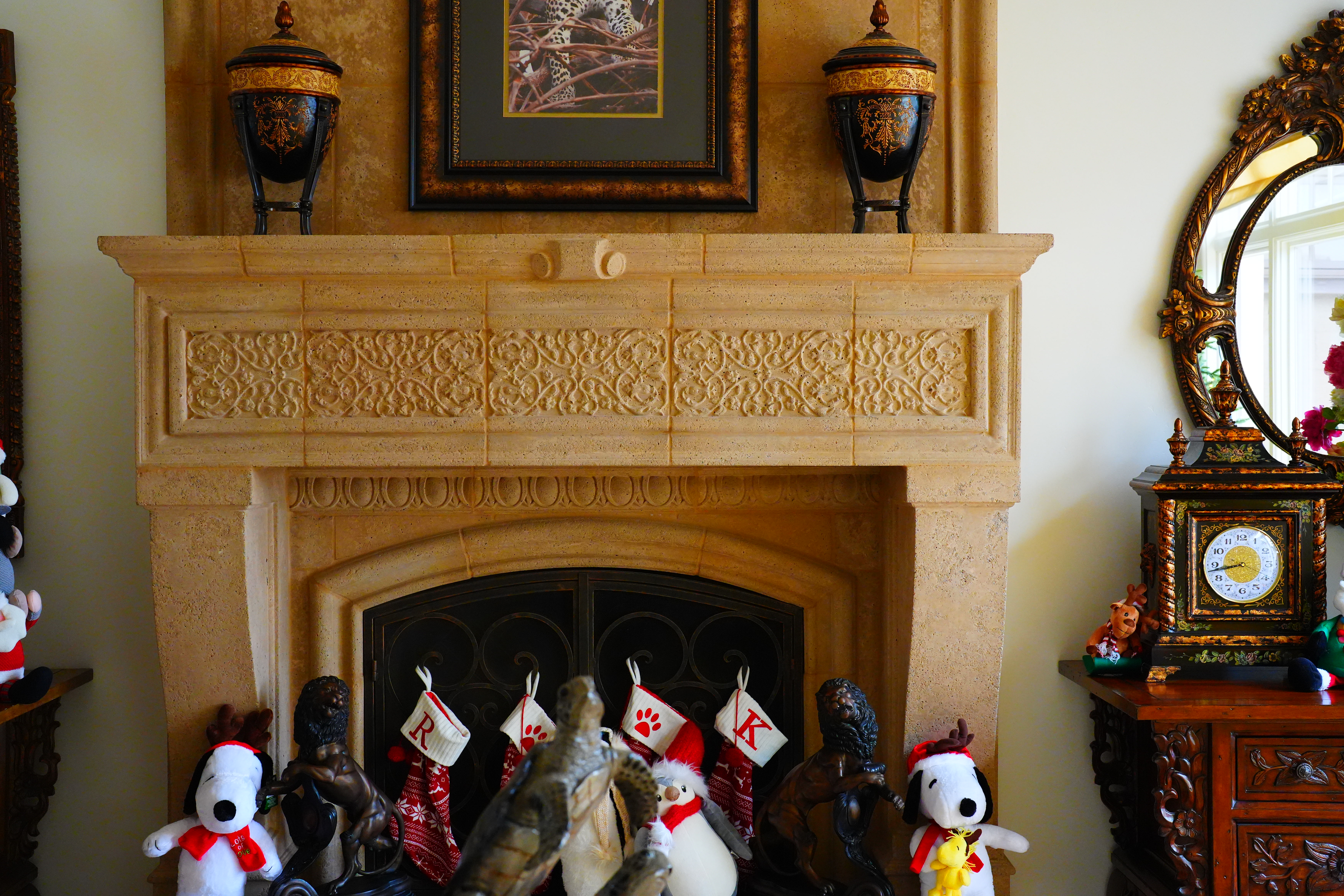
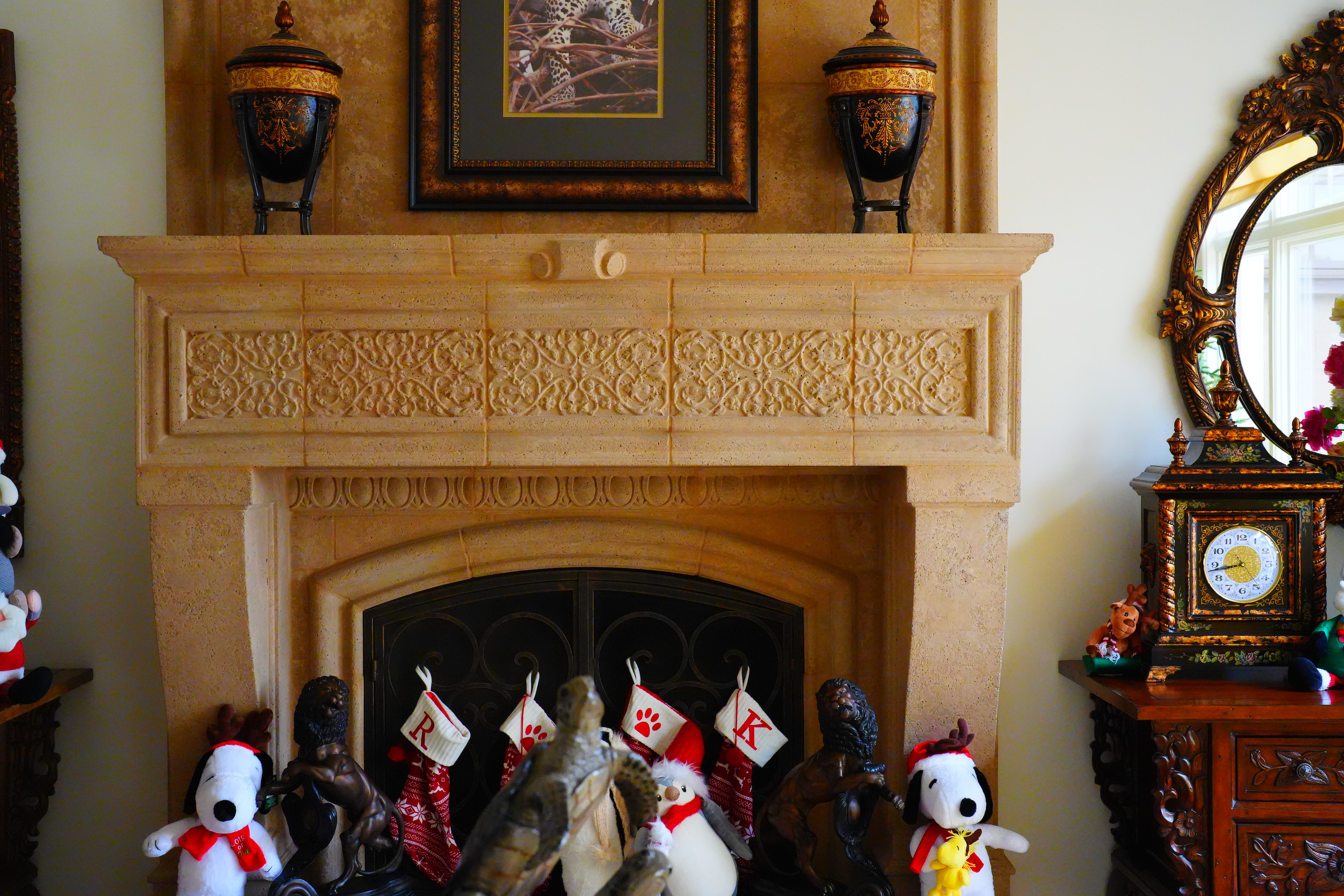
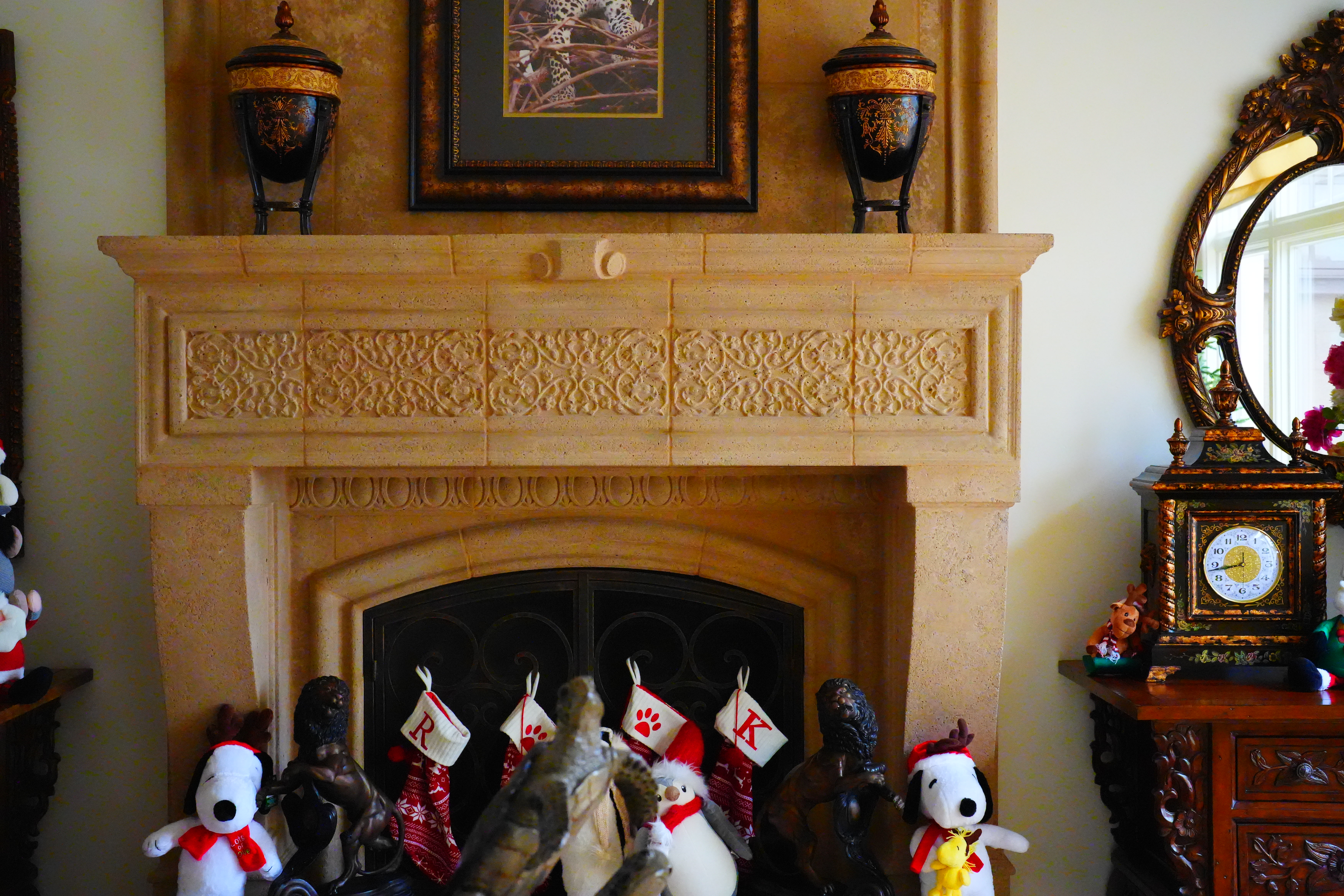
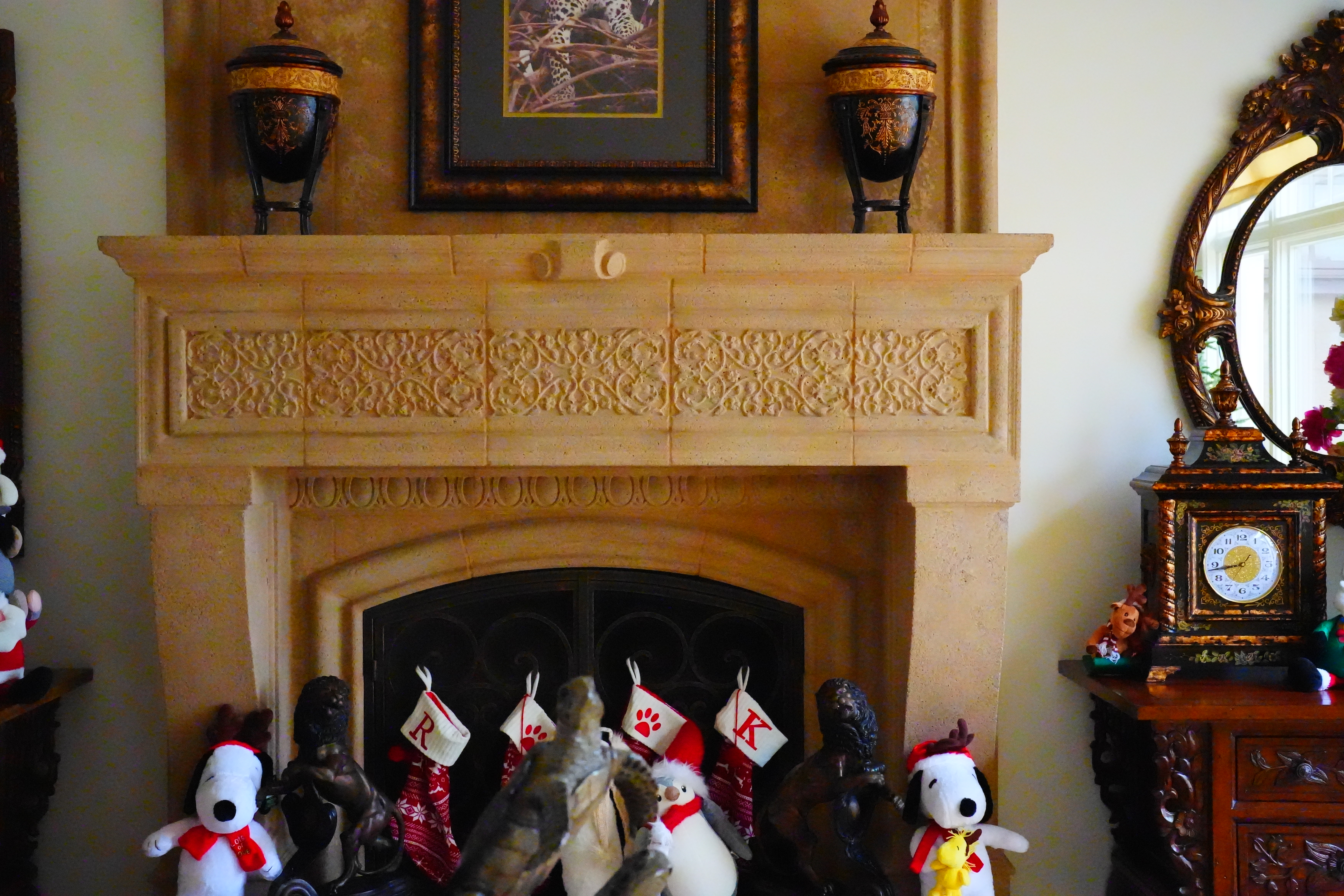
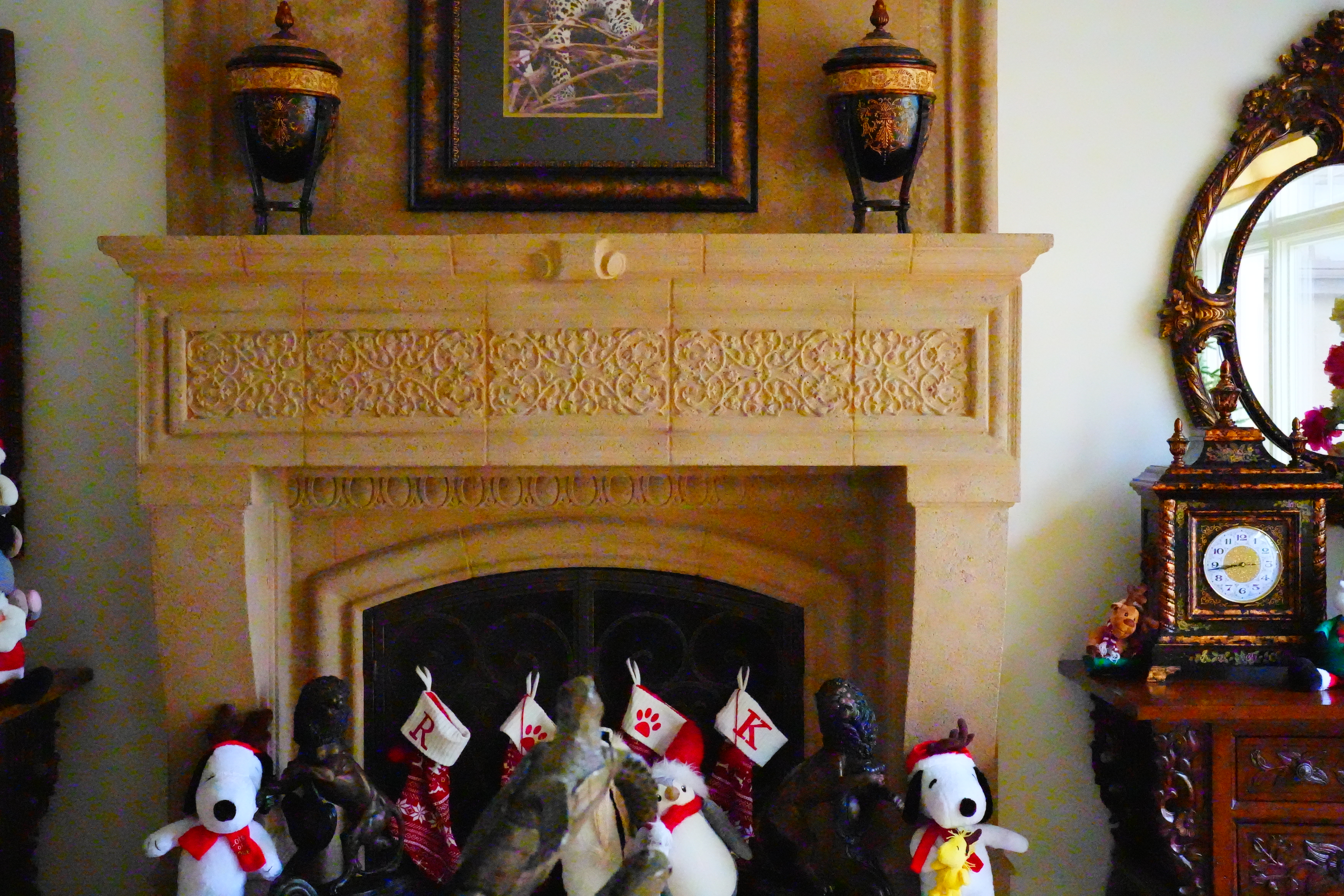
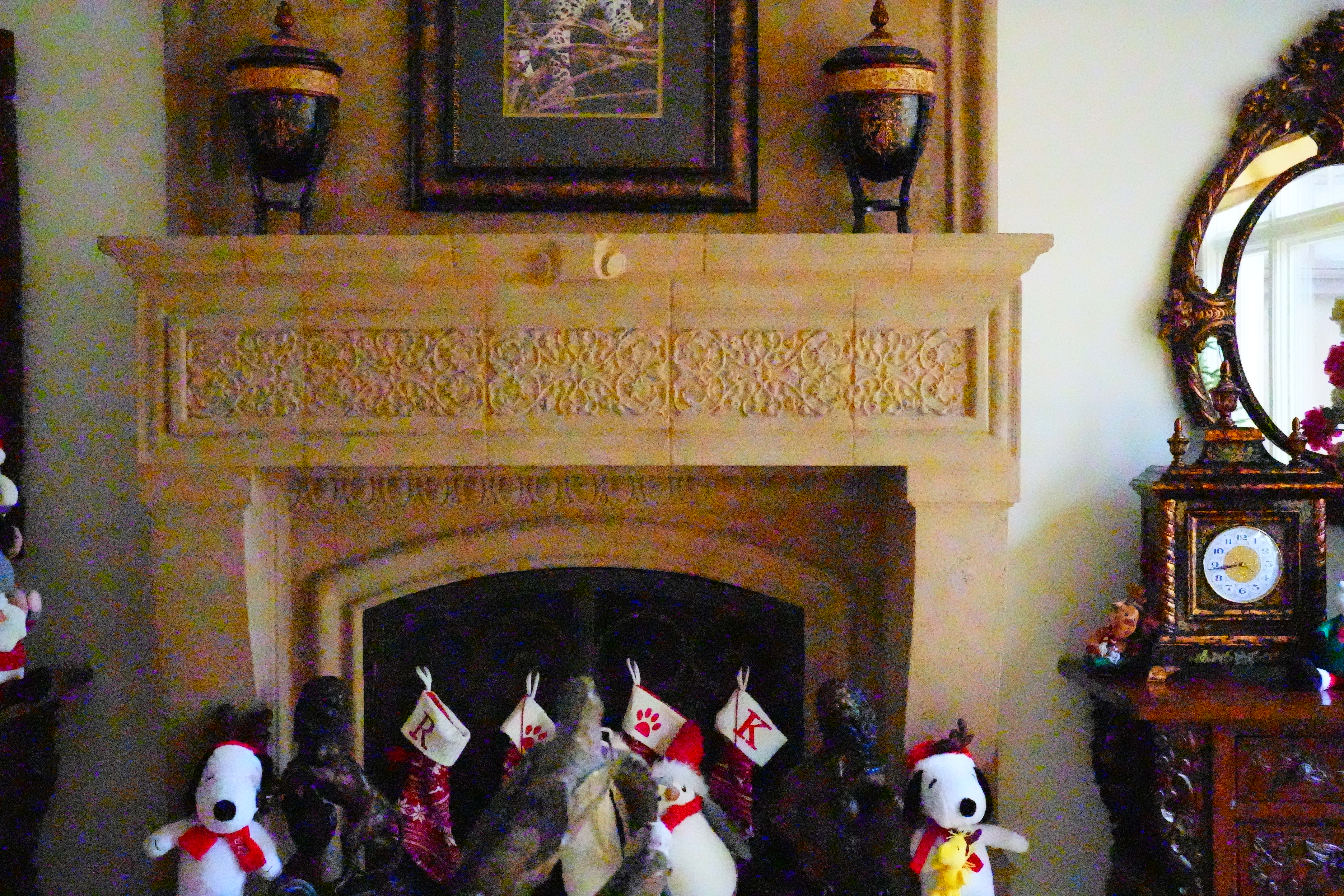
Click any for the camera-original © JPG files (about 7 MB each).
Fine Details: 600 × 450 Pixel Crops (11.7× magnification) High ISOs details dark detail performance top
Here are crops from the same images as above, showing the clock on the right.
What we see at the high magnifications below is that fine details go away as the ISO increases. This happens with all cameras (and our own eyes) and is an artifact of the noise reduction working harder as the ISO increases.
In the A7 V, the most detail is at ISO 50 (L) and ISO 100, and becomes softer at ISO 200 and at every higher ISO. This is normal and how noise reduction works in every camera.
ISO 50 (L) is a "pull" ISO, and thus has more highlight contrast. This usually increases perceived highlight detail, and can lead to clipped highlights if you have too much subject contrast, as in the case of the window reflection in the glass of the clock face.
By ISO 25,600 most of the detailed scrollwork between the clock numbers is gone.
By ISO 51,200 the minute marks are mostly gone.
By ISO 102,400 (H+1) almost all of the detail is gone from the clock face, leaving only the numbers and hour ticks.
At ISO 204,800 (H+2) even the numbers and hands are starting to disappear. There's almost no image left.
It's normal for details to go away at higher ISOs in all digital cameras.
If these 600 × 450 pixel crops are about 3" (8cm) wide on your screen, then the complete image printed at this same high magnification would be about 35 × 53" (3 × 4.4 feet or 0.9 × 1.3 meters).
If these 600 × 450 pixel crops are about 6" (15cm) wide on your screen, then the complete image printed at this same extreme magnification would be about 70 × 105" (6 × 9 feet or 1.8 × 2.7 meters).
If these 600 × 450 pixel crops are about 12" (30cm) wide on your screen, then the complete image printed at this same insane magnification would be about 140 × 210" (12 × 18 feet or 3.6 × 5.3 meters).
Click any for the camera-original © JPG files:
Click any for the camera-original © JPG files (about 7 MB each).
Dark-Area 600 × 450 Pixel Crops (11.7× magnification) High ISOs details dark detail performance top
Here are different crops from the same images as above, now showing the dark grillwork of the fireplace.
My Christmas decorations are blocking most of the light from getting inside the fireplace, so I expect there will less detail in the bricks compared to other camera tests without my decorations.
ISO 50 (L) is a "pull" ISO, and throws much more light into the shadows and, along with ISO 100, gives them the most detail.
Higher ISOs greatly reduce the details in the shadows, as we expect.
The bricks behind the grill go away by ISO 6,400.
At ISO 51,200 the big iron bars are almost all gone!
At ISO 102,400 (H+1) there are big color blobs (low spatial-frequency chroma noise).
At ISO 204,800 (H+2) there is not much left except noise.
Again, it's normal in all digital cameras for details to go away at higher ISOs.
If these 600 × 450 pixel crops are about 3" (8cm) wide on your screen, then the complete image printed at this same high magnification would be about 35 × 53" (3 × 4.4 feet or 0.9 × 1.3 meters).
If these 600 × 450 pixel crops are about 6" (15cm) wide on your screen, then the complete image printed at this same extreme magnification would be about 70 × 105" (6 × 9 feet or 1.8 × 2.7 meters).
If these 600 × 450 pixel crops are about 12" (30cm) wide on your screen, then the complete image printed at this same insane magnification would be about 140 × 210" (12 × 18 feet or 3.6 × 5.3 meters).
Click any for the camera-original © JPG files:
Click any for the camera-original © JPG files (about 7 MB each).
Mechanical Quality performance top
It's the usual from Sony; a mixture of hard metal and lots of plastic.
Metal
Strap lugs, top cover, hot shoe, far-right top rear dial (the one with the lock control in it), lens mount, back, card door pivot shaft, bottom and tripod socket.
Plastic
Top Mode dial, top rear control dial (the one without the lock), big center rear control dial, every button, every lever, every nubbin, card door, battery door and LCD housing.
Softer Plastic
Connector cover flaps.
Rubberized
Grips, eyecup.
Glass
Eyepiece optics, LCD cover.
Serial Number
Sticker glued into a recess in the bottom:
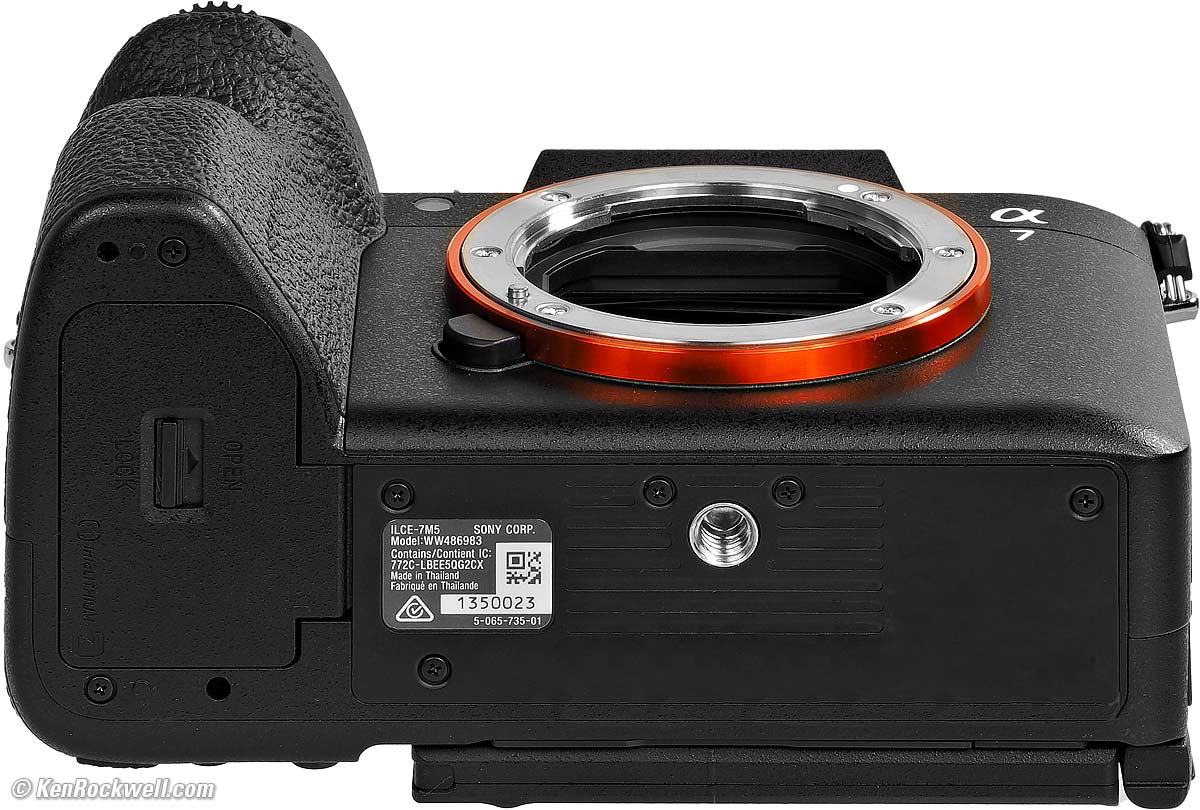
Noises When Shaken
Mild clicking with power ON.
Moderate clunking with power OFF, presumably because the sensor flops around when uncontrolled.
Made in
Production dumped to Thailand, not made domestically in Japan.
Playback performance top
Smart playback rotate: it will flip the image as you flip the camera while playing back, just like an iPhone. Beat that, Canon!
It easily shows all picture settings: sharpening amount and range, colors, etc.
Power & Battery performance top
Battery life is typical for modern mirrorless cameras, which even more so than a car's fuel economy, depends mostly on how you use it.
Like most mirrorless, battery life tends to be a constant number hours of operation rather than how many snaps you take. You get so much time regardless of what you do, so the more pictures you take in that time rather than playing back or setting things, the more pictures you get per charge.
The in-finder battery icon oddly shows only a percentage number. There is no bar-graph indication; just a number.
It charges at up to 14 W (1.56A at 9V) via USB-C, ramping down to 290 mW when full.
Clock Accuracy performance top
Every sample is different, but mine loses about 13 seconds per month, which is typical.
This matters when you shoot multiple cameras (or this camera and an iPhone) and then sort all the images based on capture time to compare the similar views of each scene. The more accurate a camera's internal clock, the less often you need to reset it.
Compared top
Sample Images Intro New Good Bad Missing
Lenses & Adapters Specifications Accessories
Performance Compared User's Guide Recommendations
I'd get mine at B&H, at Crutchfield, at Adorama or at Amazon, or get it as a kit with the new FE 28-70mm OSS II at B&H, at Crutchfield or at Adorama, or get it used if you know How to Win at eBay, or get it used at KEH.
All Sony Cameras Compared
Nikon vs Canon vs Sony Full Frame Mirrorless Compared
Menu Systems Compared
Sony A7 V (IV) User's Guide top
Sample Images Intro New Good Bad Missing
Lenses & Adapters Specifications Accessories
Performance Compared User's Guide Recommendations
I'd get mine at B&H, at Crutchfield, at Adorama or at Amazon, or get it as a kit with the new FE 28-70mm OSS II at B&H, at Crutchfield or at Adorama, or get it used if you know How to Win at eBay, or get it used at KEH.
See my separate Sony A7 IV User's Guide, which should be very similar to the A7 V.
Recommendations top
Sample Images Intro New Good Bad Missing
Lenses & Adapters Specifications Accessories
Performance Compared User's Guide Recommendations
I'd get mine at B&H, at Crutchfield, at Adorama or at Amazon, or get it as a kit with the new FE 28-70mm OSS II at B&H, at Crutchfield or at Adorama, or get it used if you know How to Win at eBay, or get it used at KEH.
If you're already married to the Sony system, the A7 V is a magnificent camera — but is it worth more to you than the perfectly good A7 IV? That depends on you.
The much older A7 III was wildly popular in 2018 because it was as good as previous Sony cameras that cost twice as much. The A7 III was a no-brainer back then, but it's not 2018 anymore. Nikon and Canon introduced their first full-frame mirrorless cameras seven months after the A7 III, with wildly better ergonomics and menu systems, and ever since 2018 I haven't thought much of Sony cameras, with their crummy ergonomics and less than glorious color rendition — at least to my taste.
Today in 2026 I wouldn't buy into the Sony system unless I was already in it. Personally I prefer the Canon mirrorless system, but if you're already fully bought into Sony, by all means the A7 V is awesome. We all have different needs, but I'd much rather have the far superior 40 FPS Canon EOS R6 II for only $1,999, or even the newest EOS R6 III for just $2,799. I prefer the EOS R6 II over the A7 V even if the R6 II cost more, but we're all different.
Obviously loads of people love their Sony cameras.
Where to get yours
I'd get mine at B&H, at Crutchfield, at Adorama or at Amazon, or get it as a kit with the new FE 28-70mm OSS II at B&H, at Crutchfield or at Adorama, or get it used if you know How to Win at eBay, or get it used at KEH.
This 100% all-content, junk-free website's biggest source of support is when you use those or any of these links to my personally approved sources I've used myself for way over 100 combined years when you get anything, regardless of the country in which you live — but I receive nothing for my efforts if you get it elsewhere. Sony does not seal its boxes in any way, so never buy at retail or any other source not on my personally approved list since you'll have no way of knowing if you're missing accessories, getting a defective, damaged, returned, dropped, incomplete, gray-market, store demo or used camera — and all of my personally approved sources allow for 100% cash-back returns for at least 30 days if you don't love your new camera. I've used many of these sources since the 1970s because I can try it in my own hands and return it if I don't love it, and because they ship from secure remote warehouses where no one gets to touch your new camera before you do. Buy only from the approved sources I've used myself for decades for the best prices, service, return policies and selection.
Thanks for helping me help you!
Ken Rockwell.
© Ken Rockwell. All rights reserved. Tous droits réservés. Alle Rechte vorbehalten. Alla rättigheter förbehållna. Toate drepturile rezervate. Niciun vampir nu a fost implicat în crearea acestei lucrări. Omnia jura reservata. Ken Rockwell® is a registered trademark.
Help Me Help You
I support my growing family through this website, as crazy as it might seem.
The biggest help is when you use any of these links when you get anything. It costs you nothing, and is this site's, and thus my family's, biggest source of support. These places always have the best prices and service, which is why I've used them since before this website existed. I recommend them all personally.
If you find this page as helpful as a book you might have had to buy or a workshop you may have had to take, feel free to help me continue helping everyone.
If you've gotten your gear through one of my links or helped otherwise, you're family. It's great people like you who allow me to keep adding to this site full-time. Thanks!
If you haven't helped yet, please do, and consider helping me with a gift of $5.00.
As this page is copyrighted and formally registered, it is unlawful to make copies, especially in the form of printouts for personal use. If you wish to make a printout for personal use, you are granted one-time permission only if you PayPal me $5.00 per printout or part thereof. Thank you!
Thanks for reading!
Ken Rockwell.